Day 1
- Monday 11th January 2027 - London To Luxor
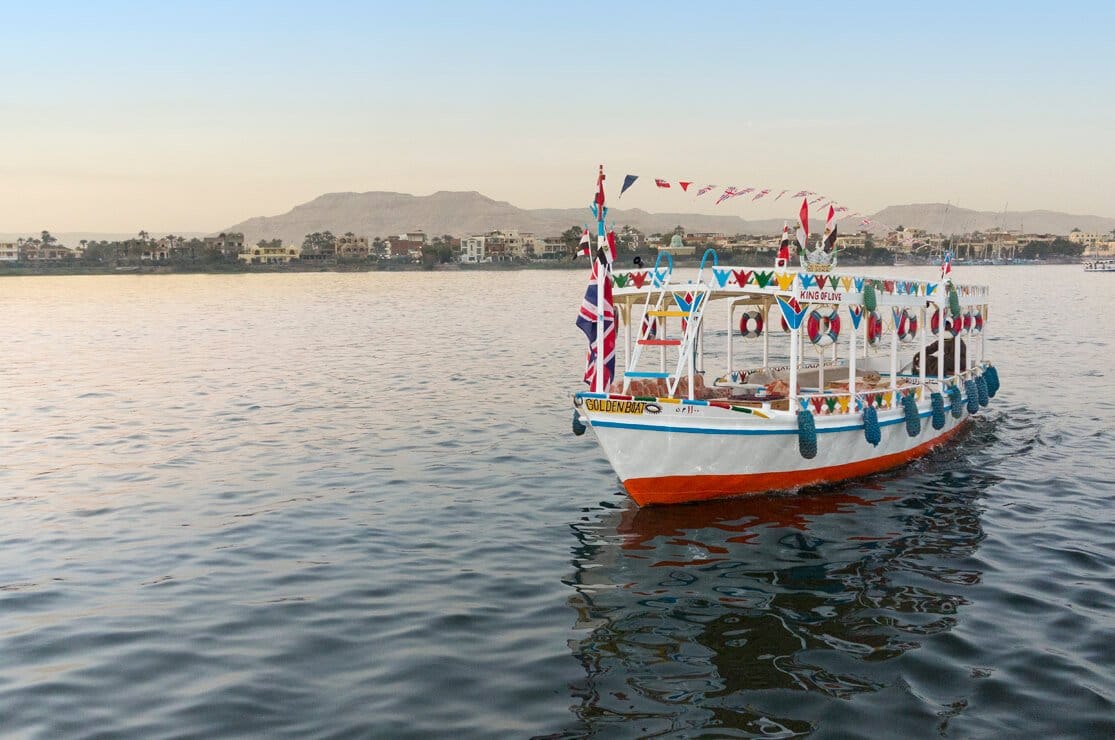
We fly from London to Luxor and transfer to The Hilton Luxor Resort and Spa. Situated on the east bank this hotel set at the water’s edge has glorious views of the Nile and the west bank. We check in for four nights on a bed and breakfast basis. Upgrades available to Nile View rooms – call for prices.
Day 2
- Tuesday 12th January - The Ancient West Bank
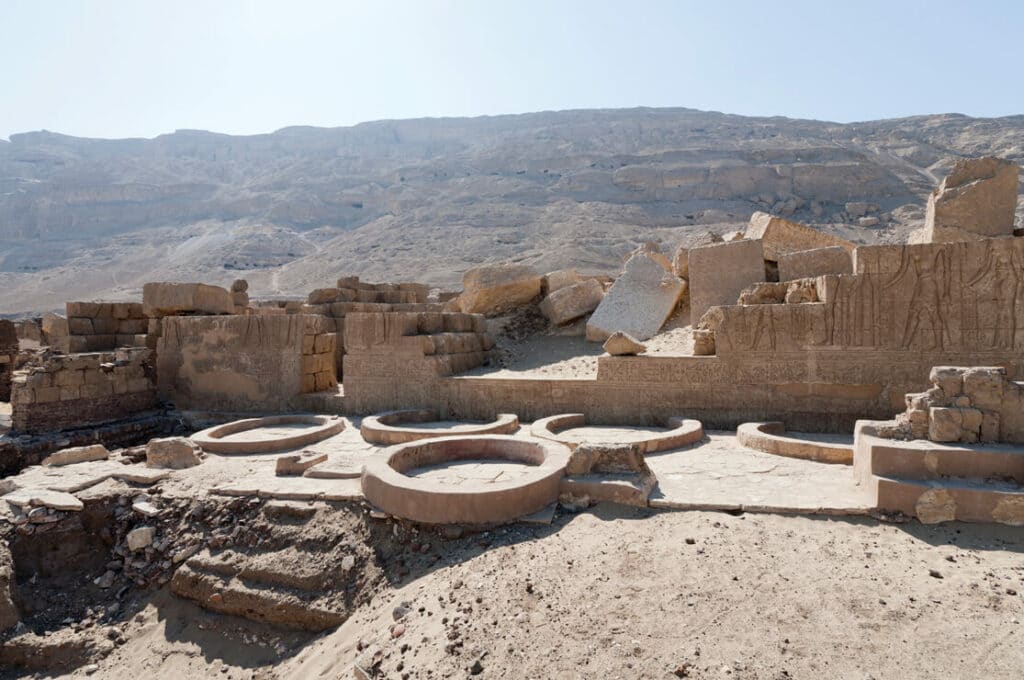
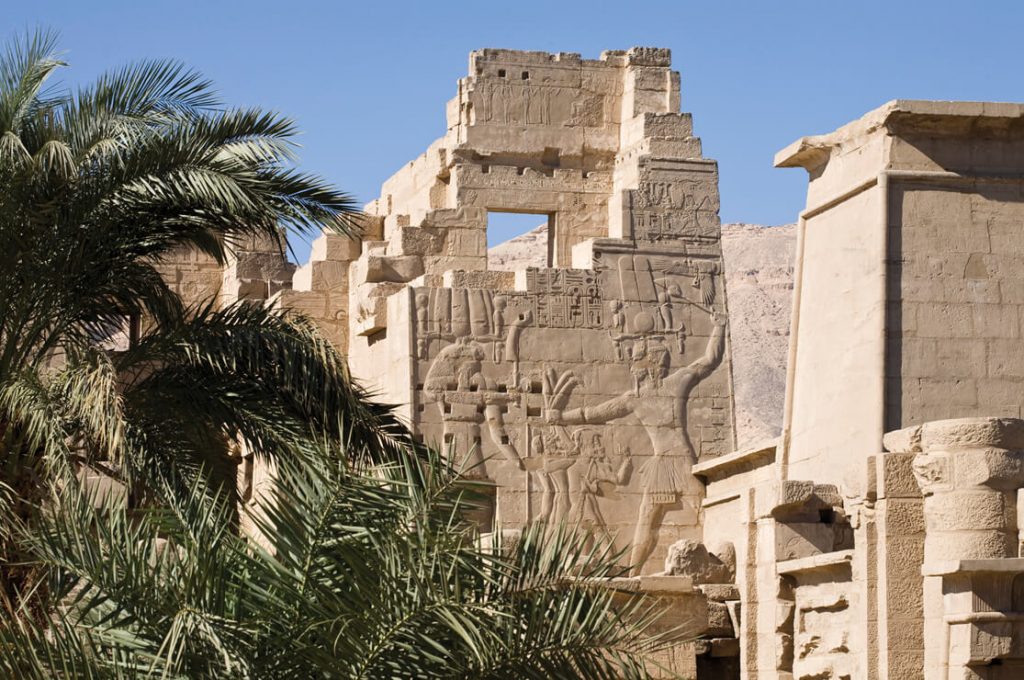
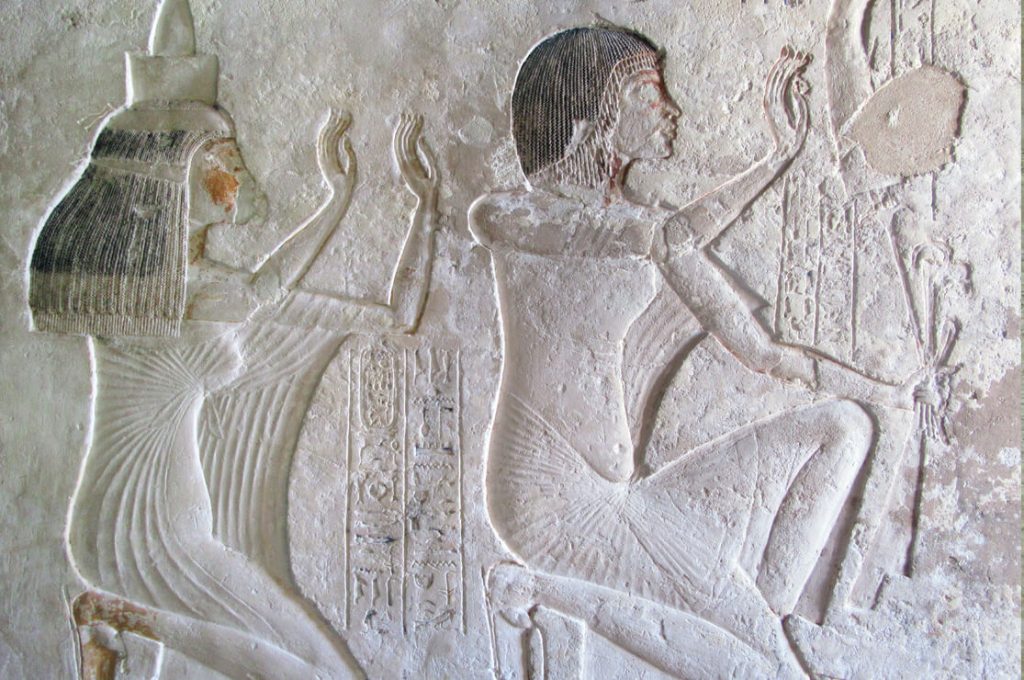
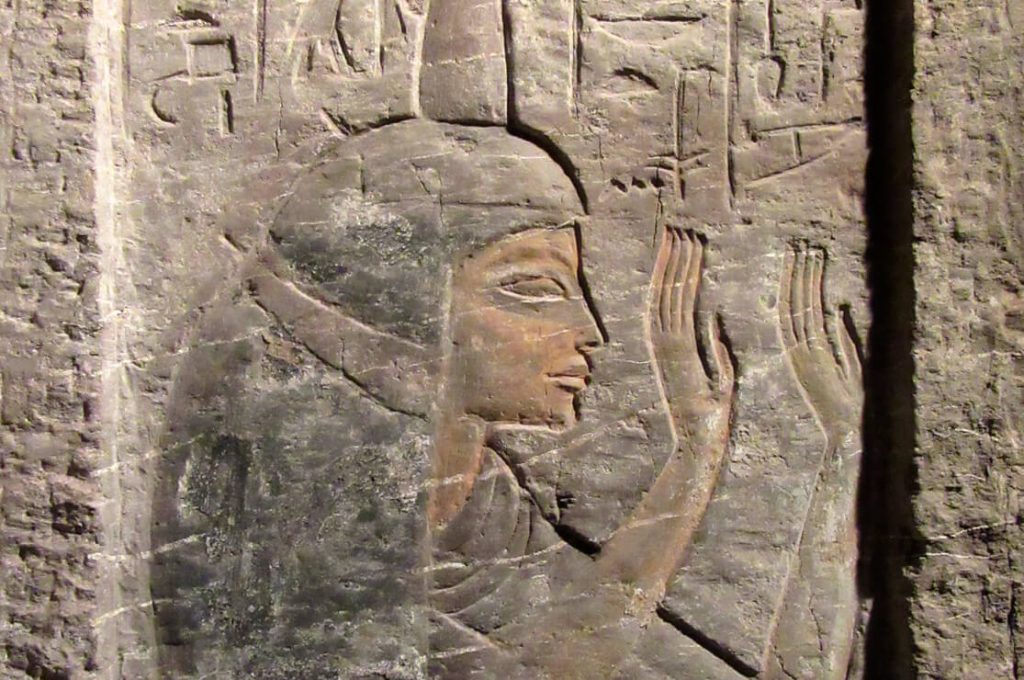
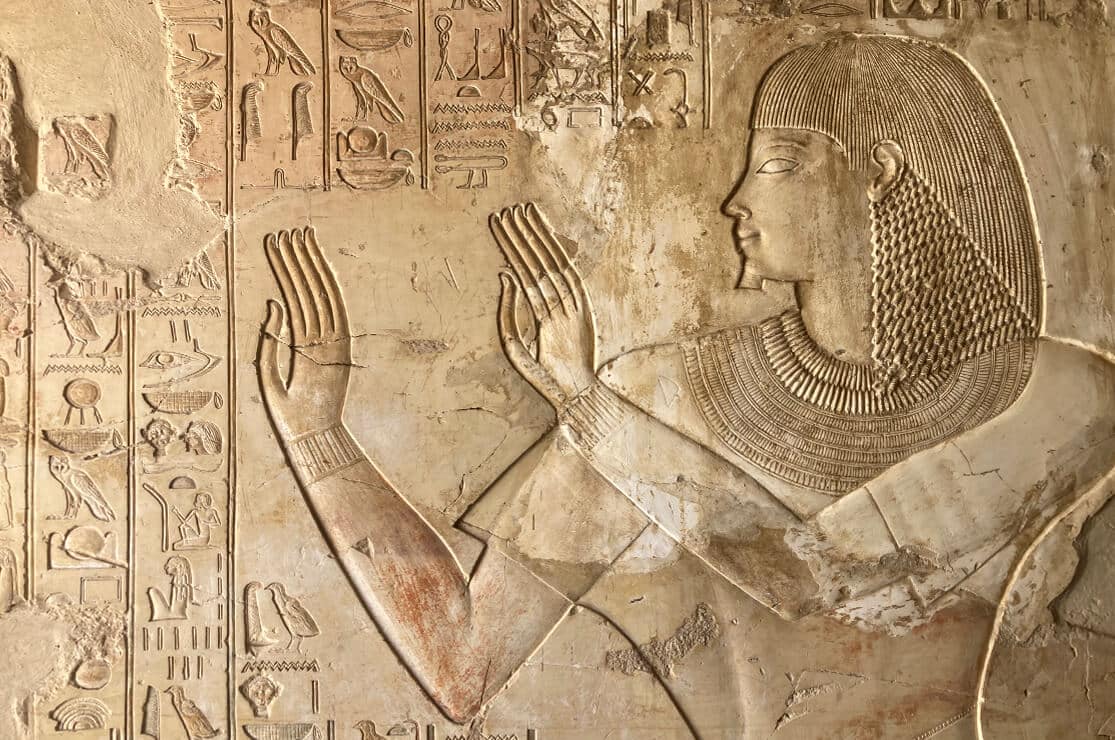
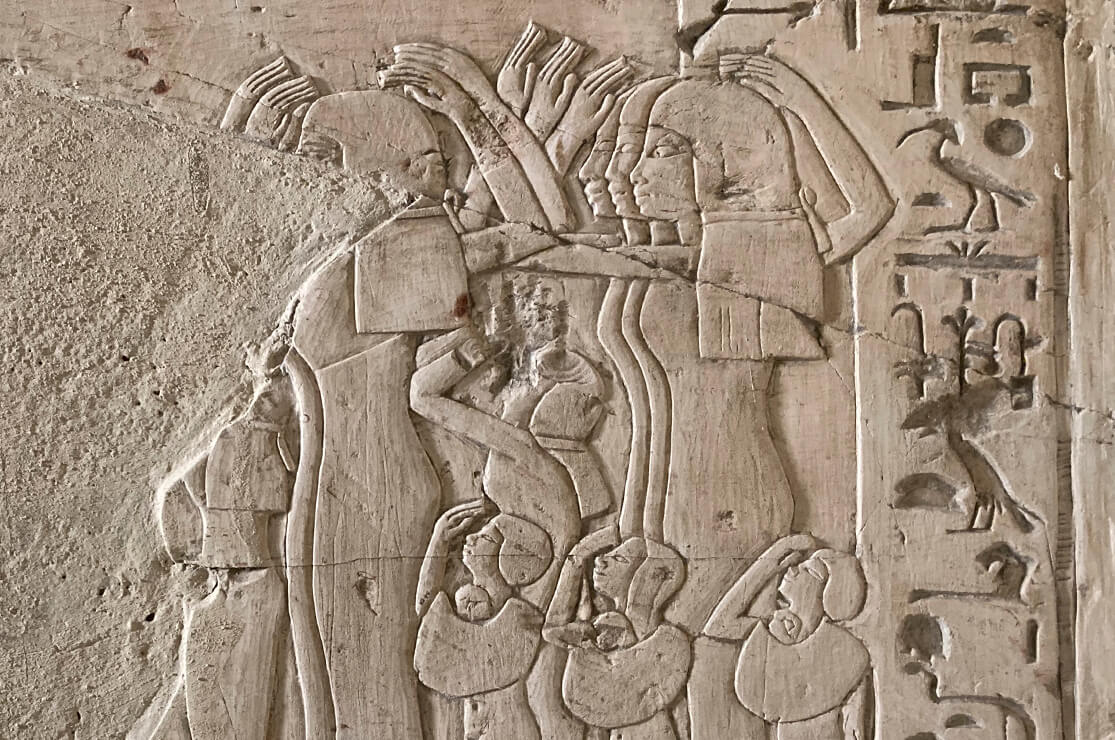
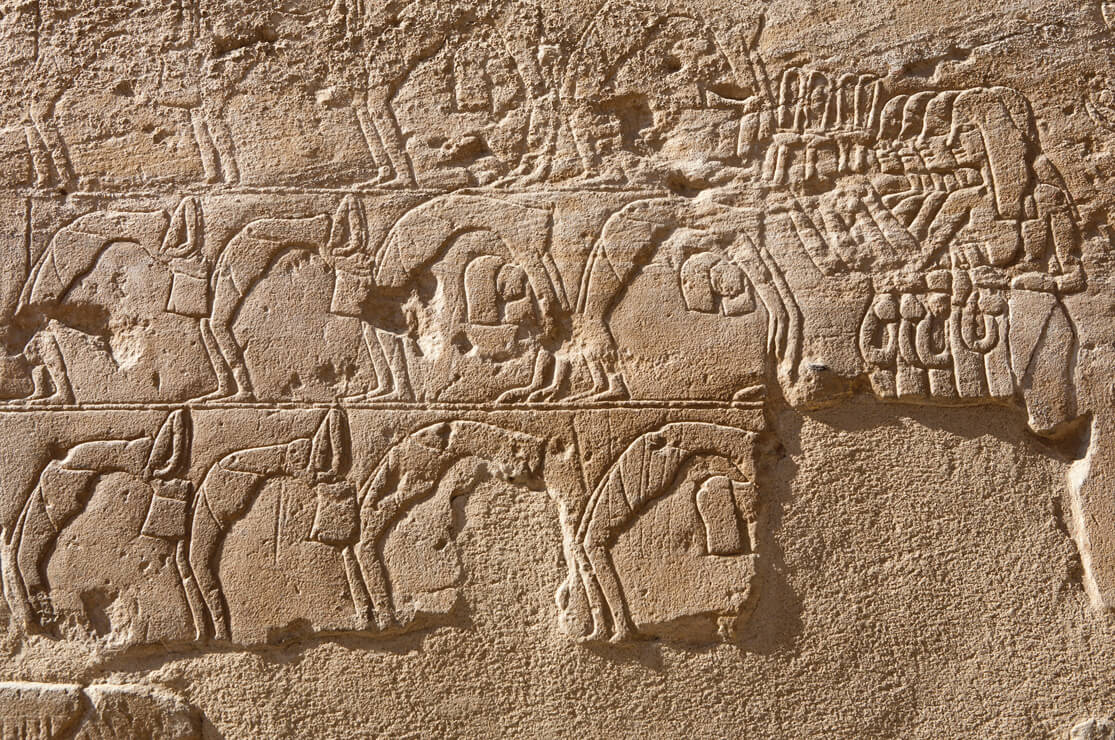
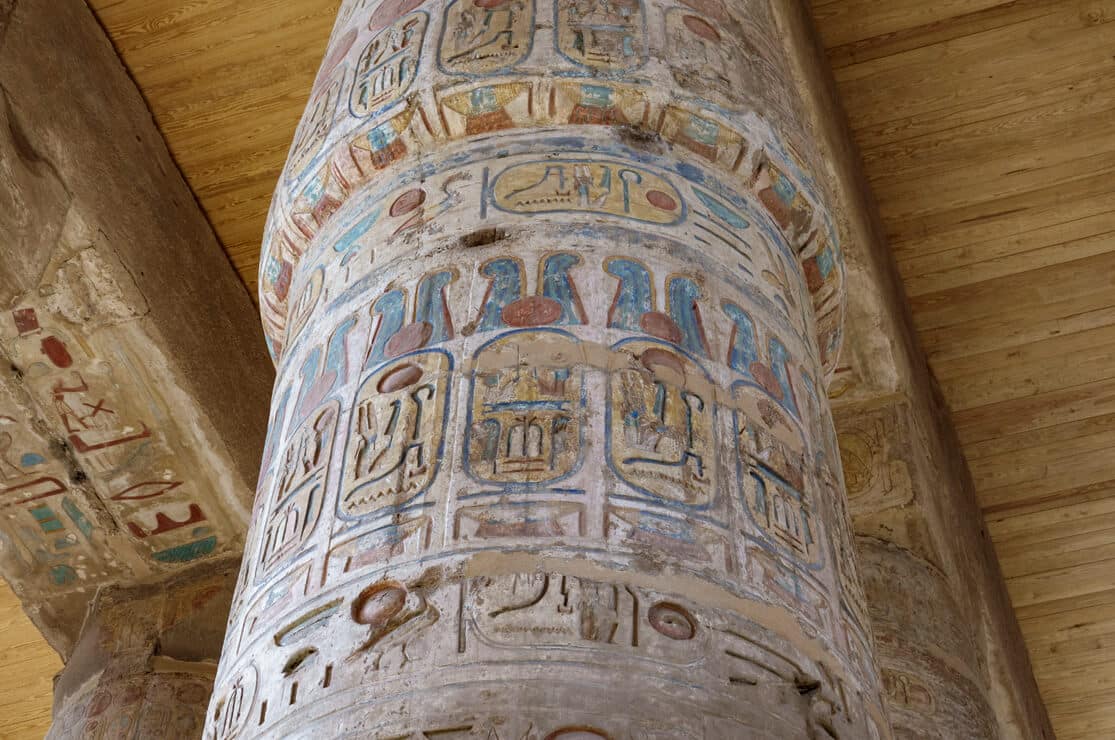
A relaxed morning with time for an informal meeting and a lecture from Bill before we cross the Nile to the West Bank of Thebes. We have planned lunch at our local restaurant before we set out for the Nobles Tombs. We enter the tomb of vizier and governor of Thebes, Ramose. Here we see beautiful classical and Amarna-style reliefs and pay special attention to the funerary scenes. Time also to enter the tombs of Userhat and Khaemhat a royal scribe from the reign of Amenhotep III. Next to Medinet Habu, the vast Mortuary Temple of Ramesses III. (BL)
Day 3
- Wednesday 13th January - The Valley of The Kings
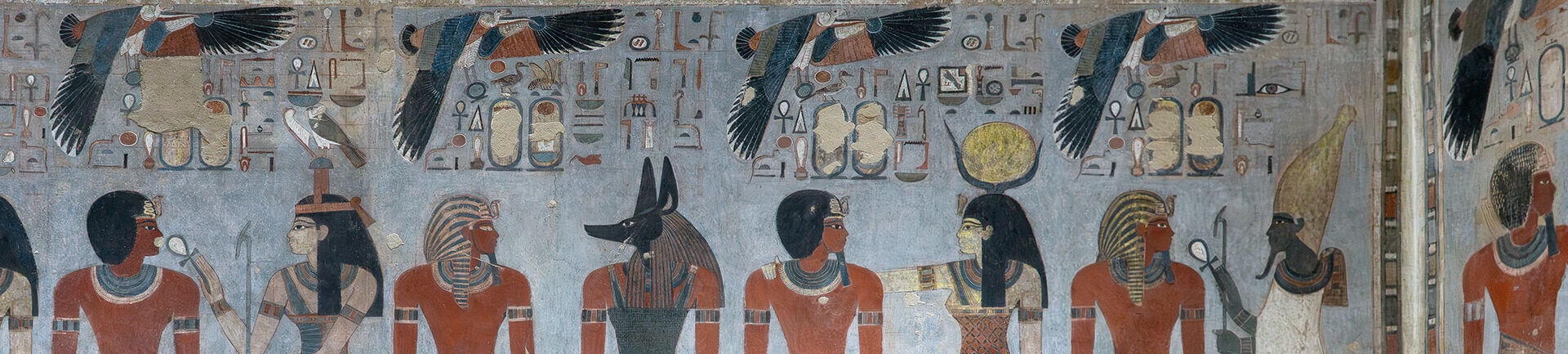
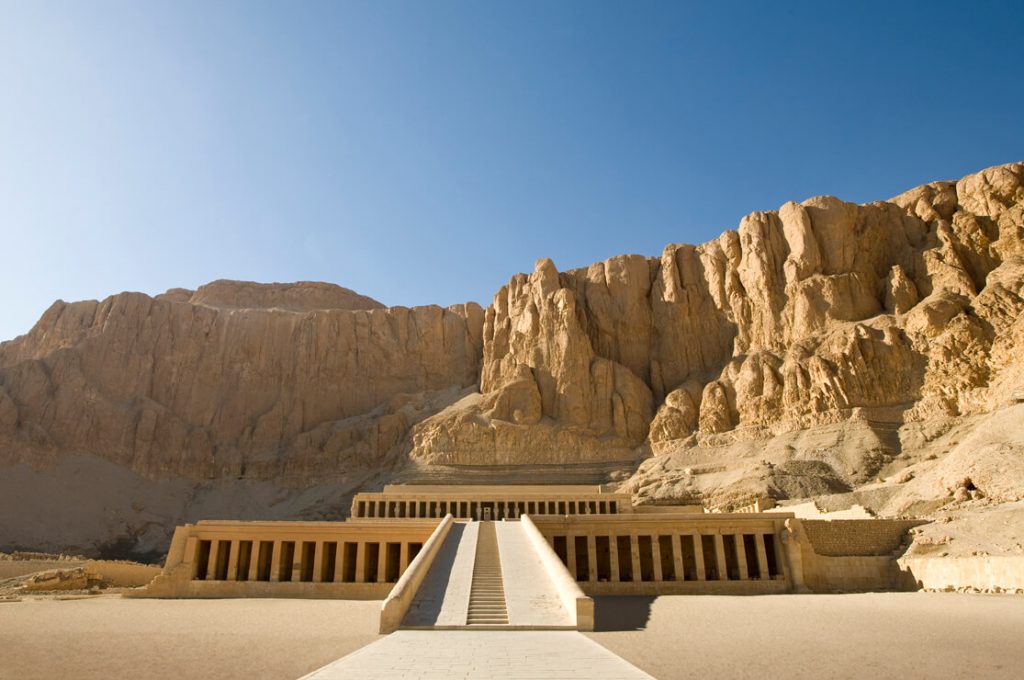
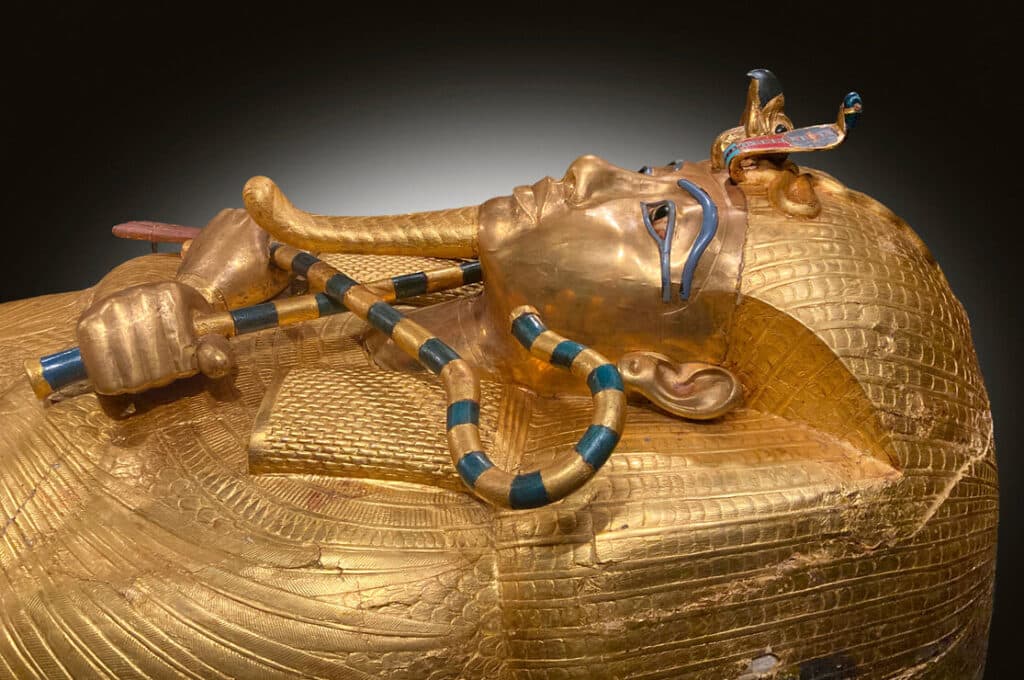
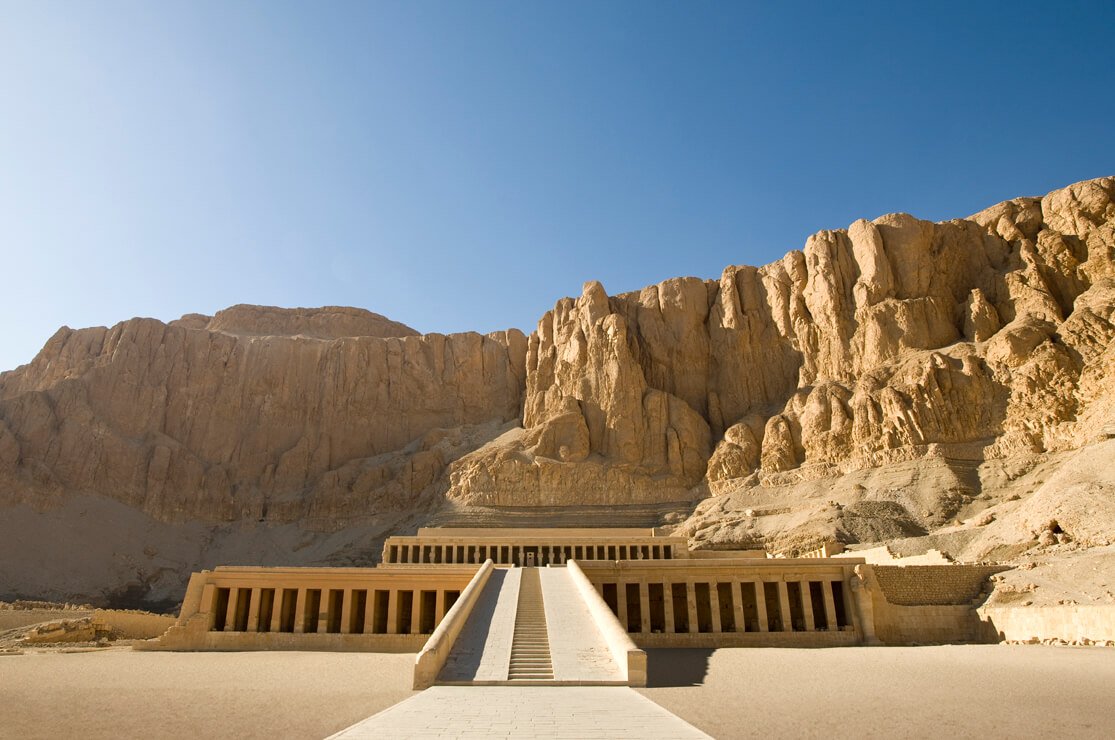
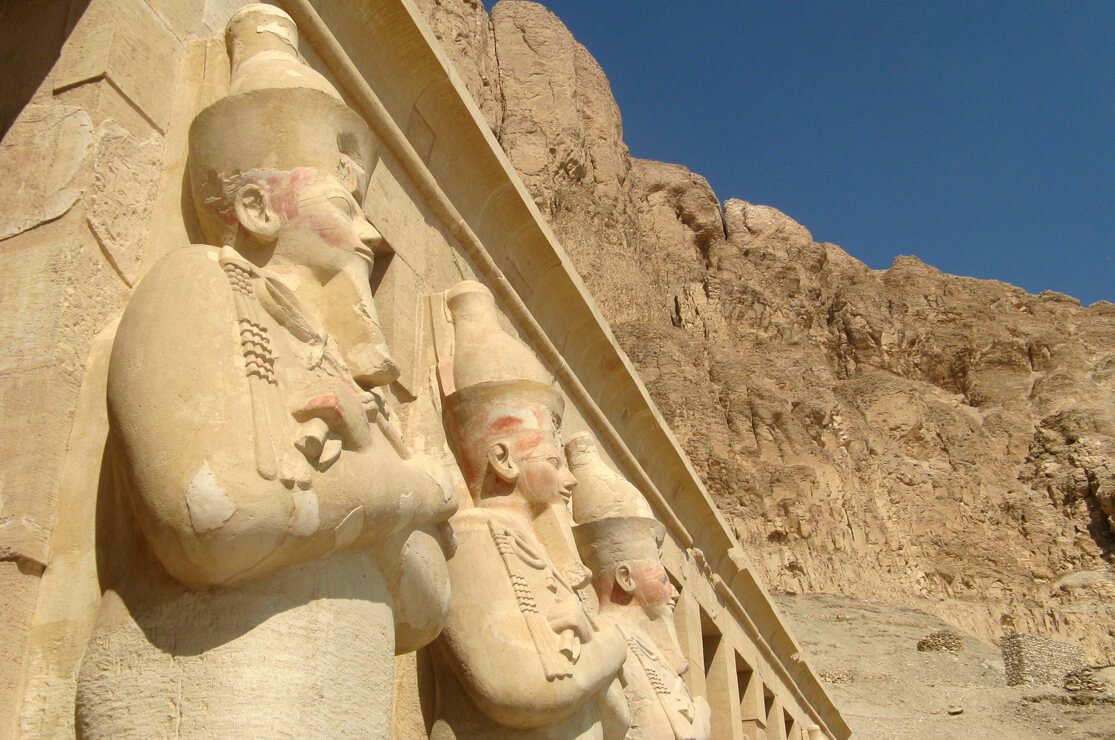
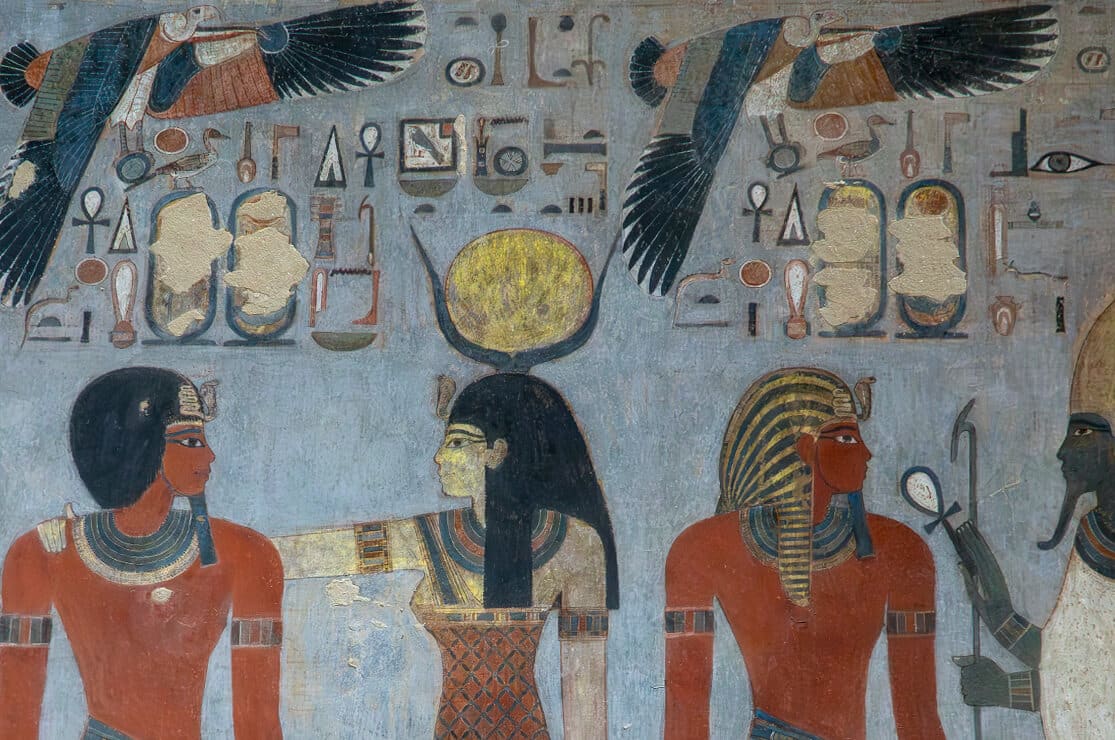
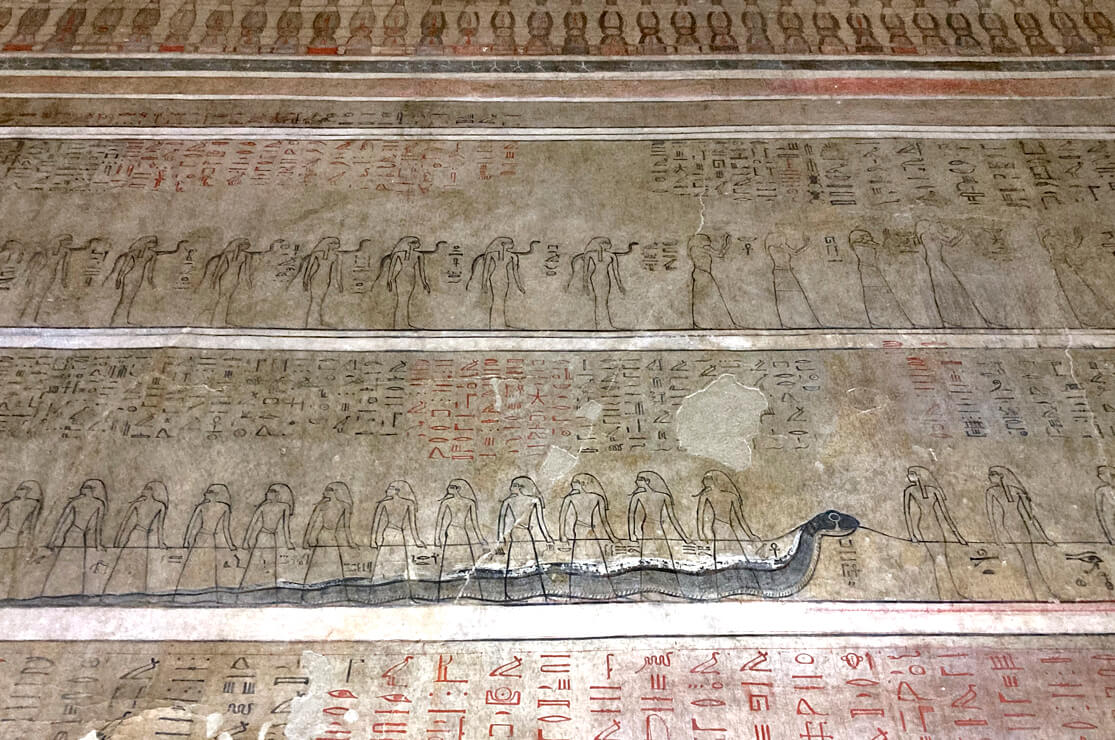
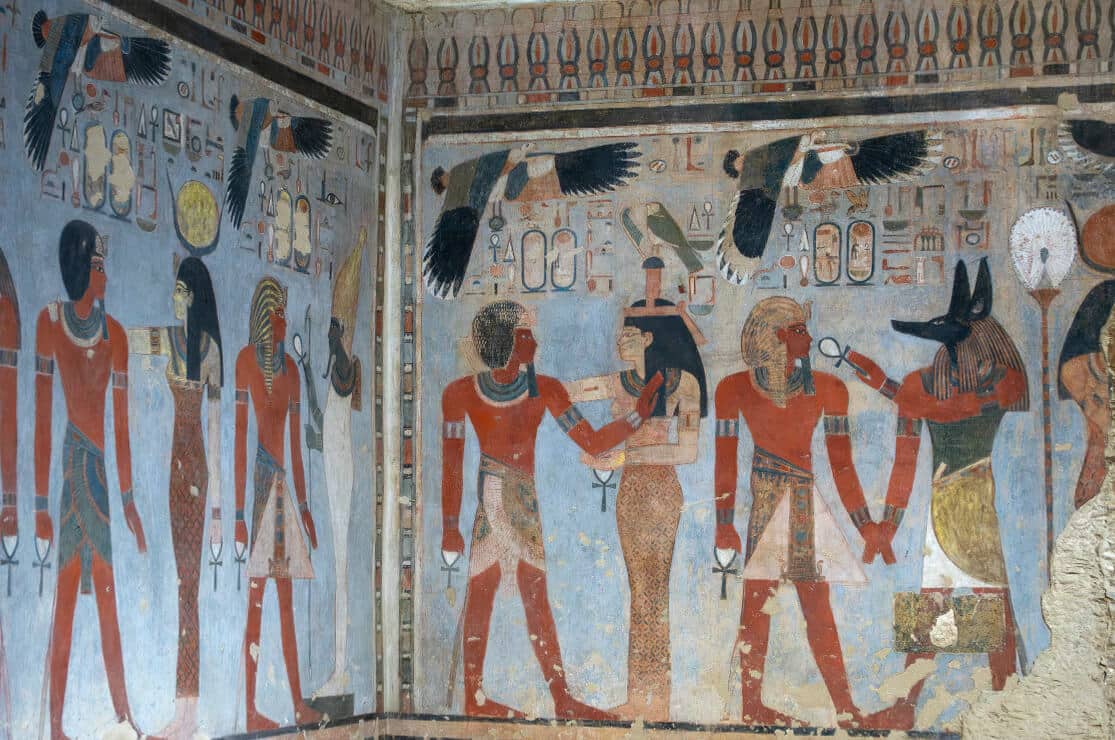
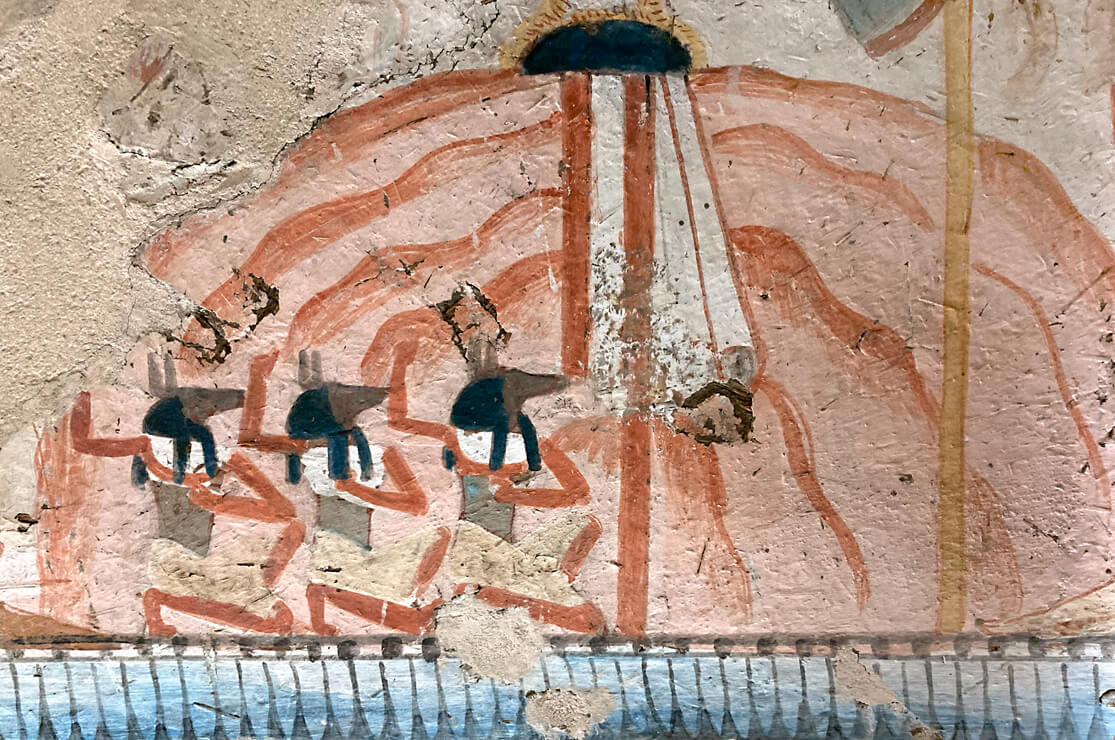
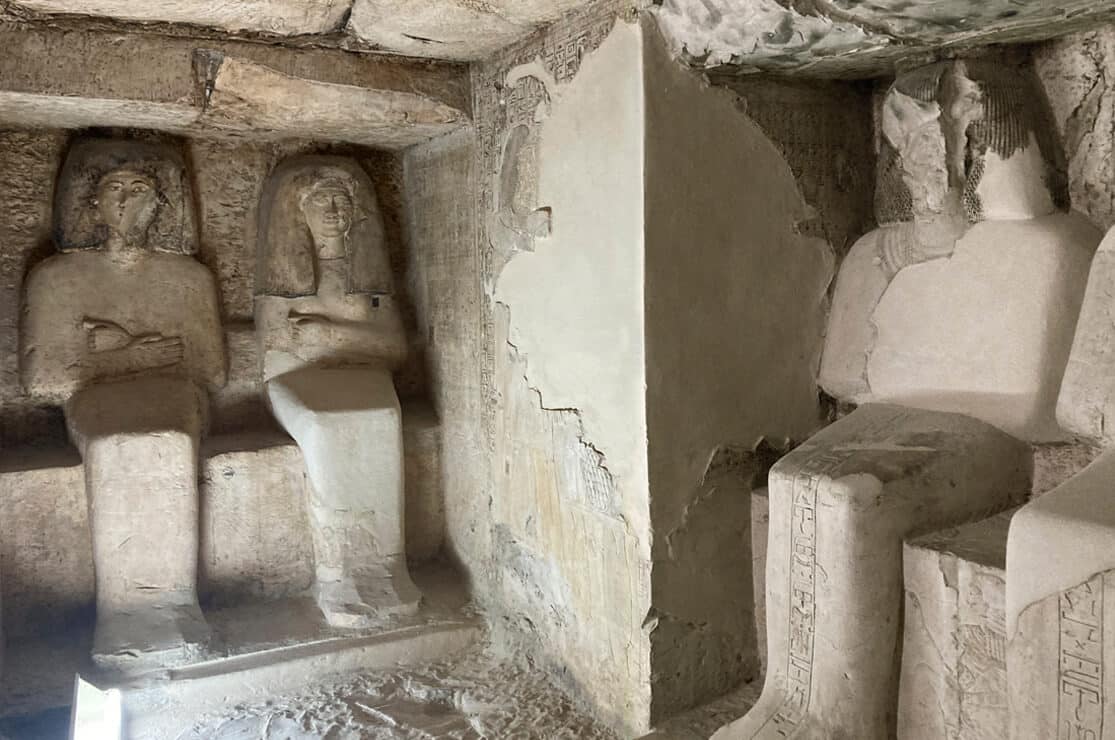
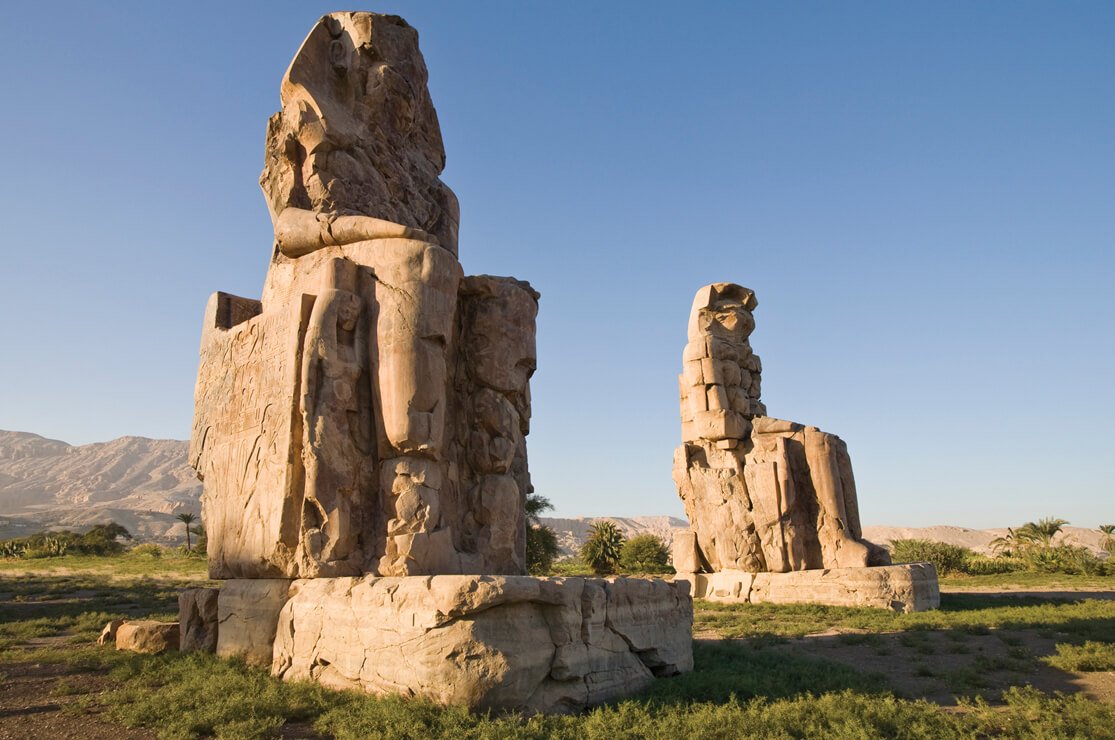
This morning, we head to the secluded West Valley and the rarely opened tomb of Akhenaten’s father, Amenhotep III. It’s fascinating paintings are works of the highest quality, and contrast markedly with what we are going to find at Amarna. This tomb has been closed for many years, but our special permit opens its doors for a full exploration. We continue to the Valley of the Kings itself, where we have plenty of time to explore your choice of three tombs from those open on the day. There is also time for those who wish to buy extra tickets for the breathtaking tomb of Seti I and, of course, the iconic tomb of Akhenaten’s son, Tutankhamun. We have lunch on the west bank before we continue to Deir el Bahri, the palatial temple built for Hatshepsut and other founders of Akhenaten’s dynasty. Also, a short stop to admire the magnificent Colossi of Memnon. A lecture from Bill this evening. (BL)
Day 4
- Thursday 14th January - Karnak
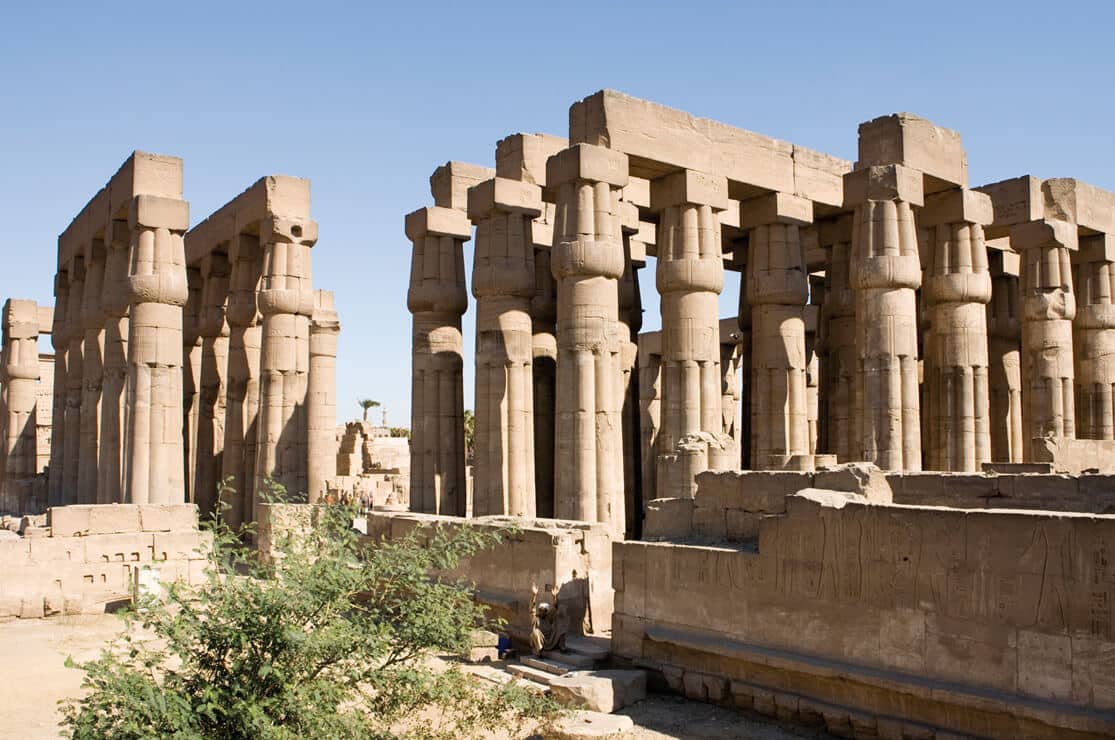
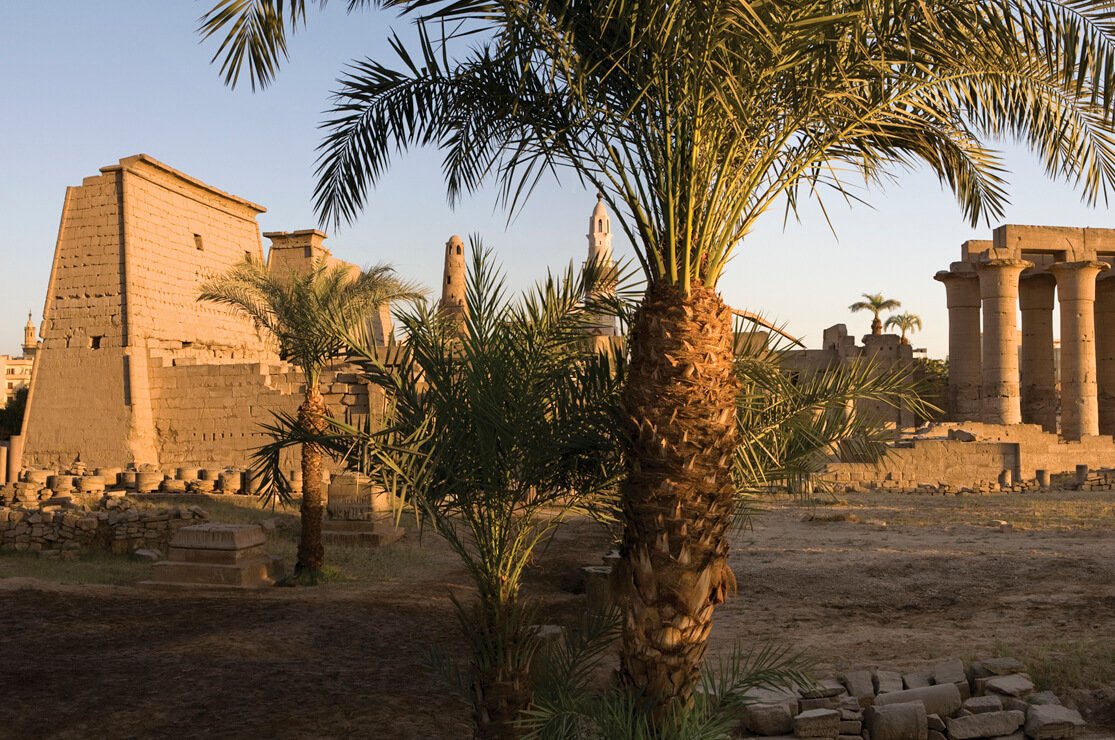
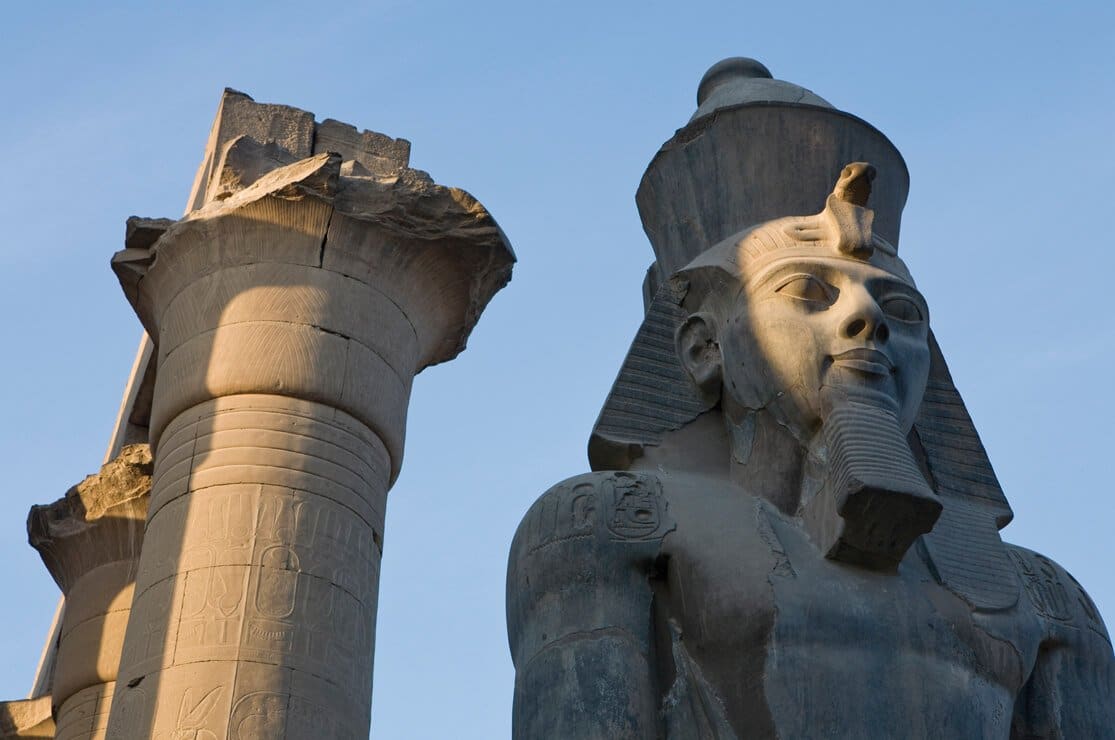
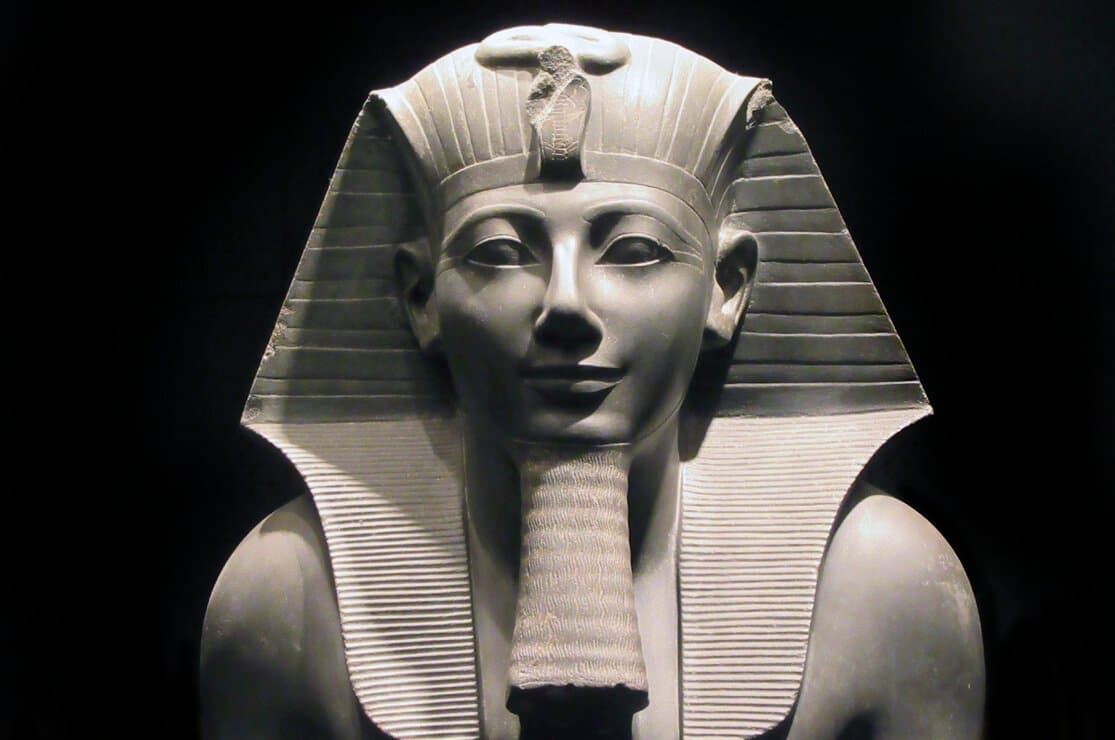
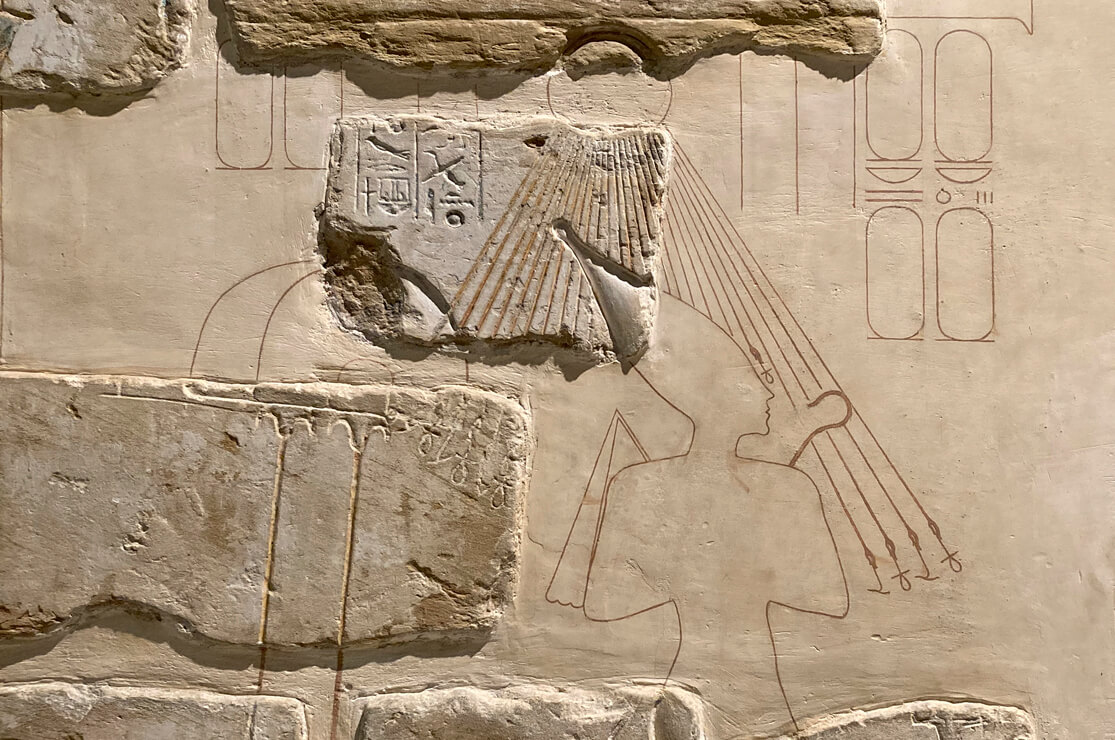
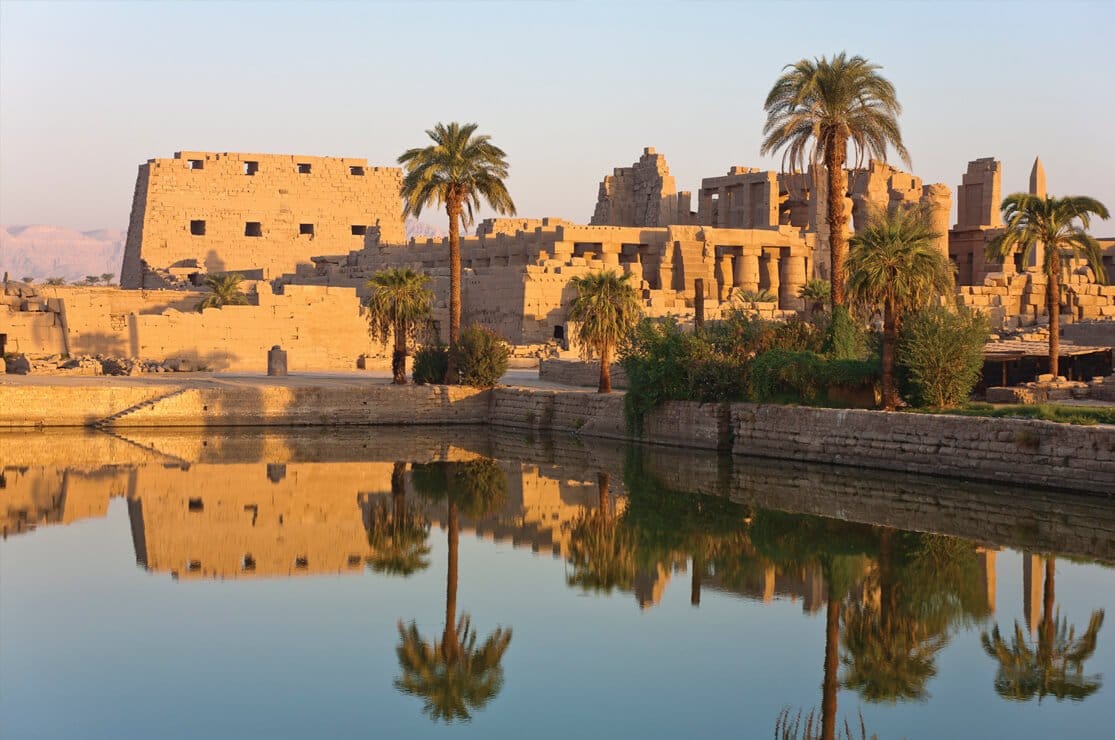
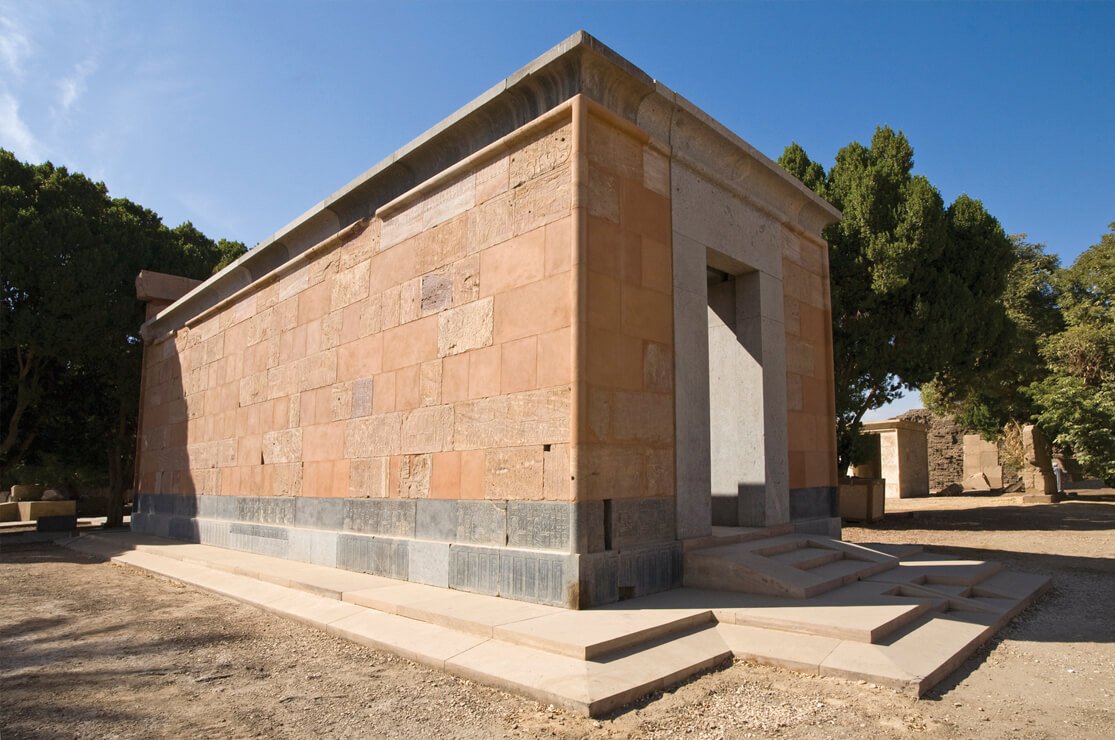
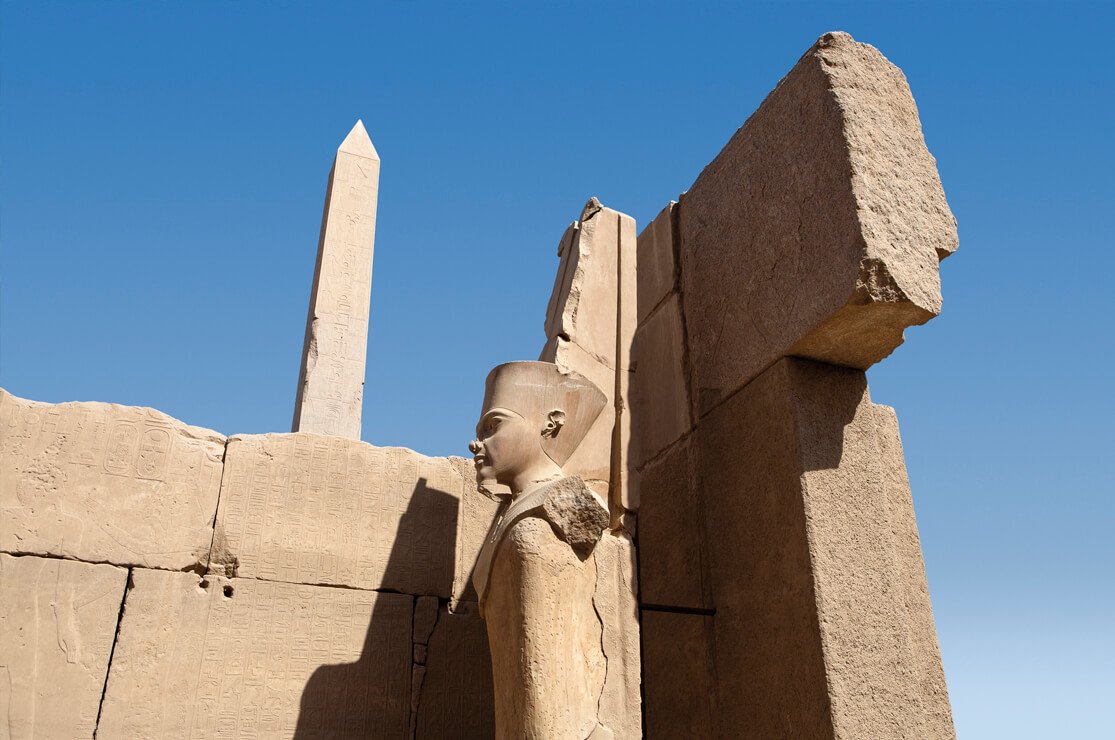
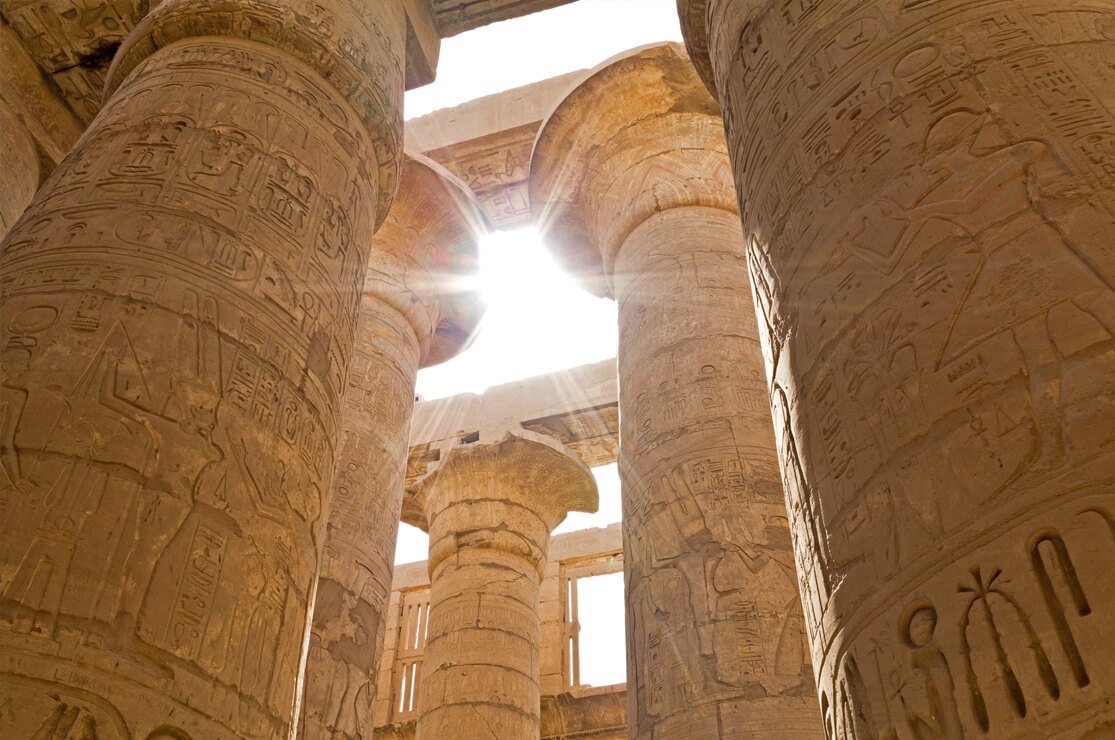
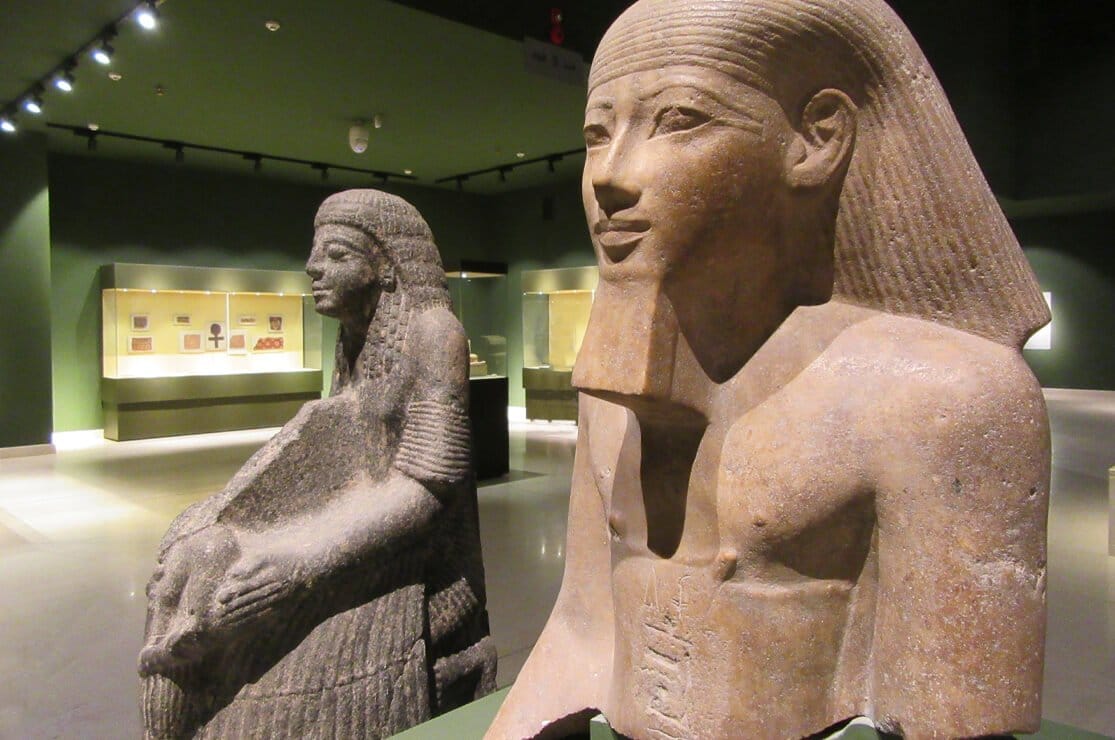
Today we visit Karnak for an in-depth guided tour. We include the Open-Air Museum where we find the wonderful Red Chapel of Hatshepsut and study the war reliefs of Seti I, both of which relate surprisingly directly to the Amarna Period. We seek out other areas connected with Amarna in unexpected ways, before we return to the hotel for a lunch break. In the late afternoon we make leisurely visits to Luxor Temple, planned and largely executed by Amenhotep III, and to the treasures of Luxor Museum, including some of the finest examples of art from the Amarna Period. (B)
Day 5
- Friday 15th January - The Pilgrim’s Road to Abydos
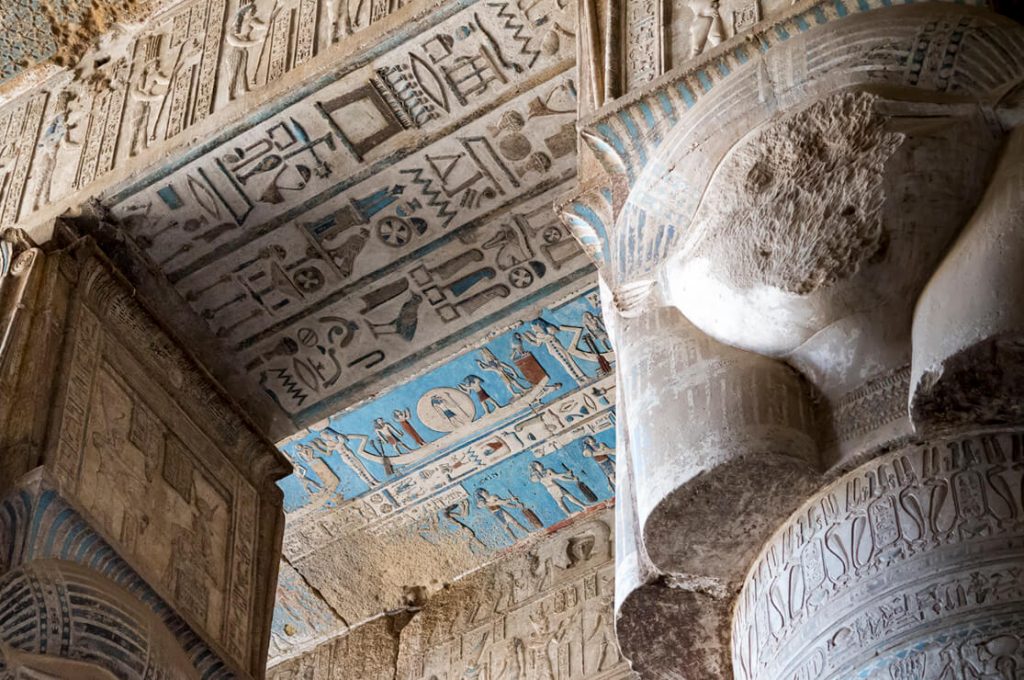
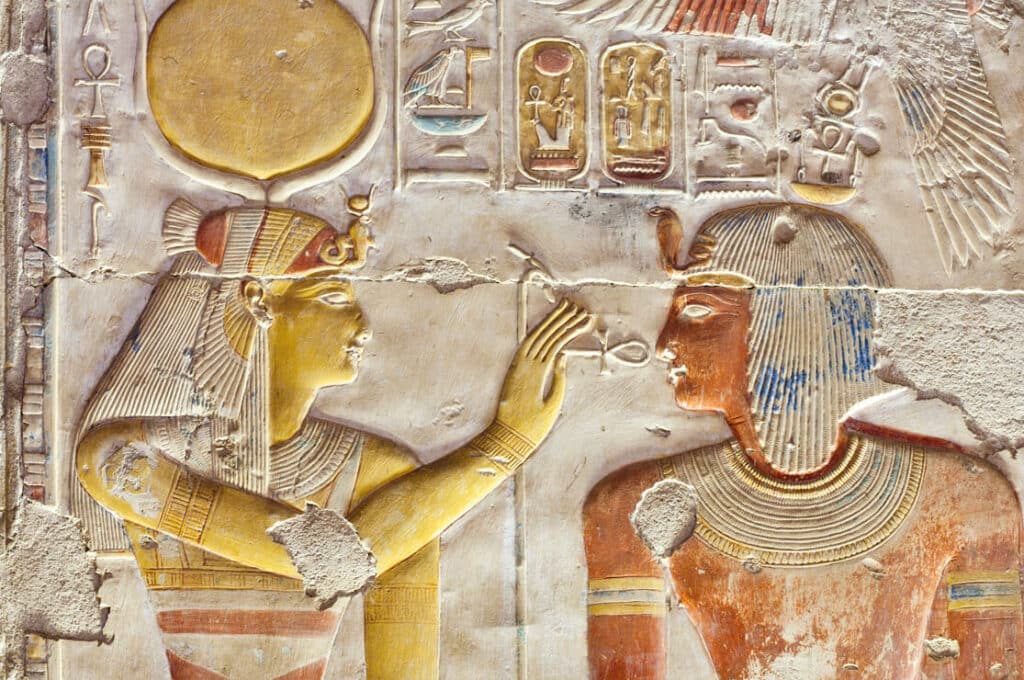
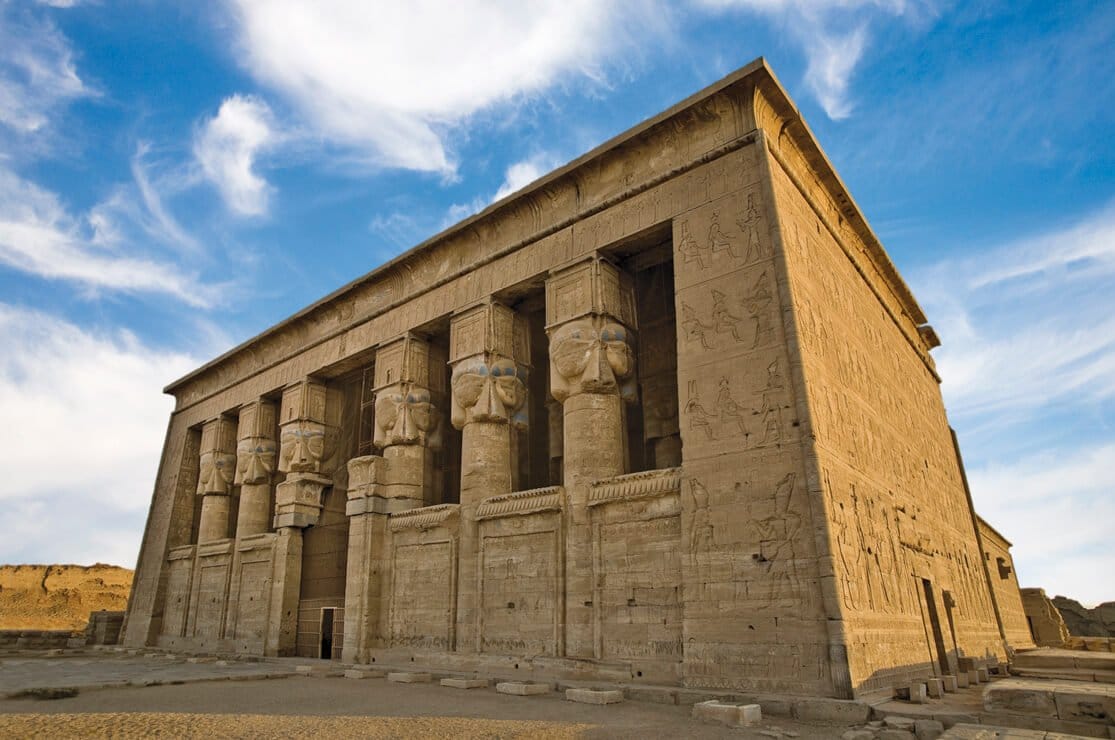
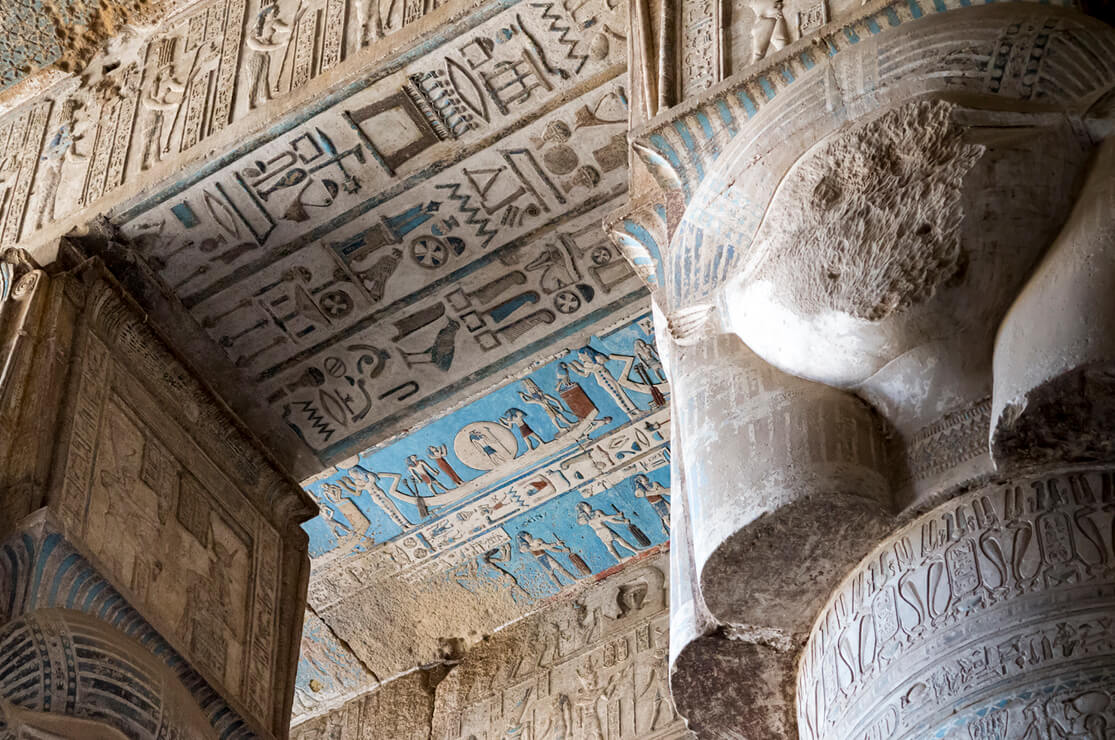
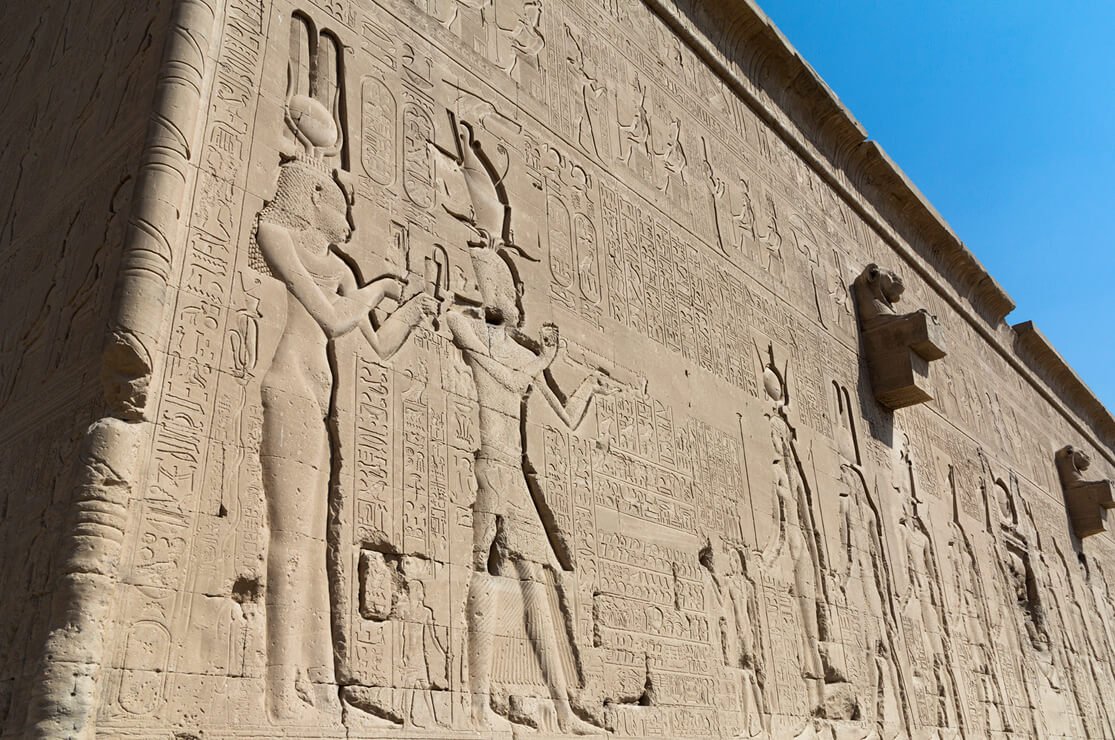
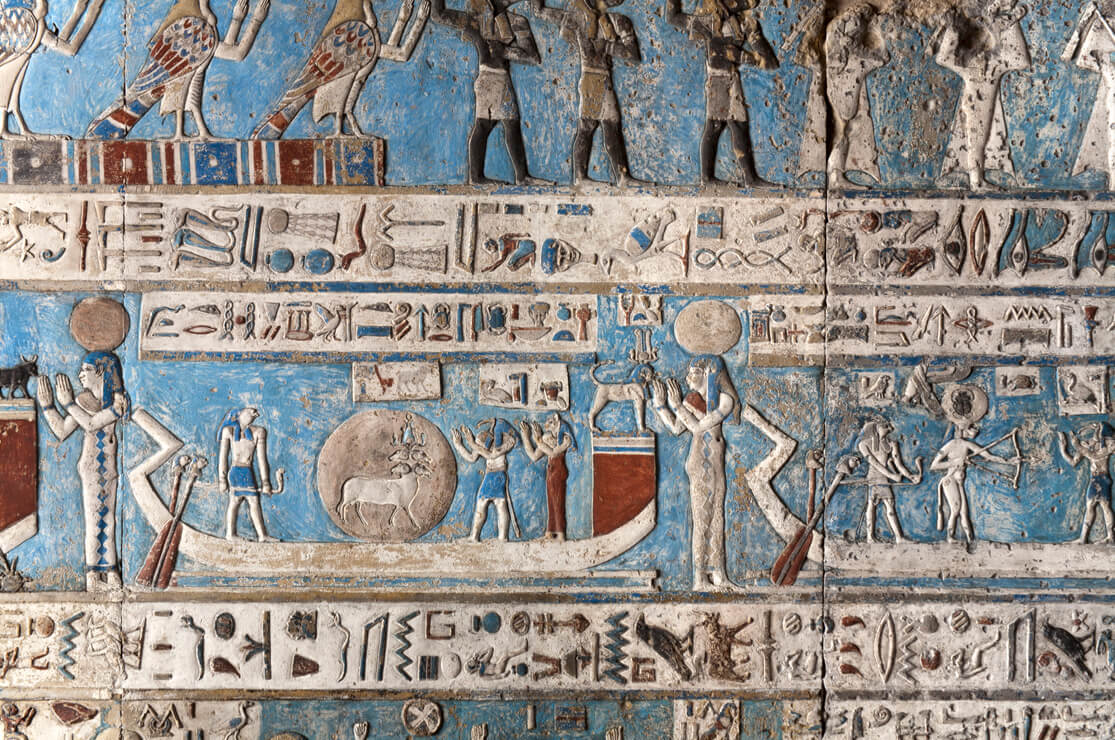
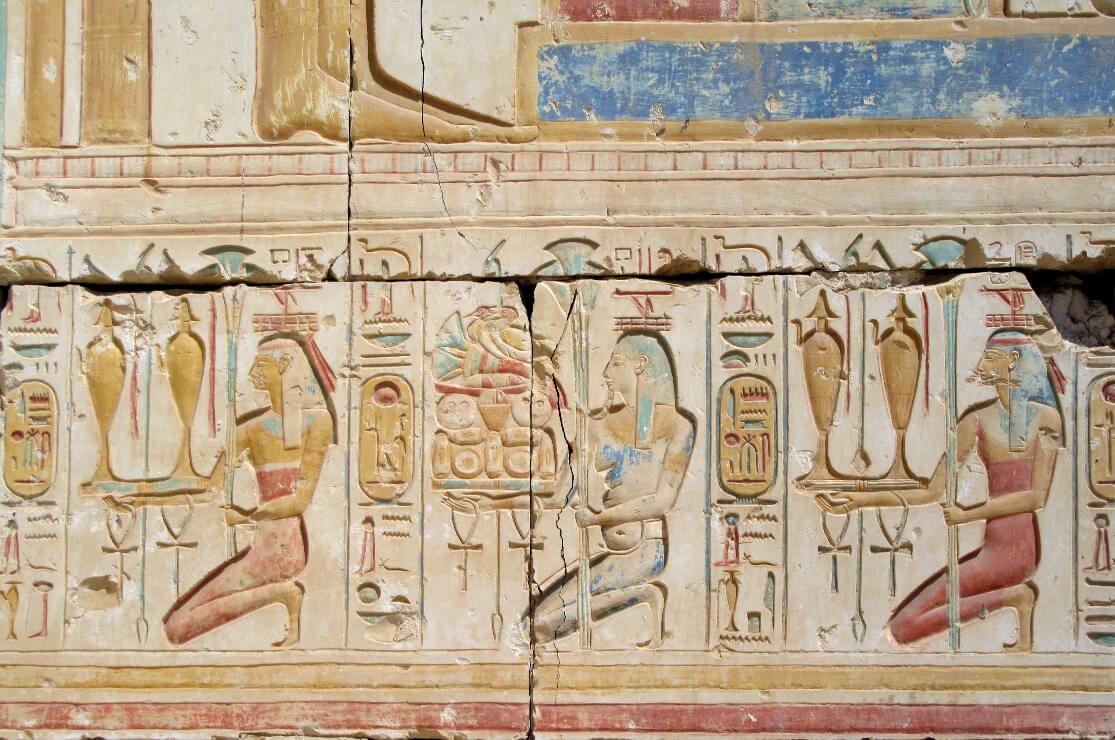
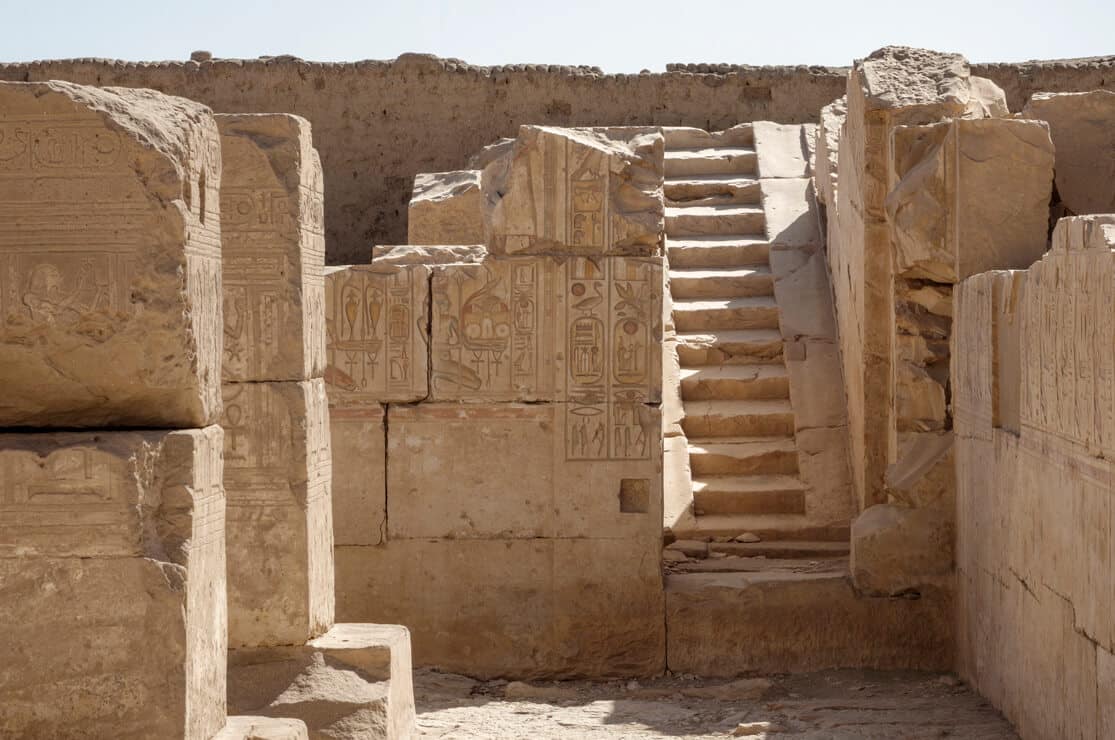
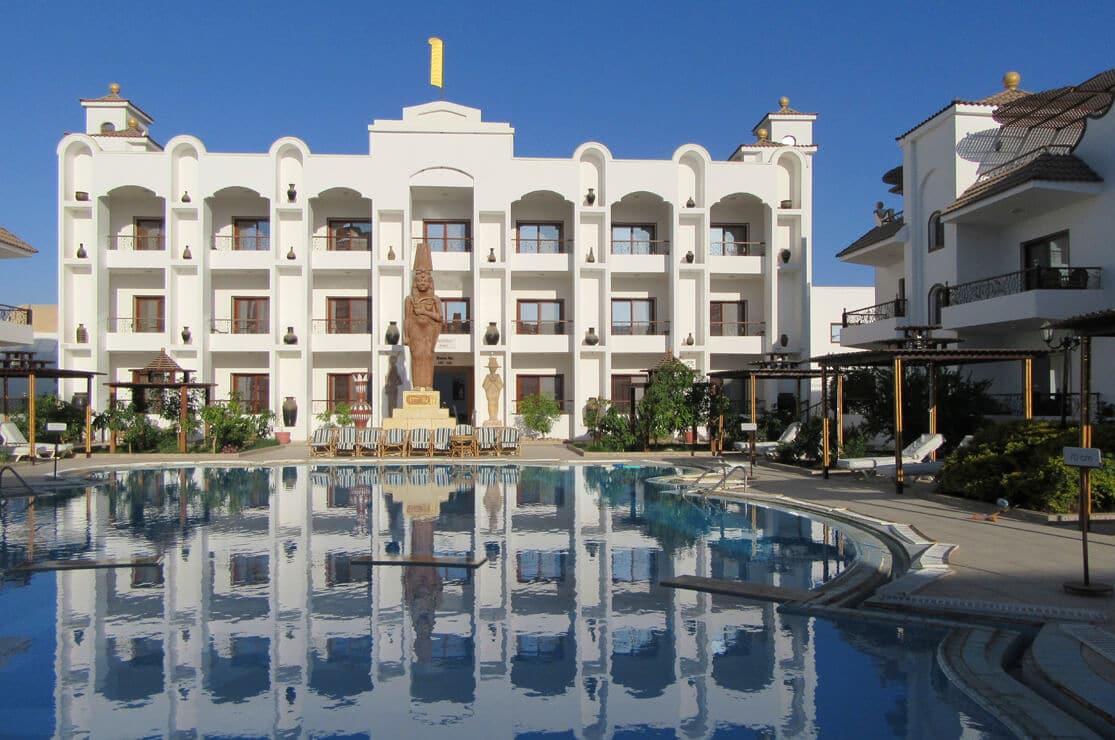
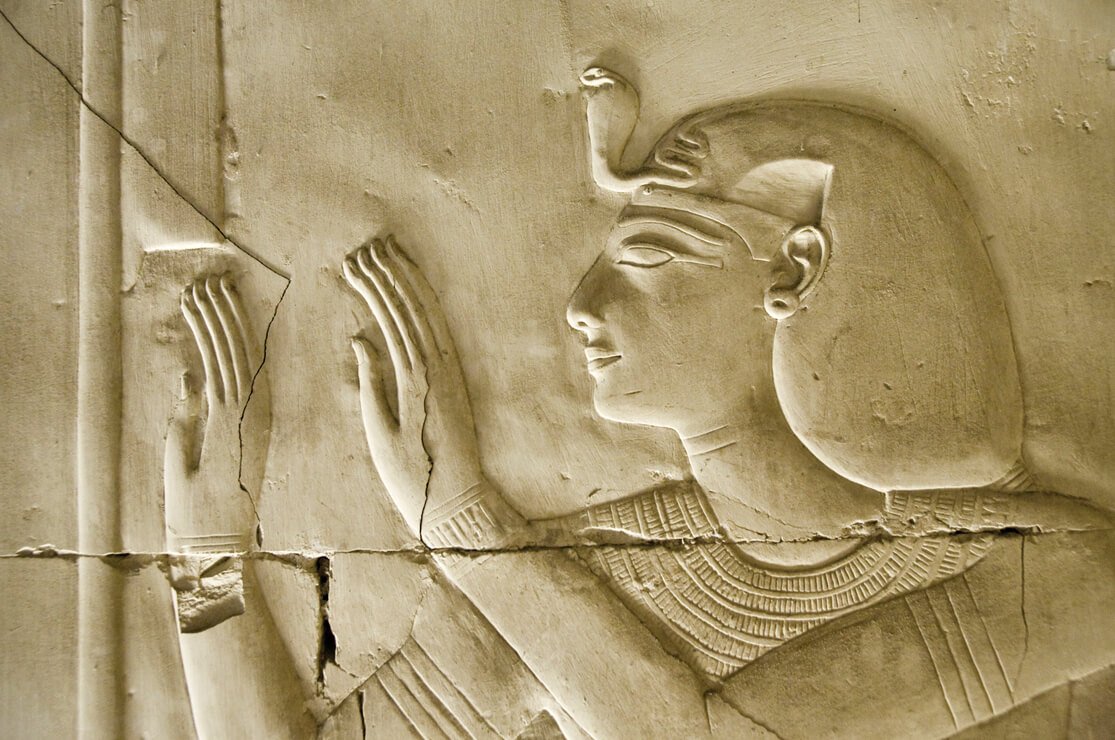
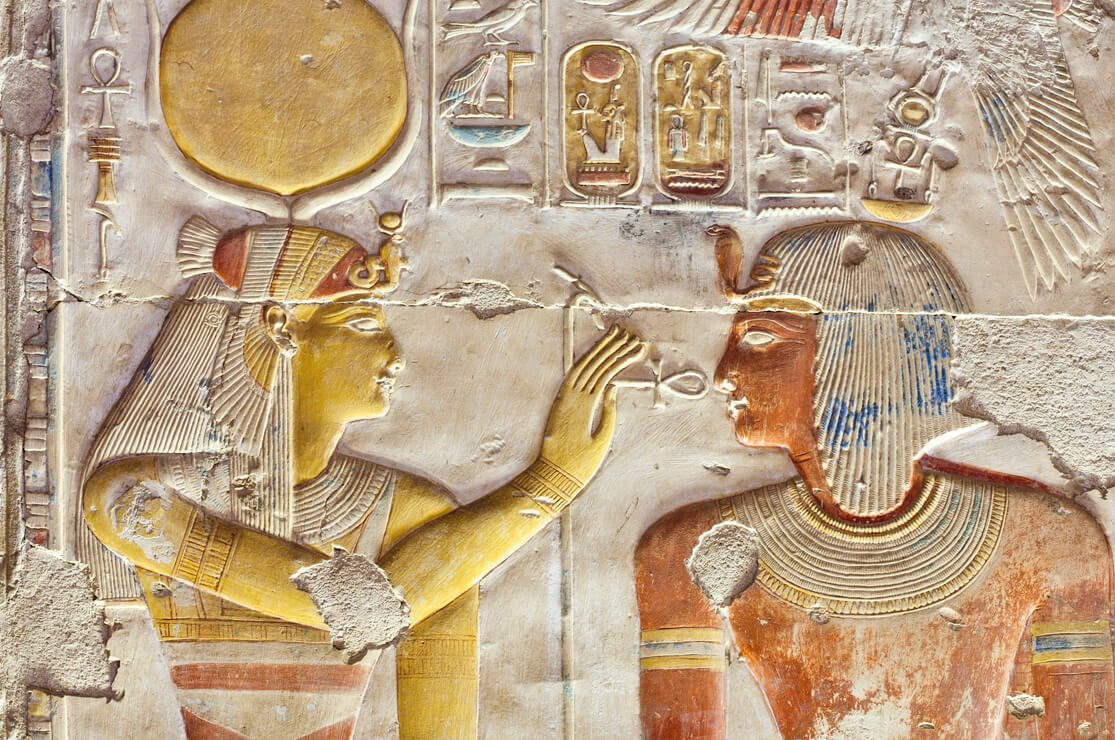
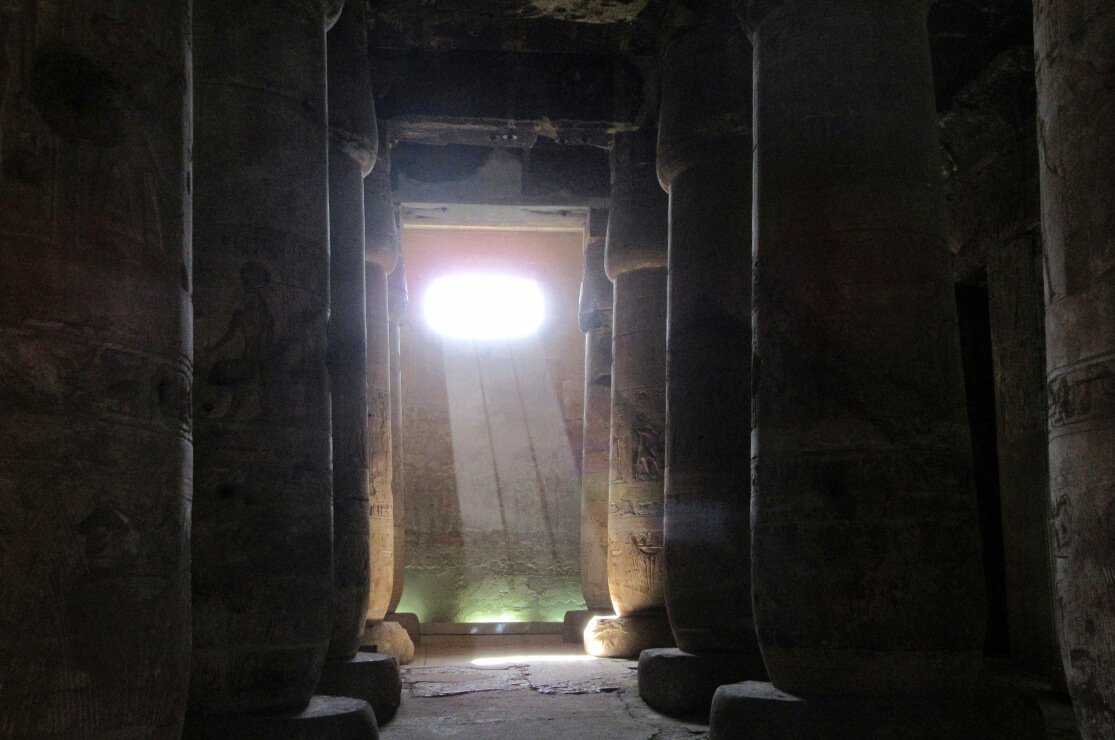
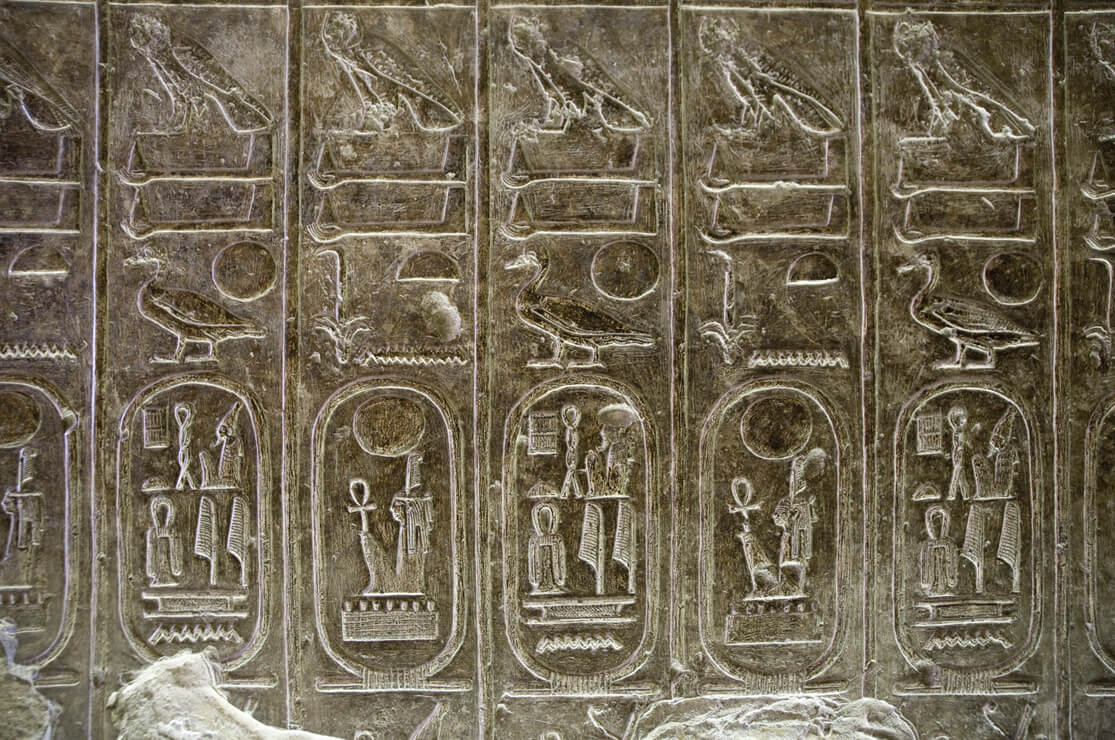
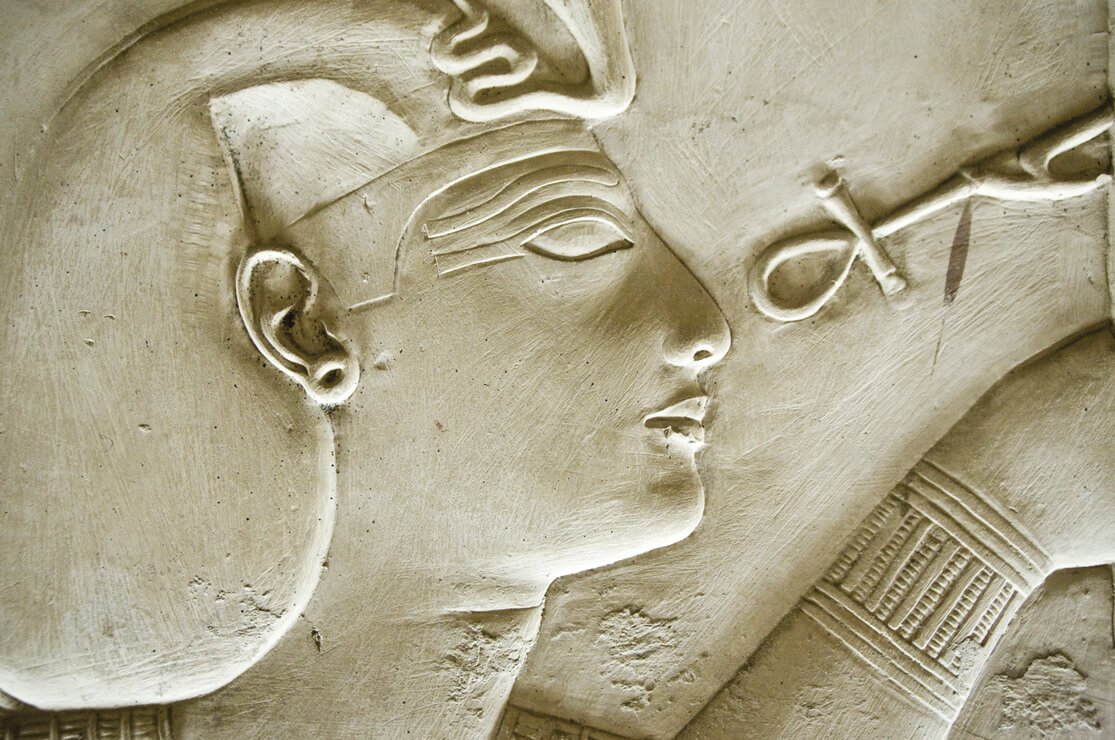
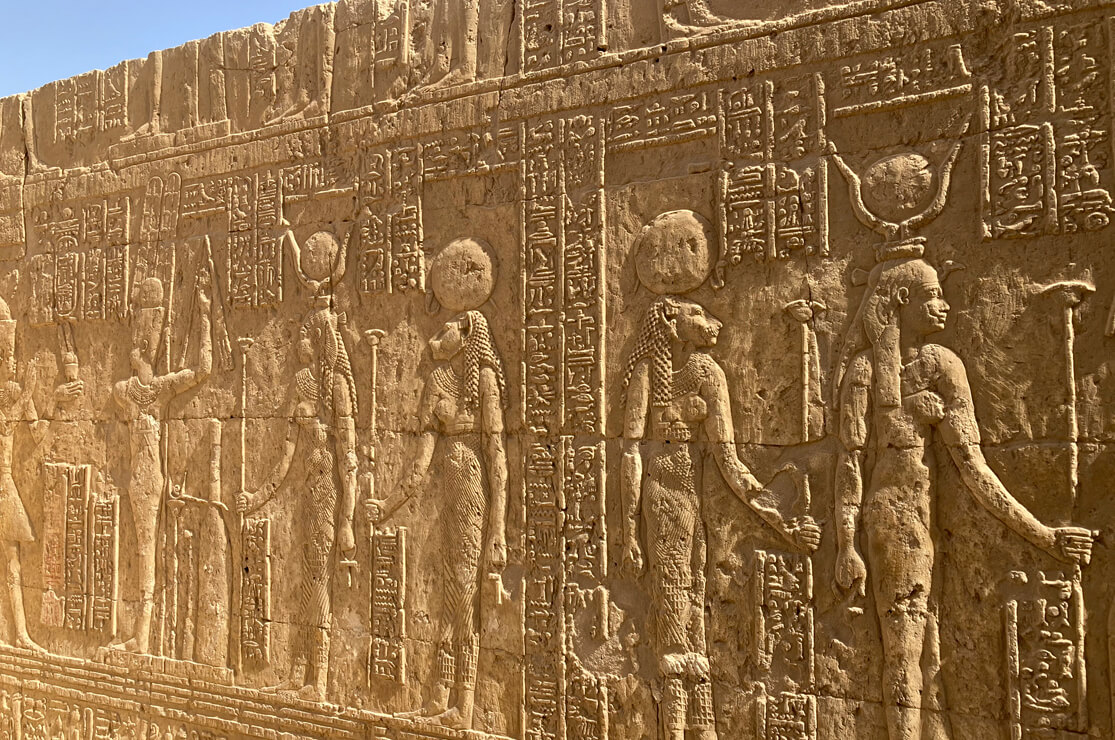
This morning, we leave Luxor and head north to Abydos. En route we visit the iconic temple of Hathor at Dendera, where highlights include celebrated scenes of the notorious Cleopatra – the last queen to rule Egypt, walking in the footsteps of Nefertiti herself. The columns and ceiling of the temple’s hypostyle hall have been beautifully cleaned and are absolutely stunning to experience. We continue to Abydos and our hotel, the House of Life, where lunch awaits and we check in for two nights on full board basis. After lunch at our hotel, we have time to explore the temple of Seti I and get to know arguably the most beautiful scenes found anywhere in Ancient Egypt – commissioned in the immediate aftermath of Akhenaten’s controversial reign. (BLD)
Day 6
- Saturday 16th January - An Exploration of Abydos
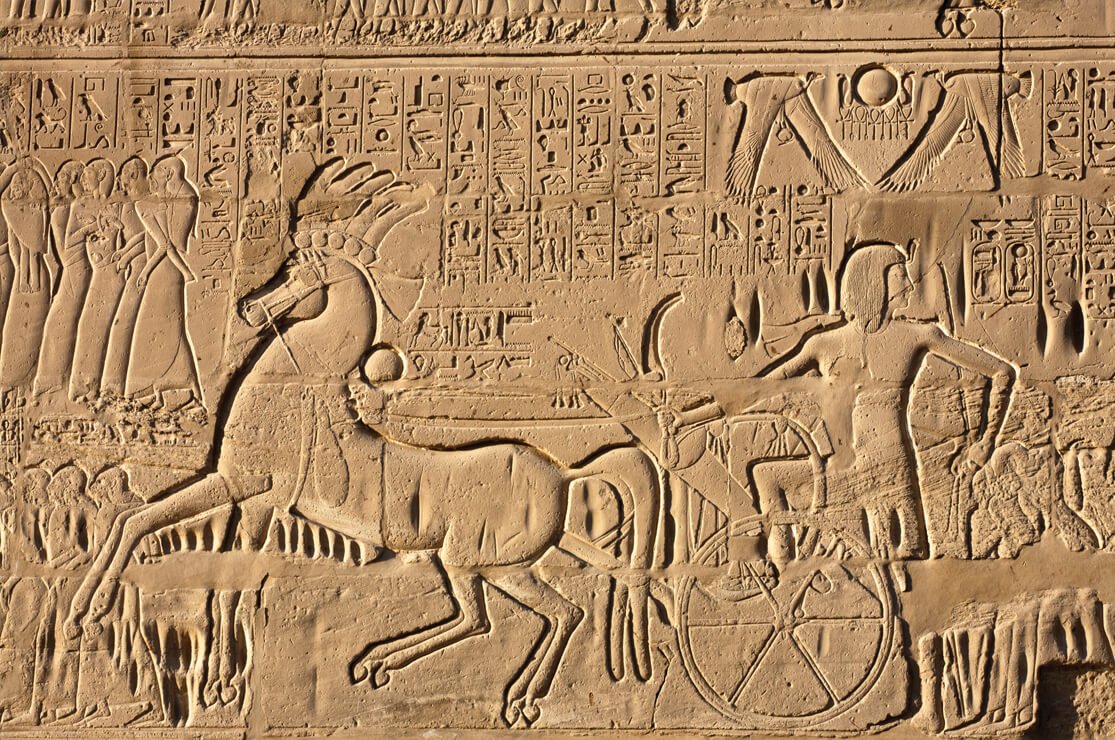
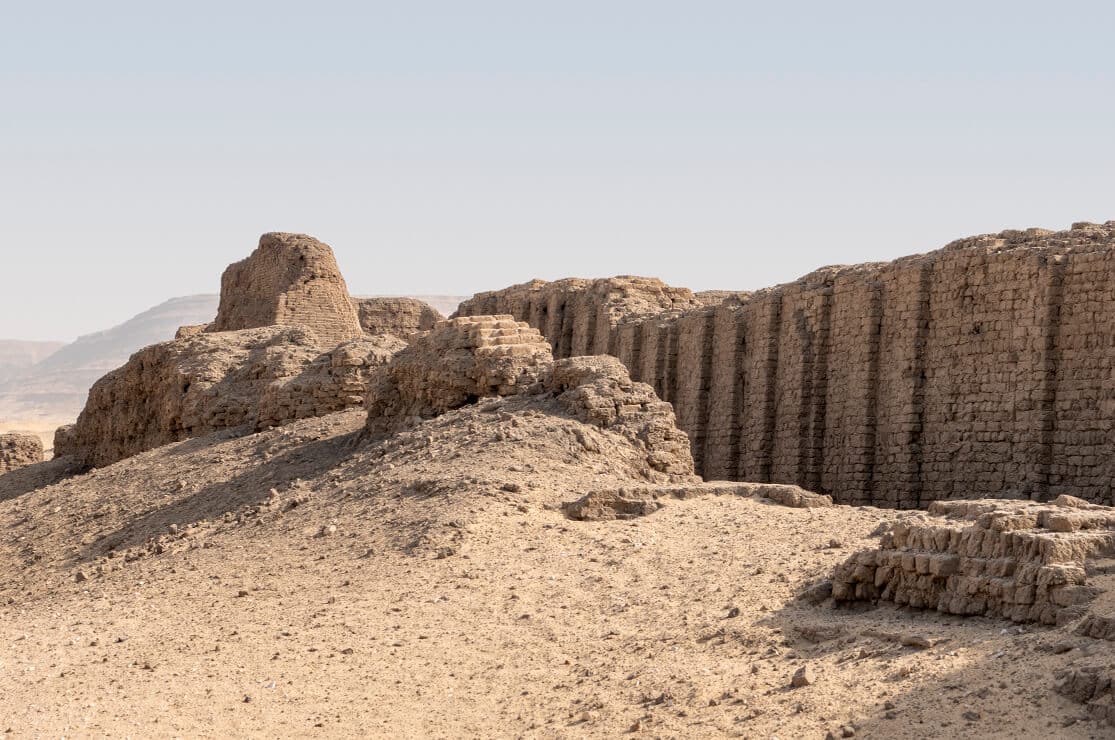
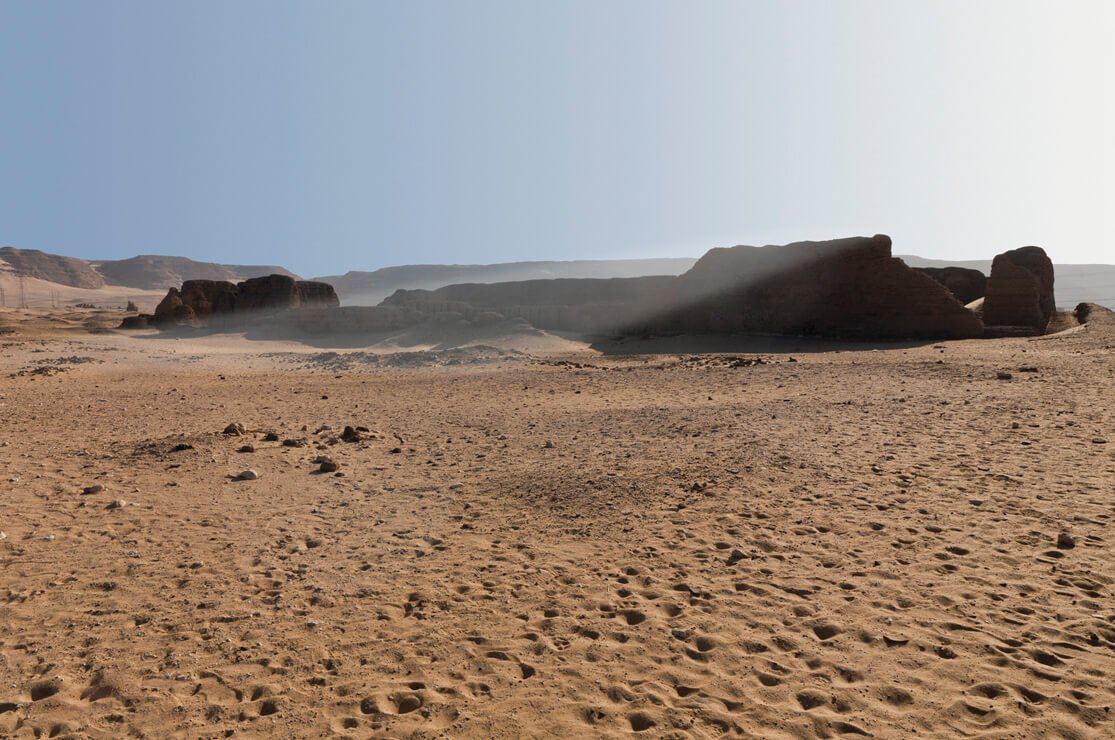
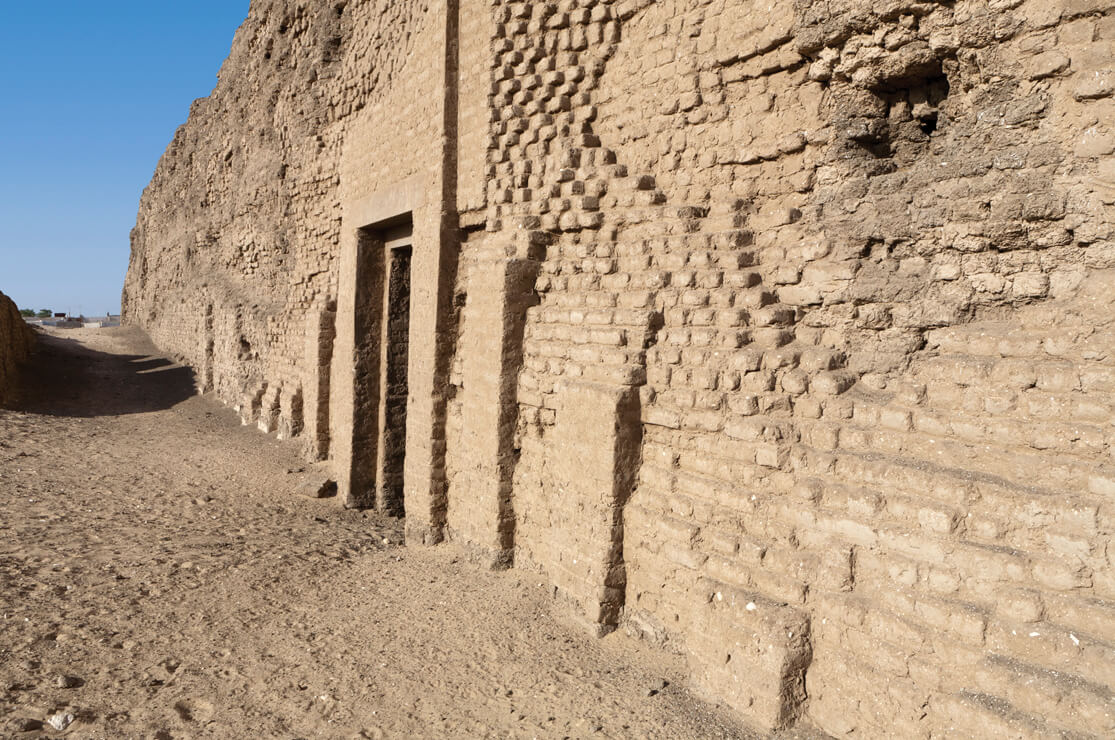
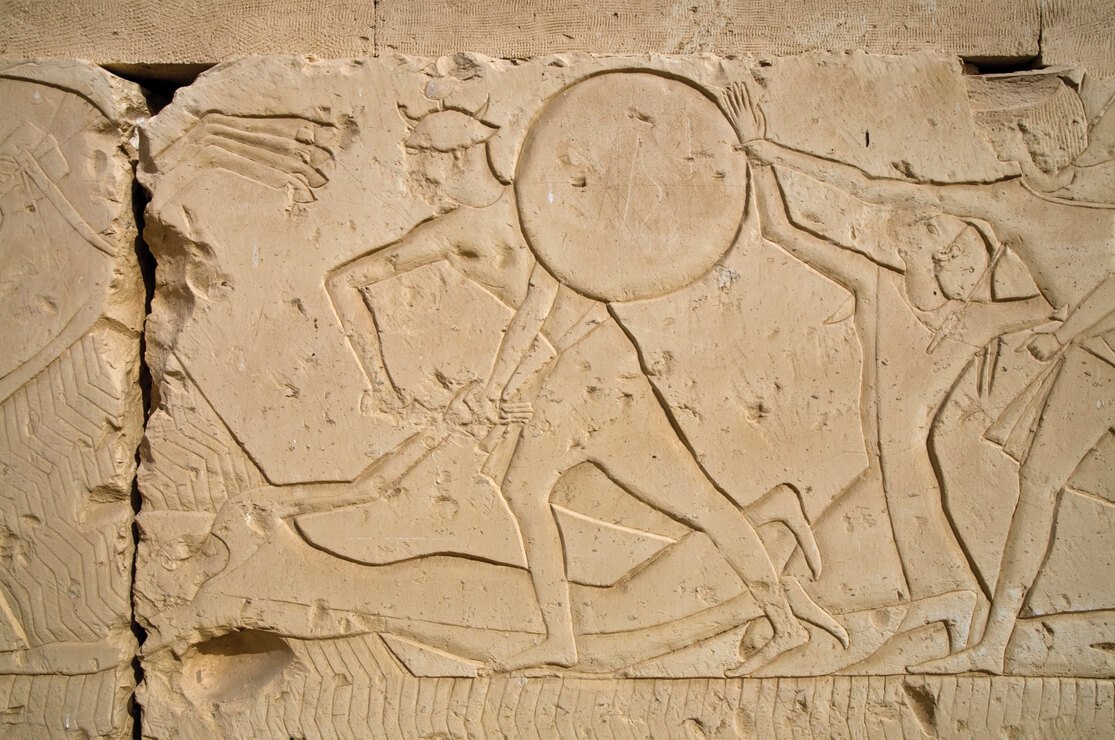
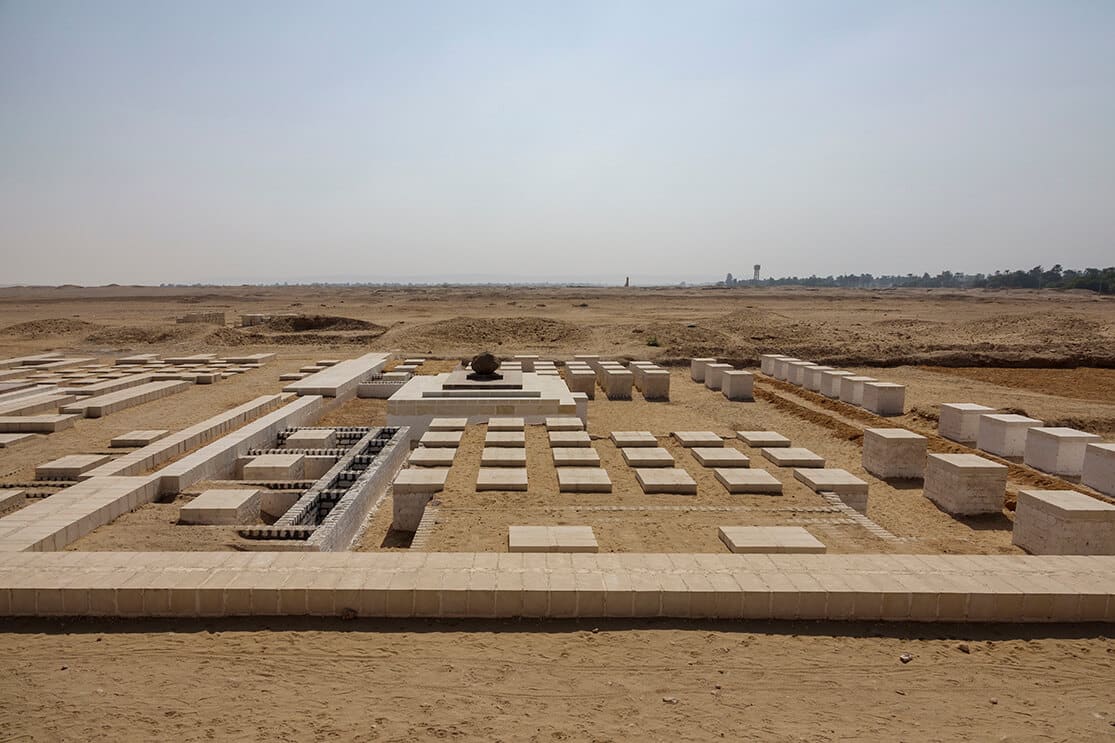
We begin the day at Kom el-Sultan, the remains of the temple of Osiris – the most sacred archaeological site in Egypt, reaching back to the very dawn of history. Here, Petrie discovered a tiny ivory statue – the only representation we have of Khufu, the king who built the Great Pyramid! Almost next door, we experience the imposing Shunet el-Zebib – mortuary temple of king Khasekhemwy and the model for the Step Pyramid. Our morning ends at the temple of Ramesses II, to see the moving scenes of the bloody Battle of Qadesh, an event whose story can be traced back to the Amarna Period. Here we also explore the recent excavations. We return to our hotel for lunch and free time in the afternoon. Perhaps take another walk to the temple of Seti I or spend the afternoon by the pool. (BLD)
Day 7
- Sunday 17th January - Athribis and Asyut
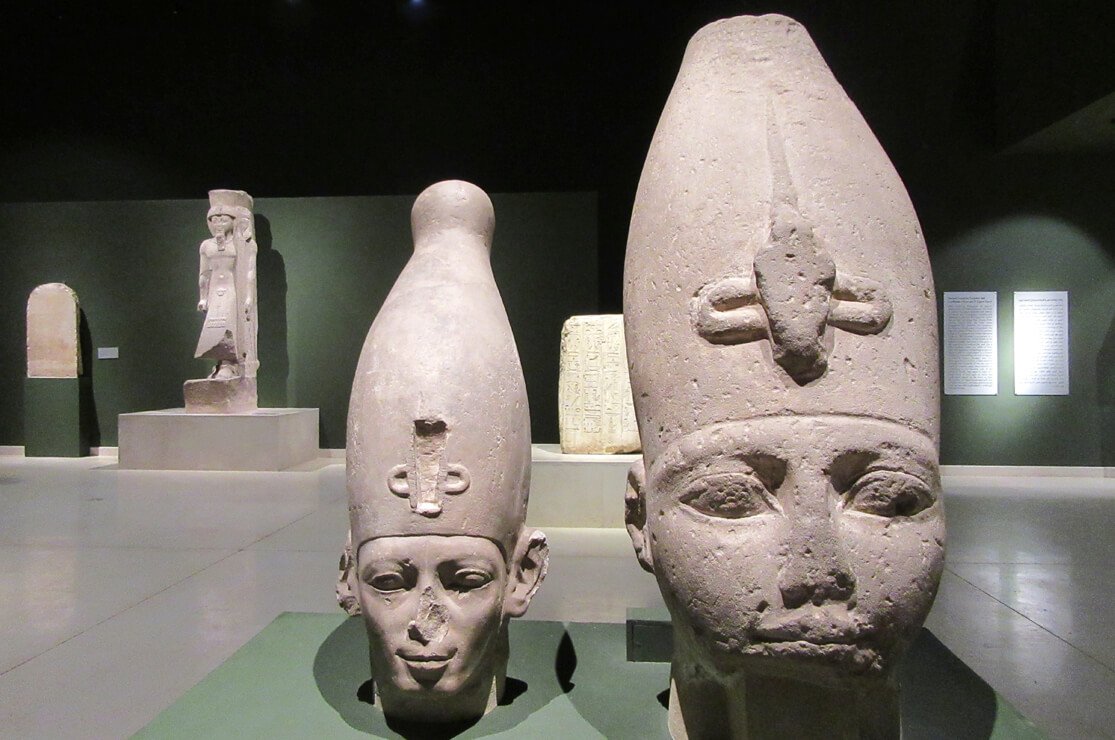
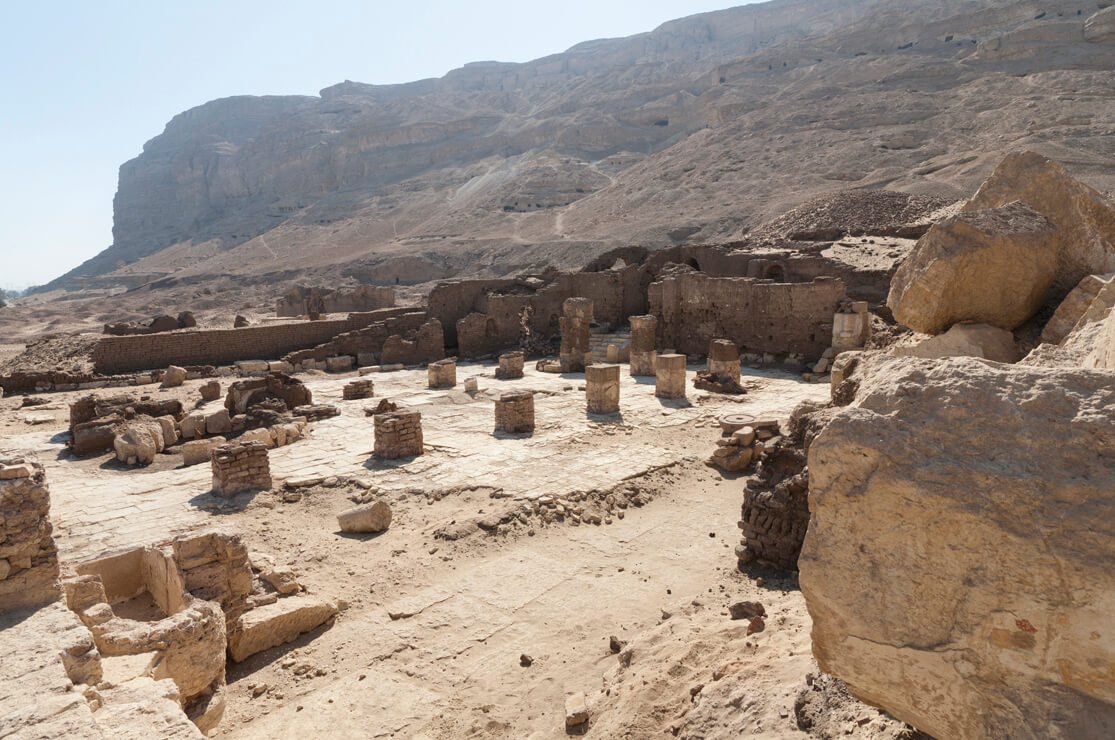
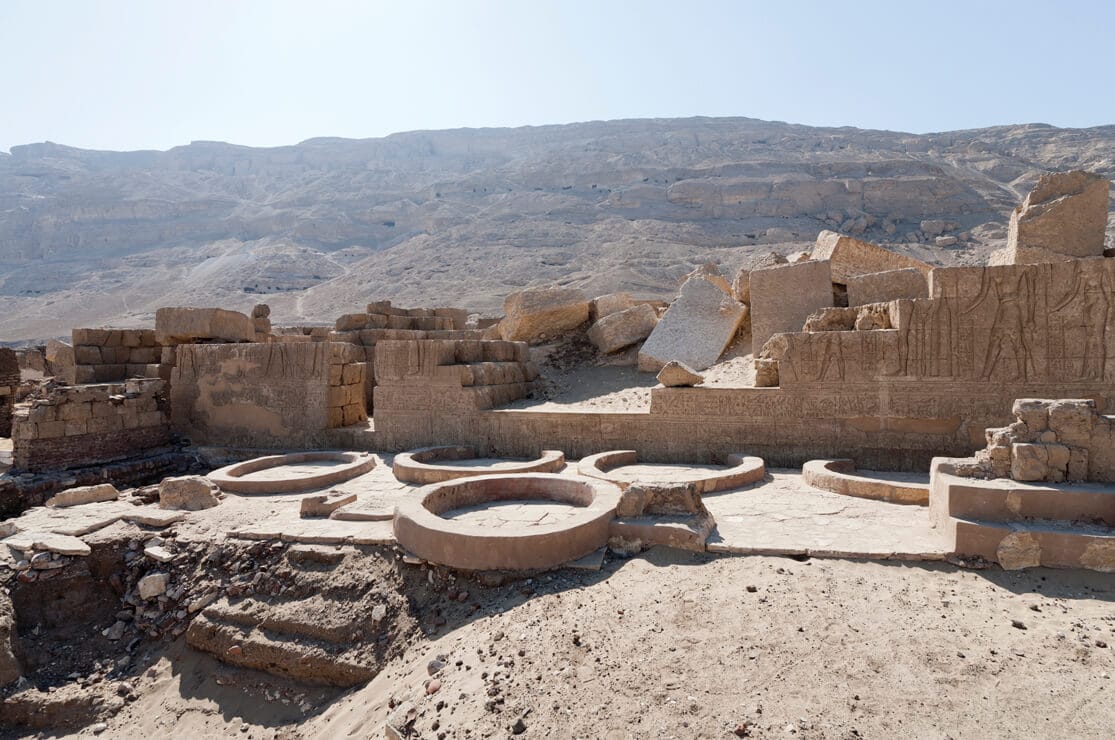
Leaving Abydos this morning, we head to the delightful Sohag Museum, a recently opened gem which tells the wider story of the area local to Amarna. Accordingly, our next stop is Athribis and a temple dedicated in the name of Caesarion, the son of Cleopatra and Julius Caesar, but completed in the names of Augustus and other Roman emperors. There are impressive ruins to enjoy here, including a huge nunnery dating from the fourth century – and some truly vast pots! We end the day at Asyut, in the Hotel Cemex – a company venue on the edge of the desert, where we stay for two nights on a full board basis. (BLD)
Day 8
- Monday 18th January - Amarna, City of Akhenaten and Nefertiti
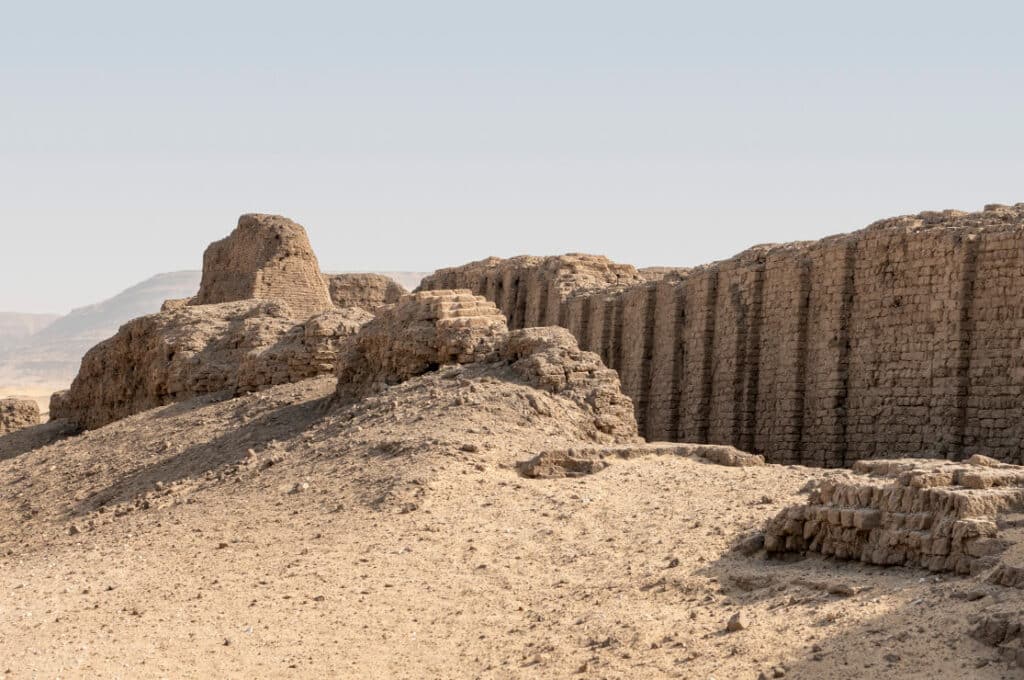
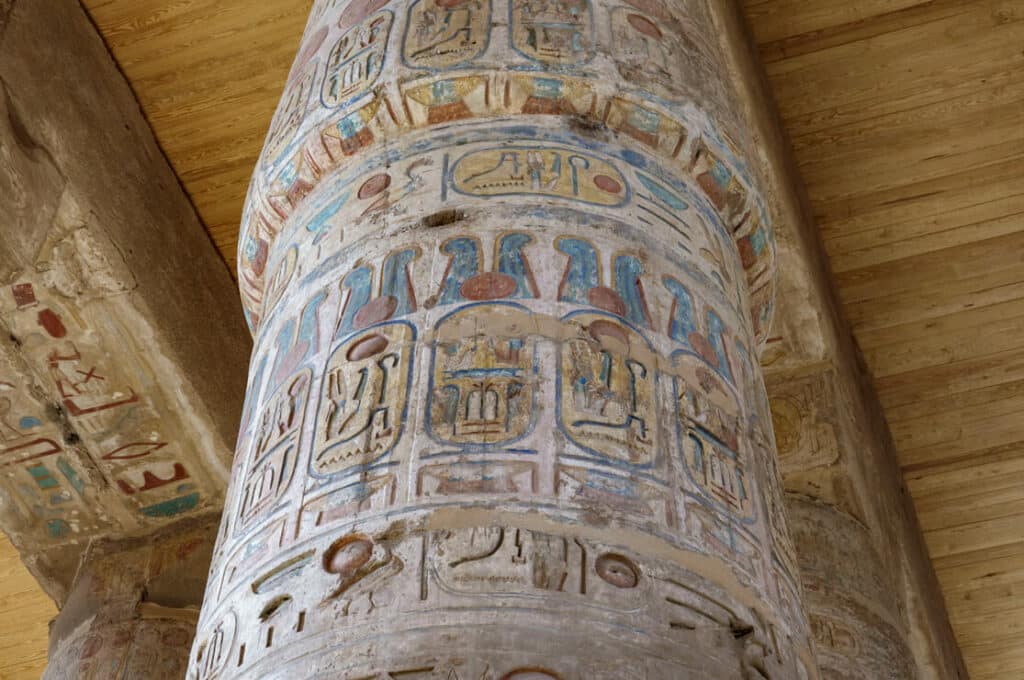
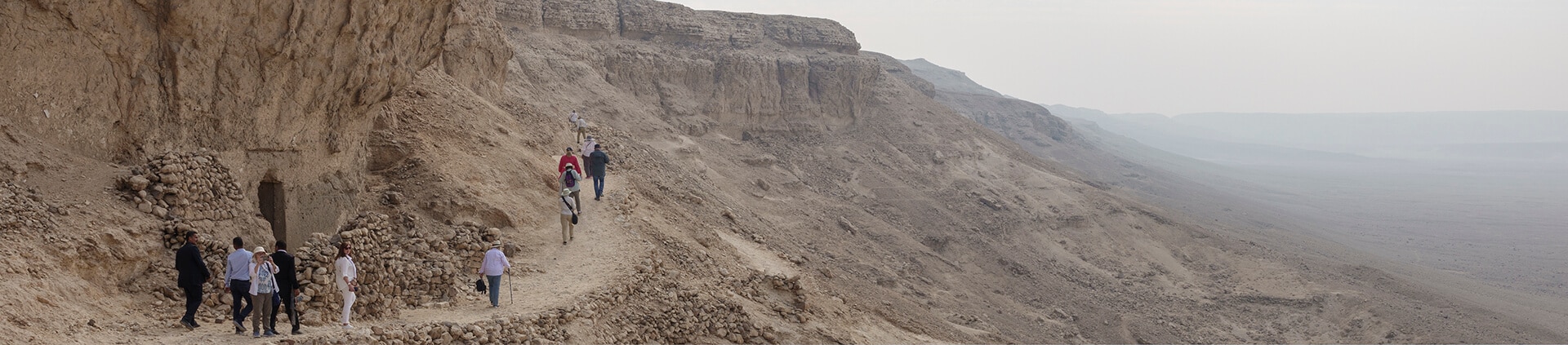
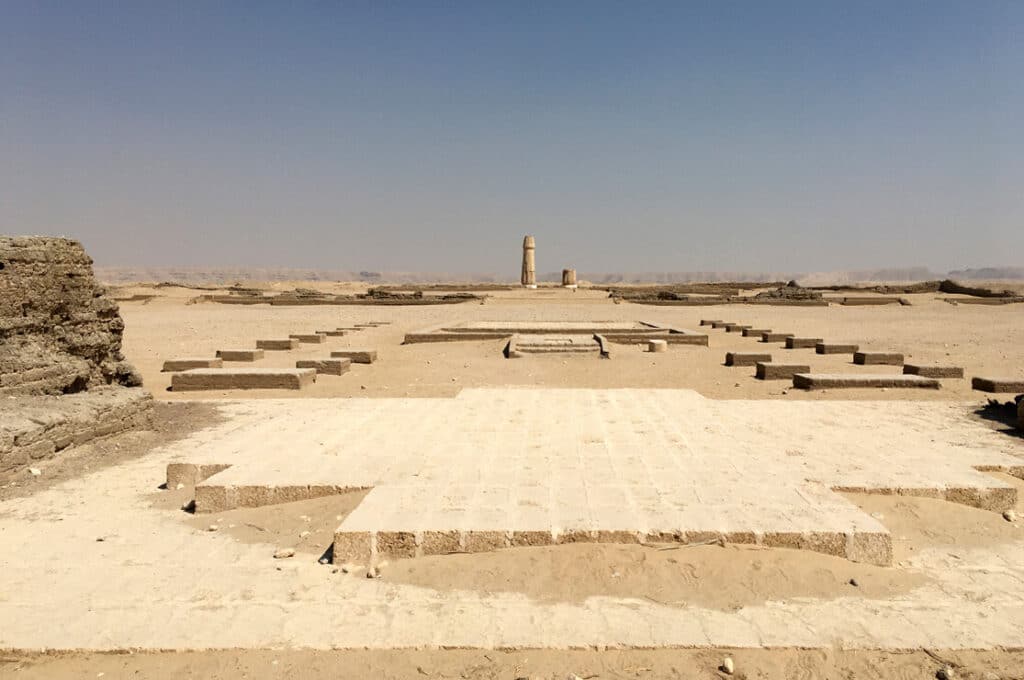
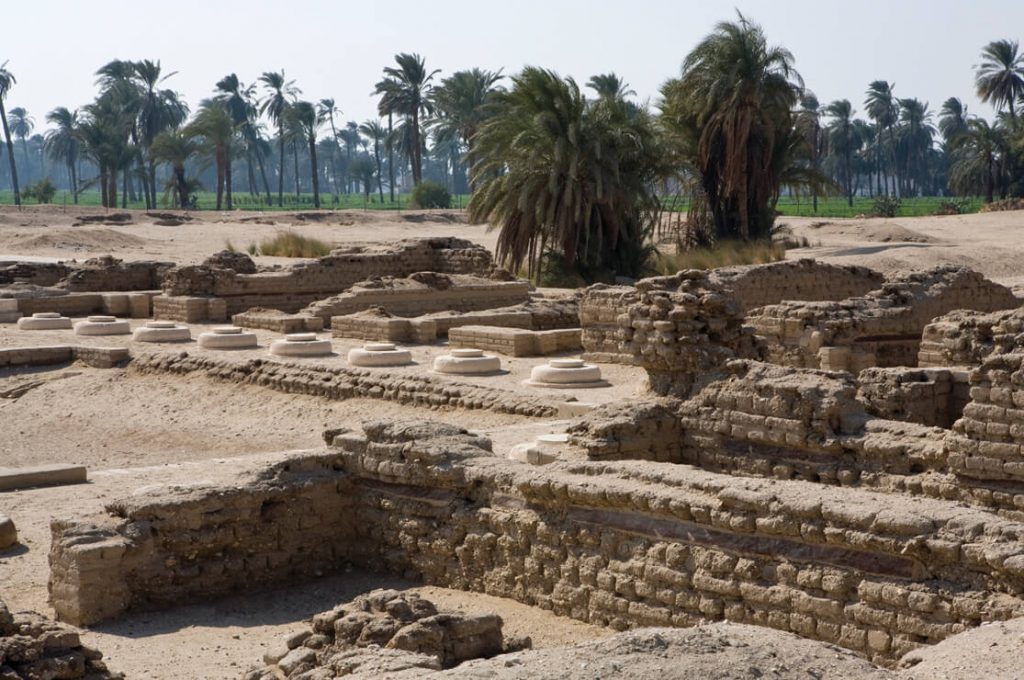
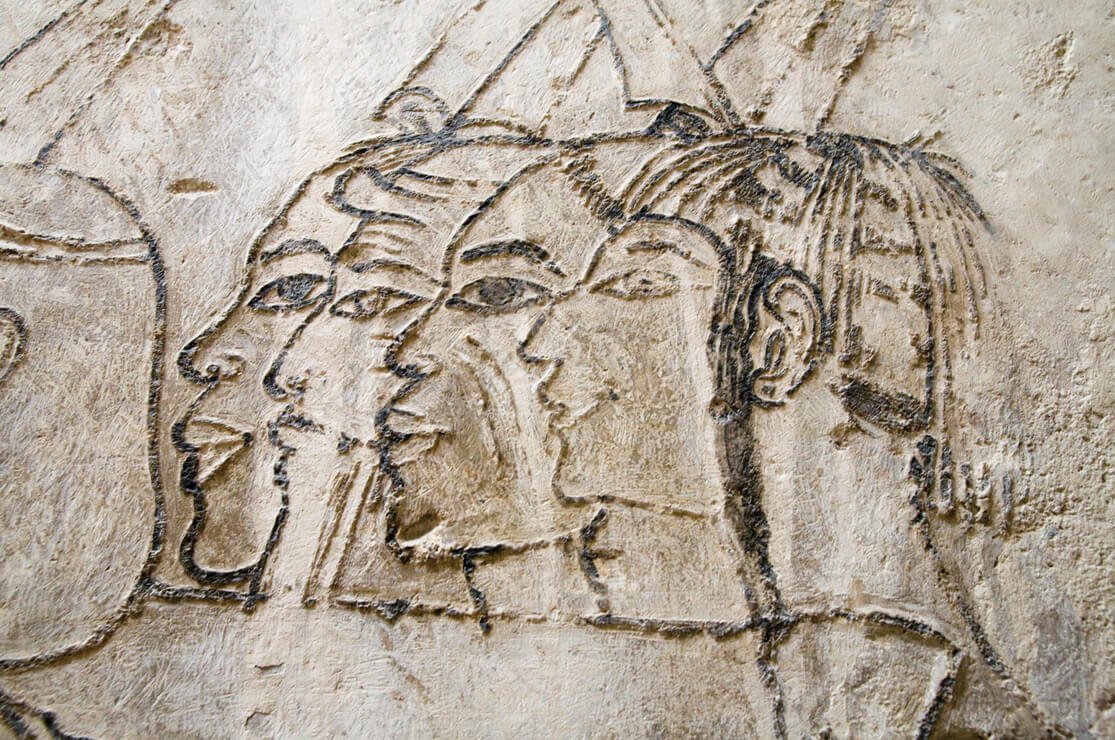
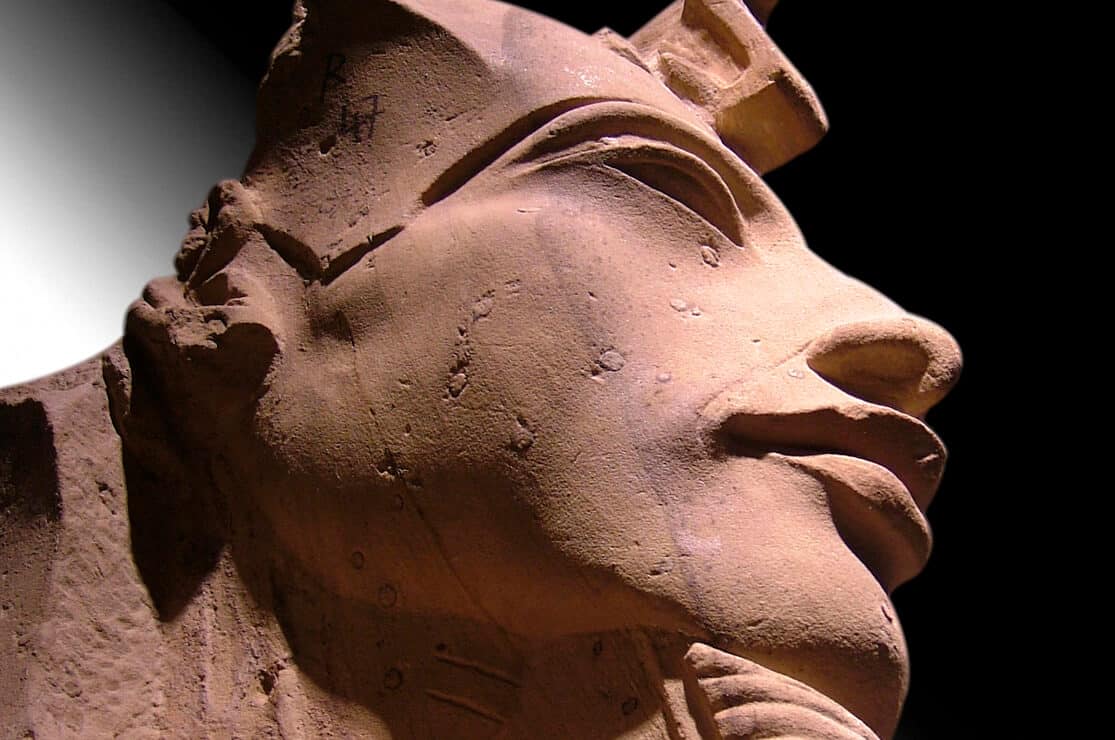
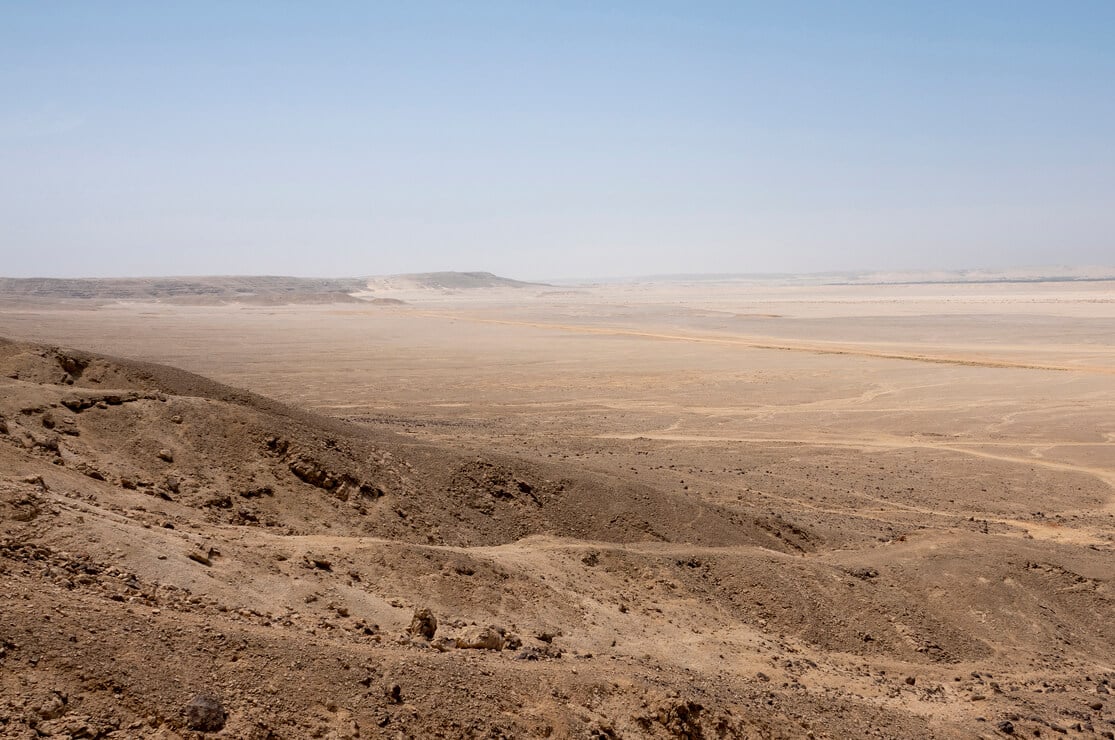
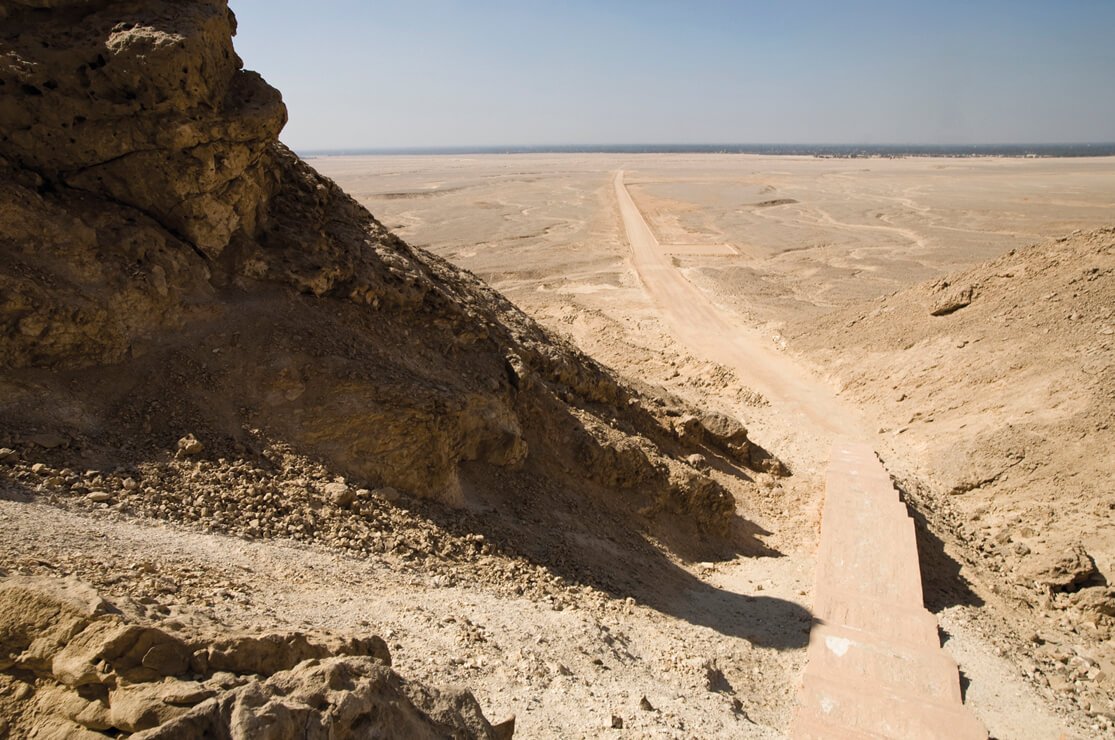
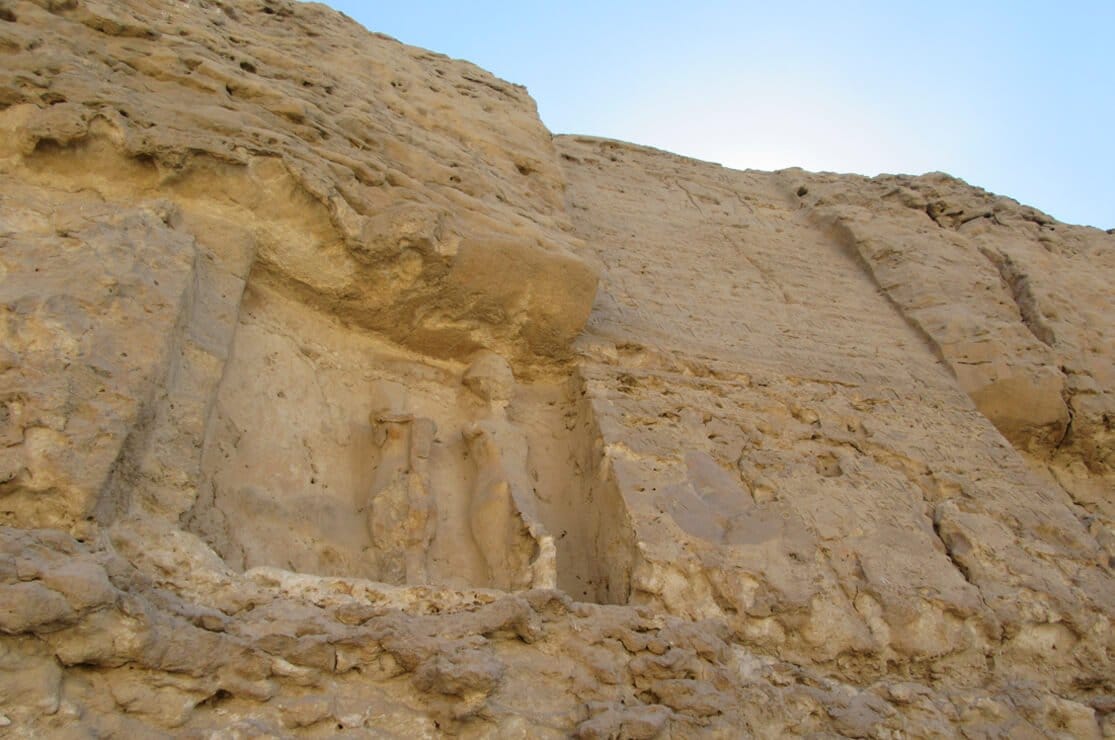
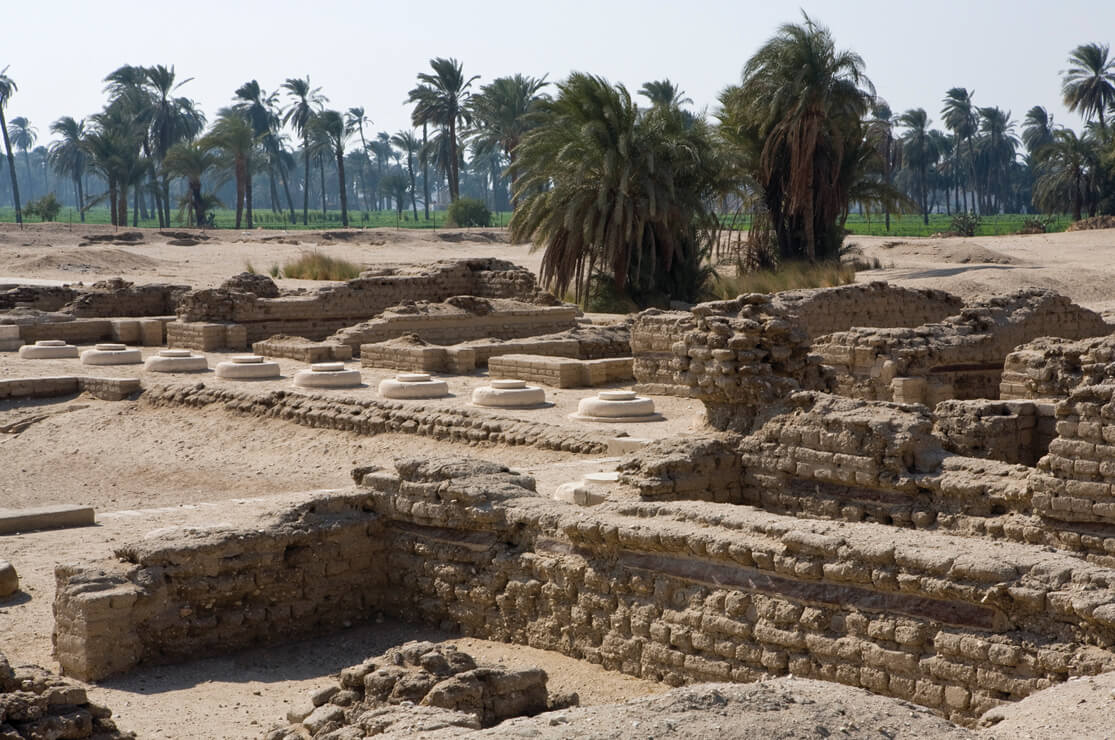
The very heart of our tour is a full day at Amarna – time to appreciate the vast ghostly landscape of the ancient city of the Sun. Our visit takes in dramatic scenes in the tombs of the nation’s highest officials in the northern and southern cemeteries, and, of course, the Royal Wadi with the desolate but atmospheric tomb of Akhenaten and his family. We also explore the ruins of the city itself, including the Great Temple of the Sun, the Lesser Temple with its royal window of appearance, and the Northern Palace of his queens. This is truly one of the ancient world’s most remarkable sights – and an AWT favourite. We have a lunch box from our hotel to picnic at the Amarna Rest House, where we can buy hot and cold drinks and use the facilities. (BLD)
Day 9
- Tuesday 19th January - Antinopolis to Cairo
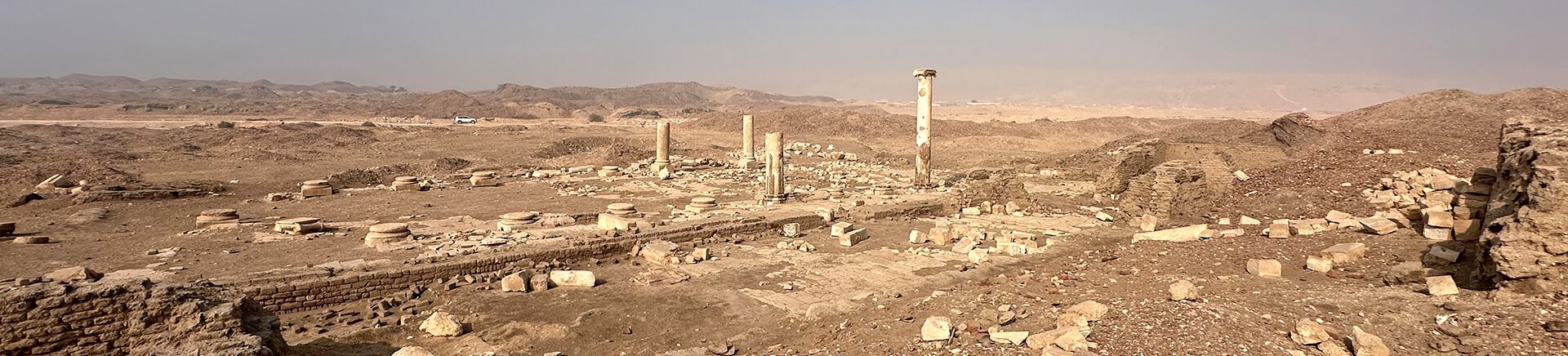
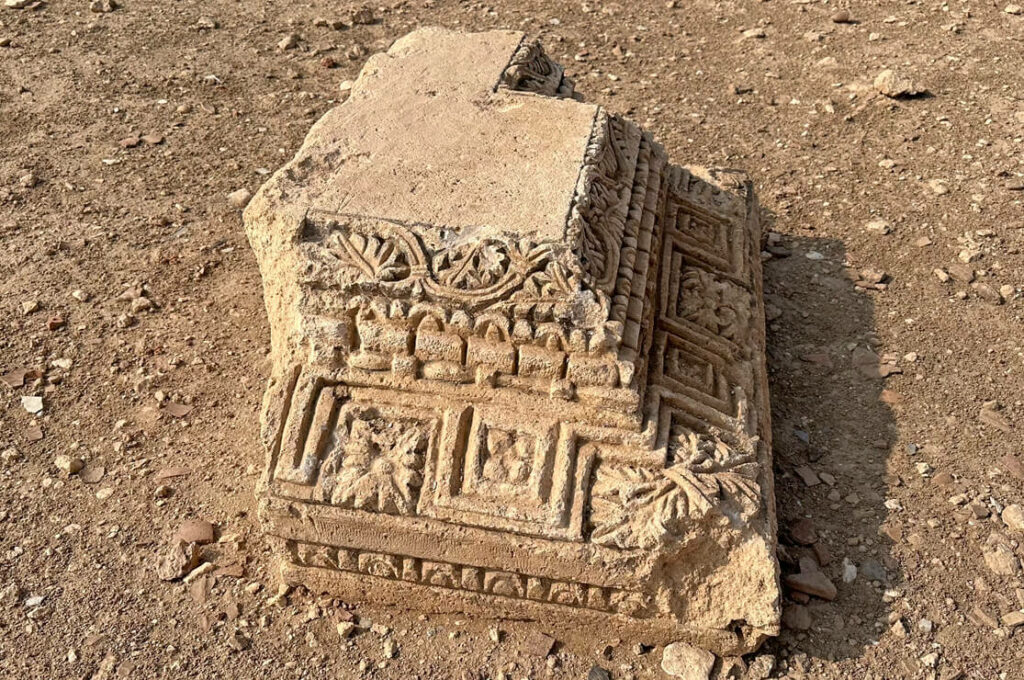
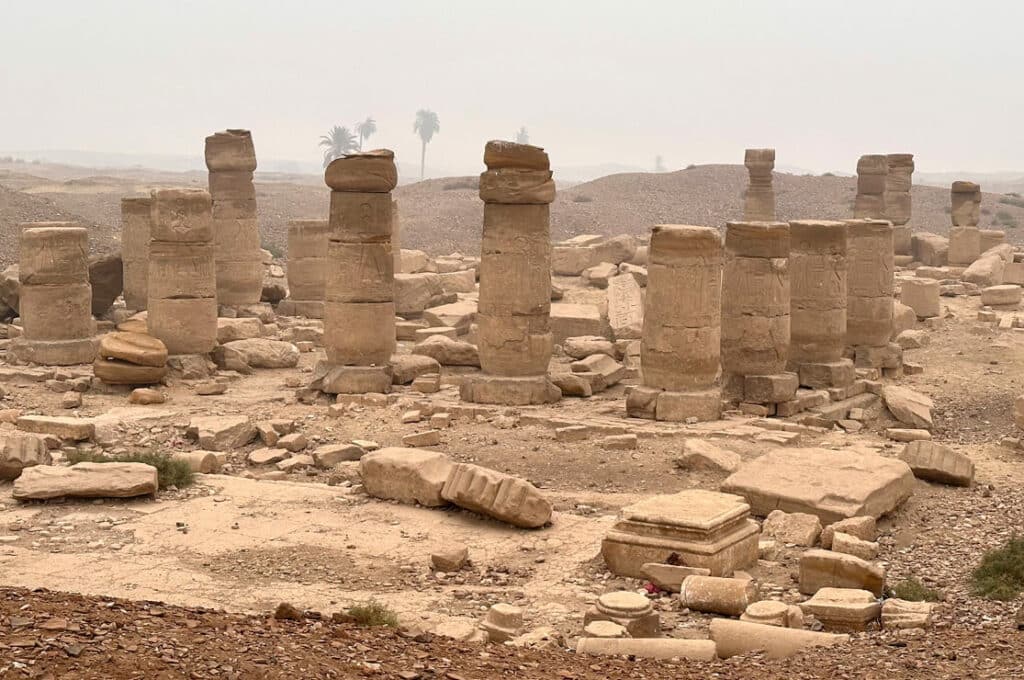
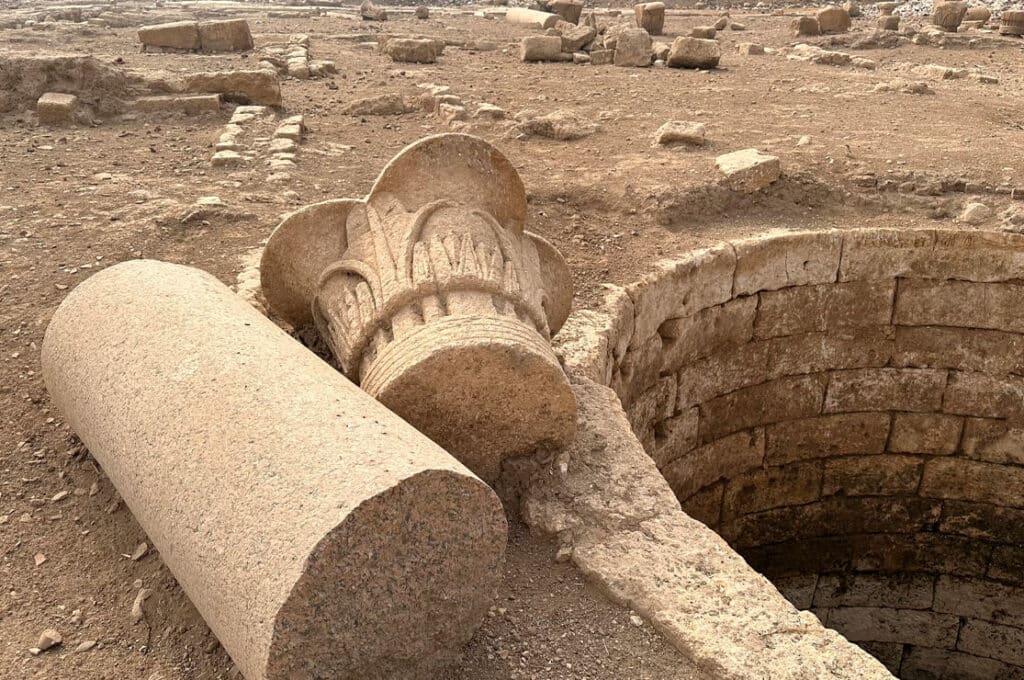
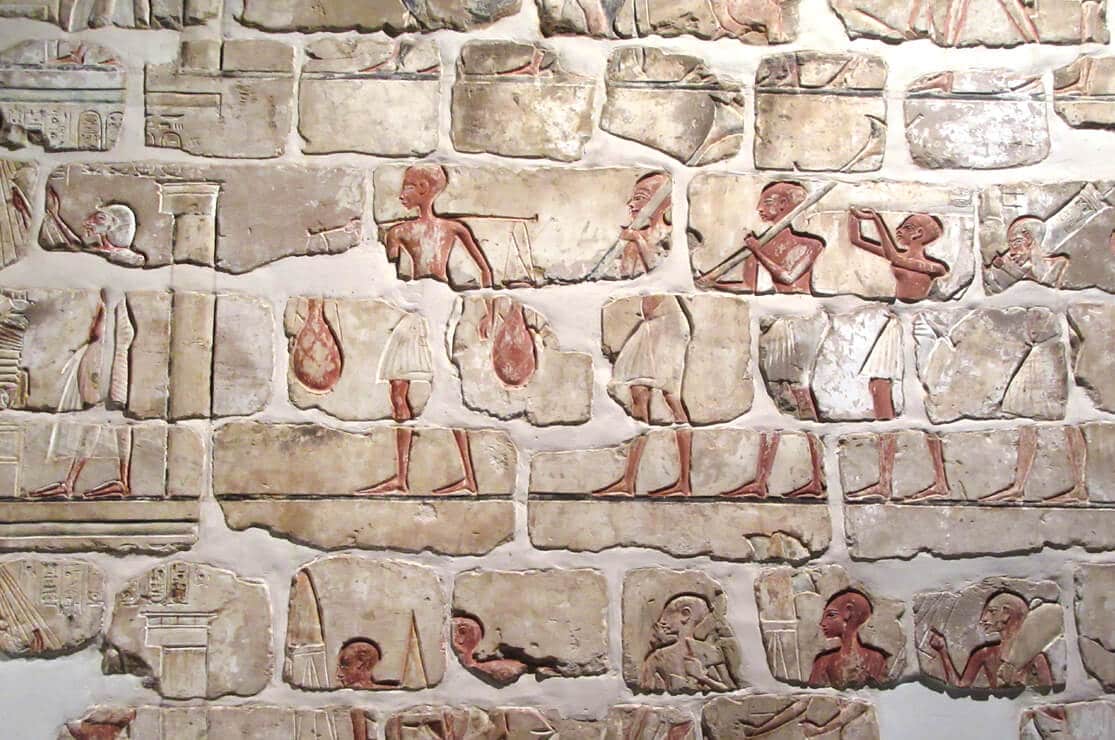
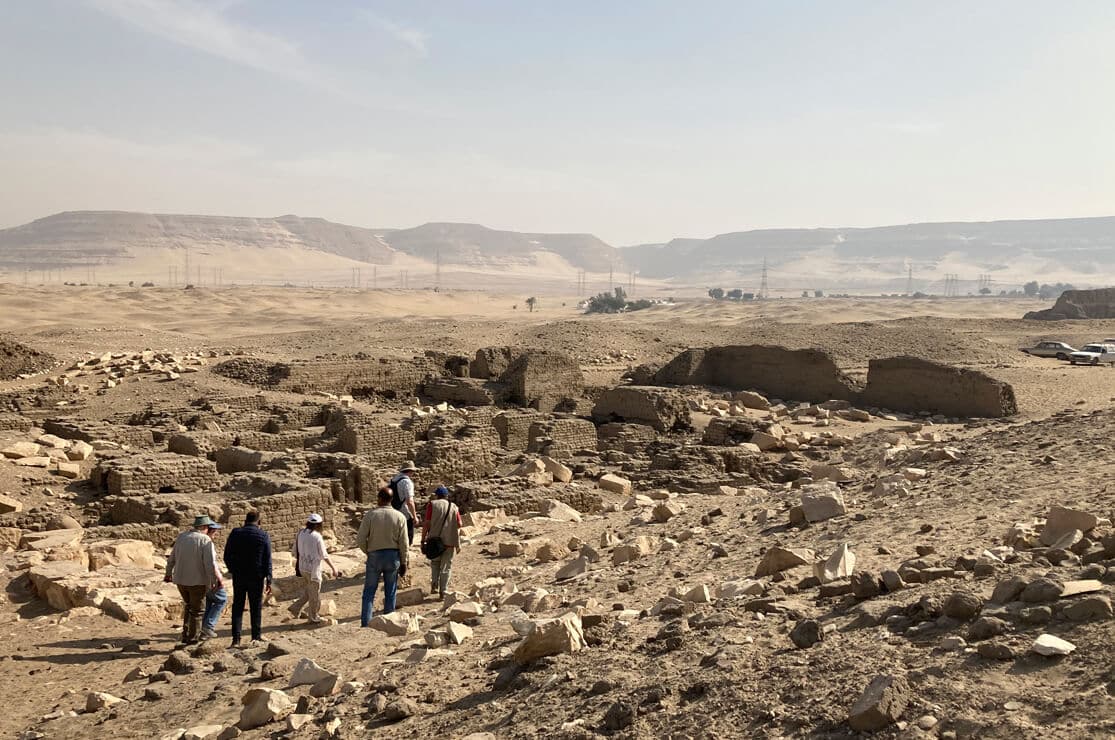
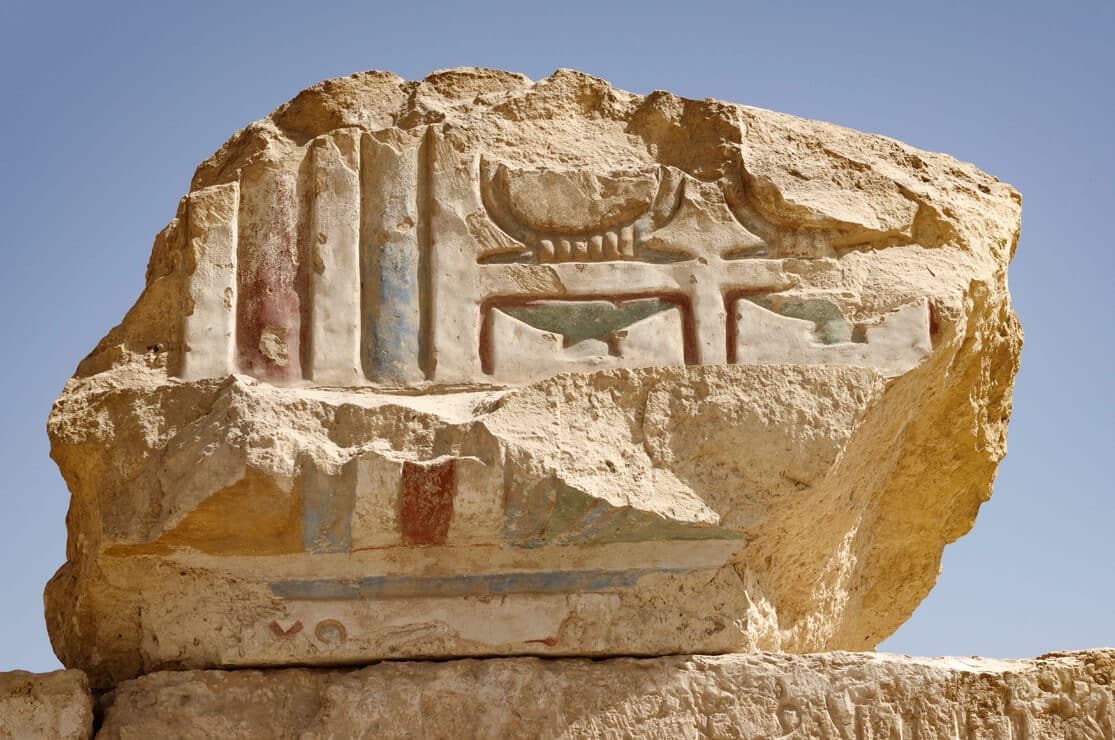
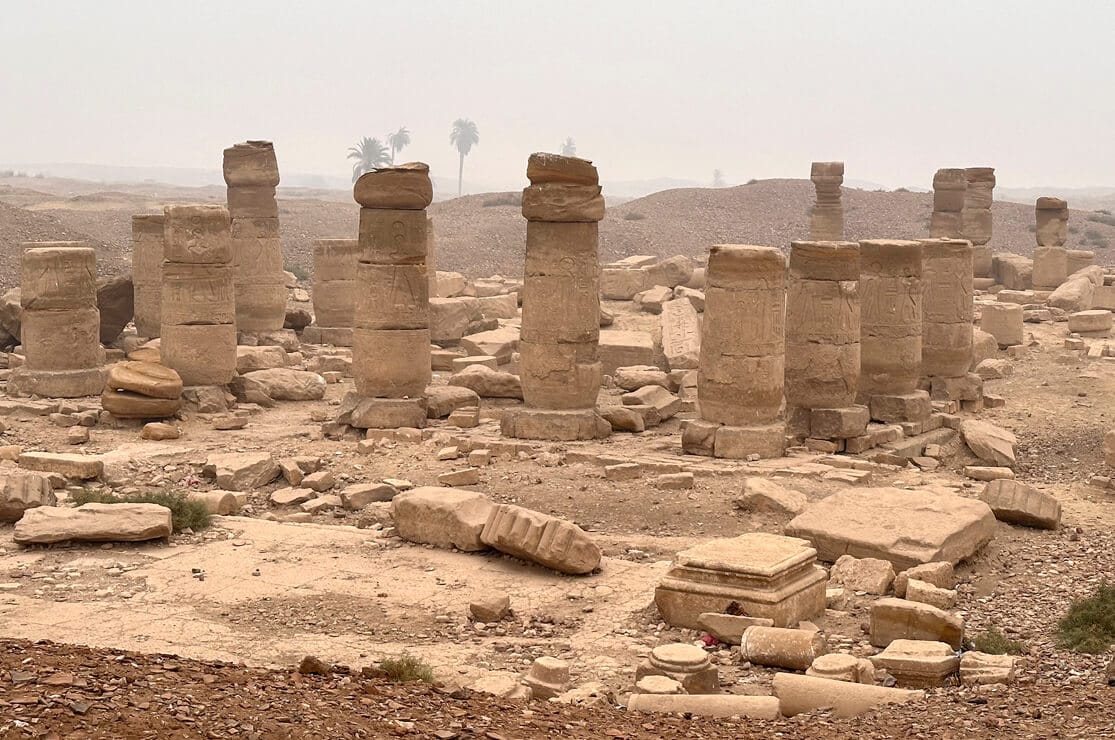
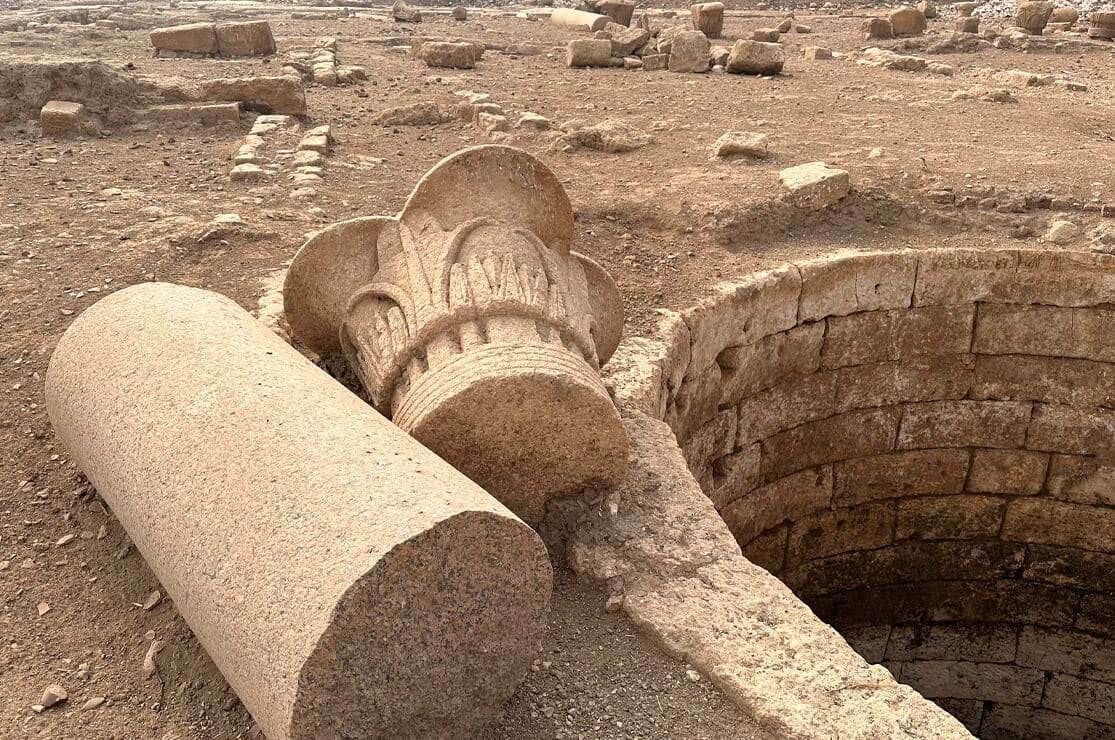
A rare chance today to visit Antinopolis known locally as Sheik Abada. Founded by the Emperor Hadrian to commemorate the loss of his favourite, Antinous. At the time of the Napoleonic survey of sites and monuments c. 1800 it was one of the richest sites along the Nile Valley in terms of standing moments which included a roman theatre, hippodrome and colonnaded central street. It has suffered since that time but substantial remains of Hadrian’s city are still visible. In a temple dating to the time of Ramesses II we find more signs of Akhenaten where long hidden talatat blocks are now visible amongst the pillars and foundations. We travel with lunch boxes again as we have a long drive to Asyut. On arrival in Cairo, we check into our hotel, the Crowne Plaza, West Giza for three nights on room and breakfast basis. (BL)
Day 10
- Wednesday 20th January - The Grand Egyptian Museum
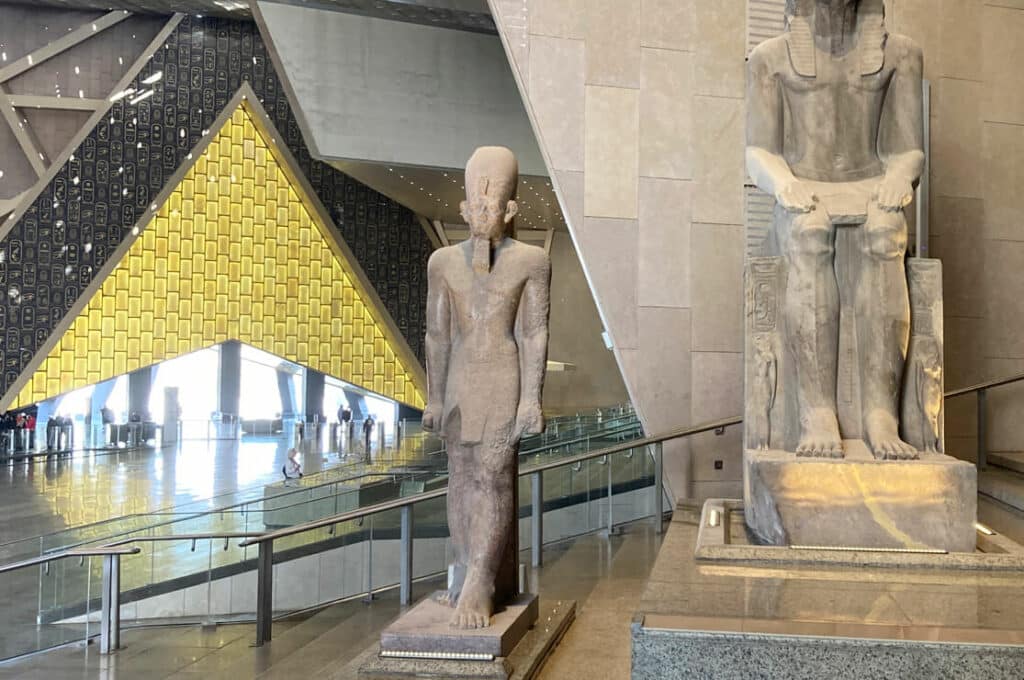
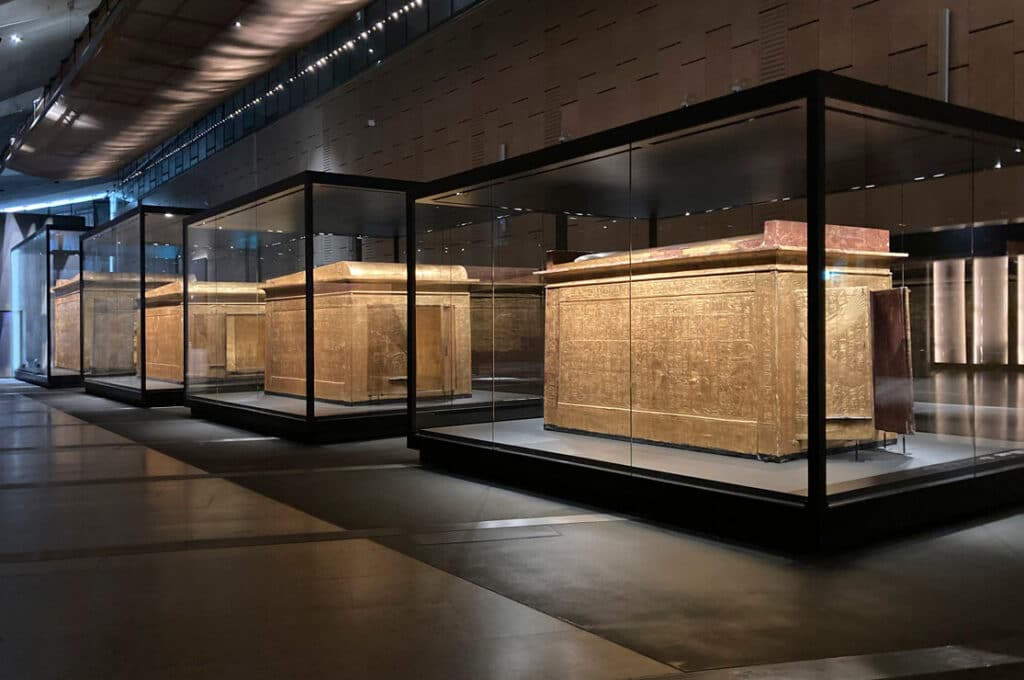
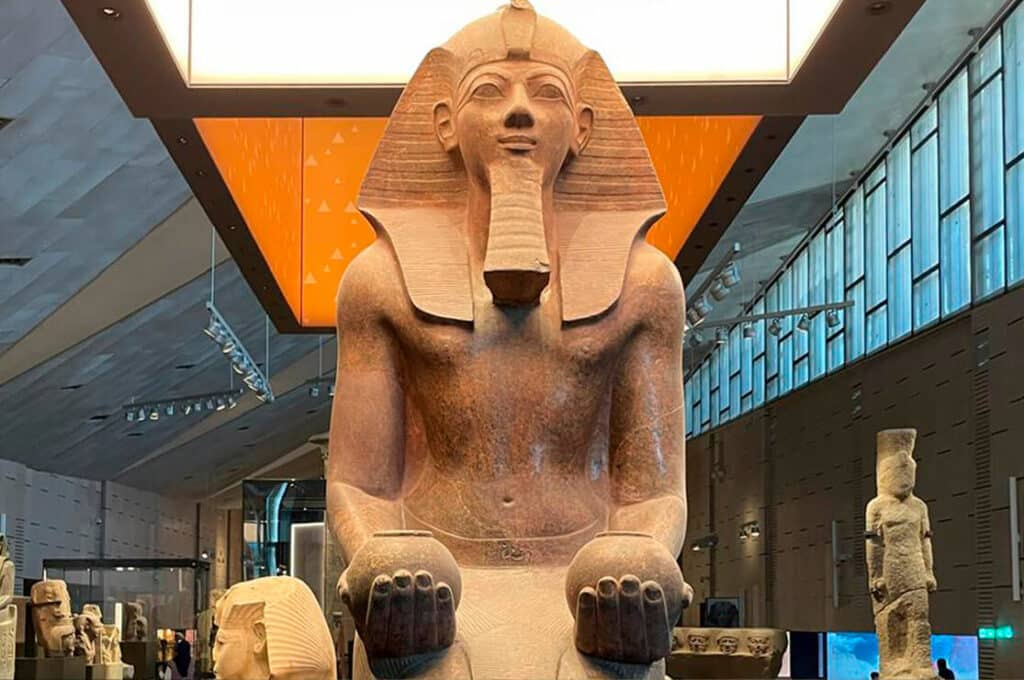
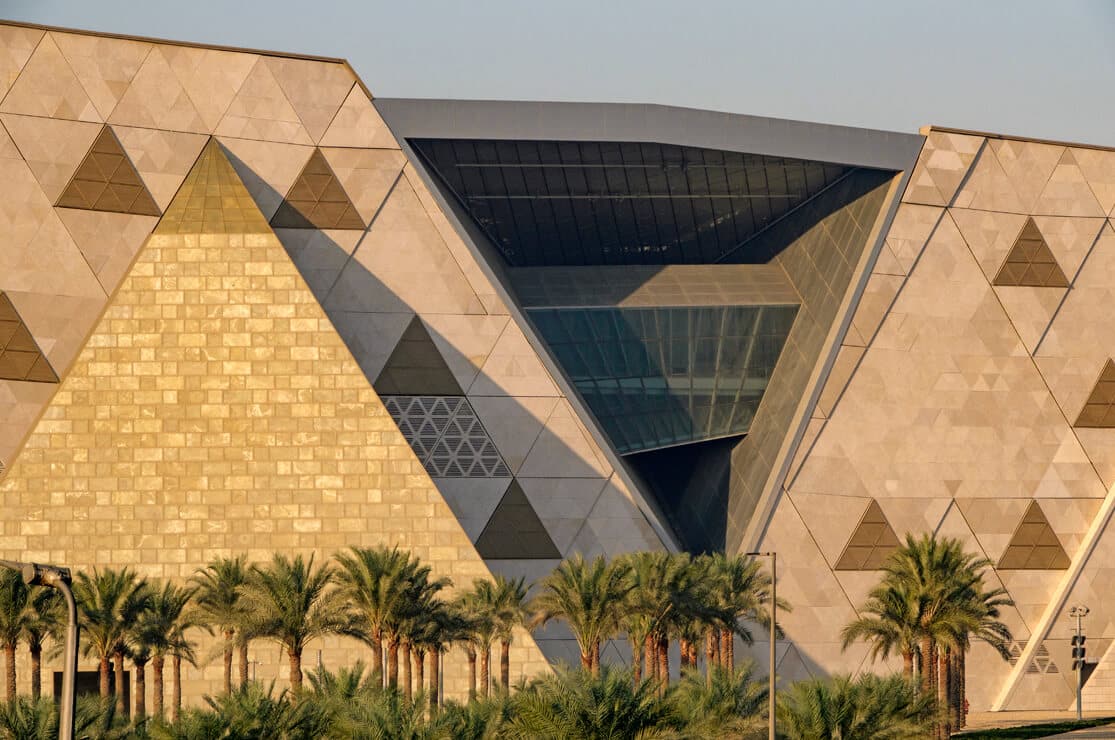
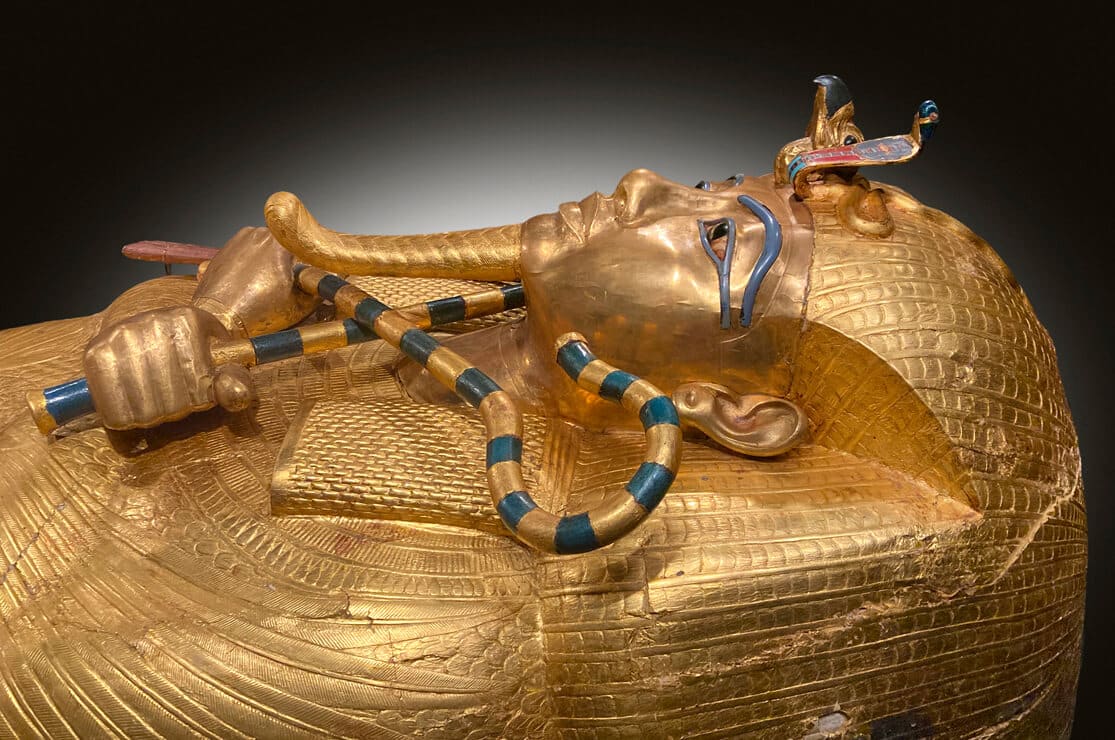
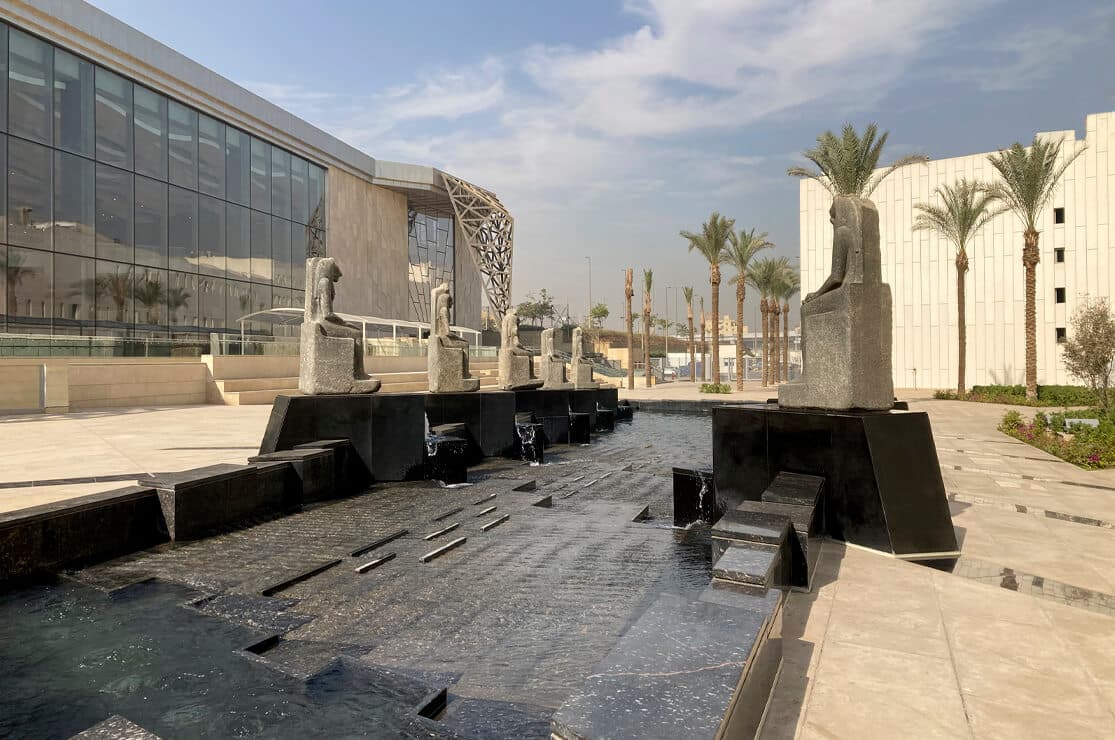
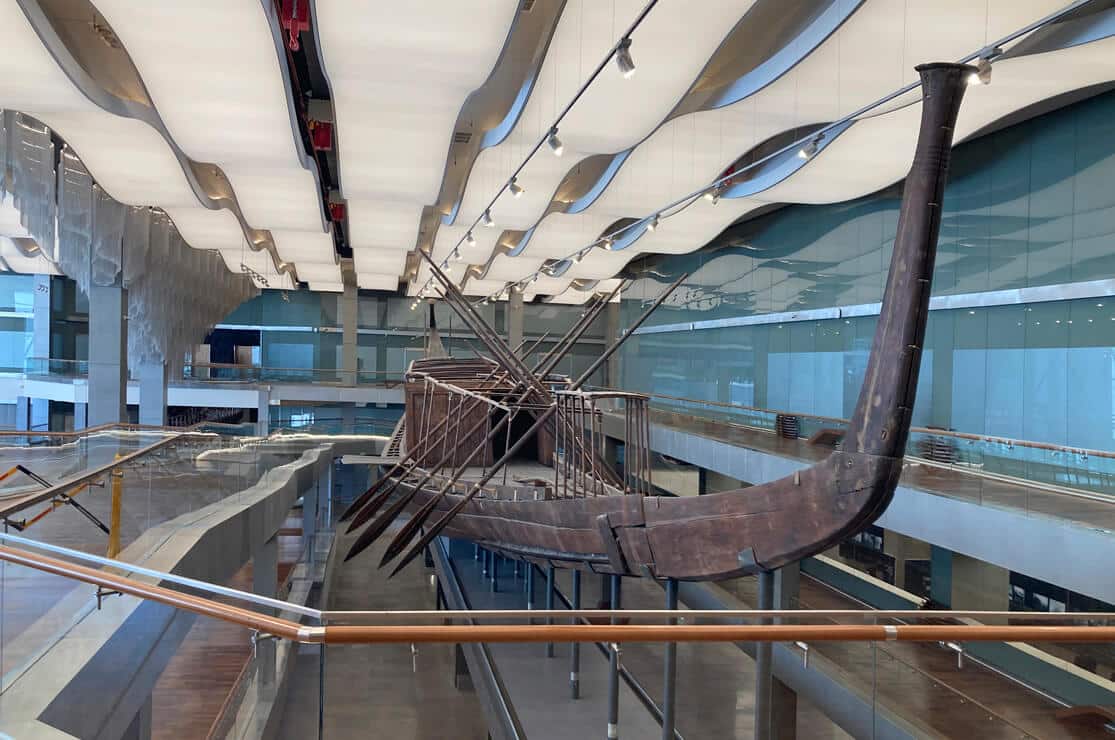
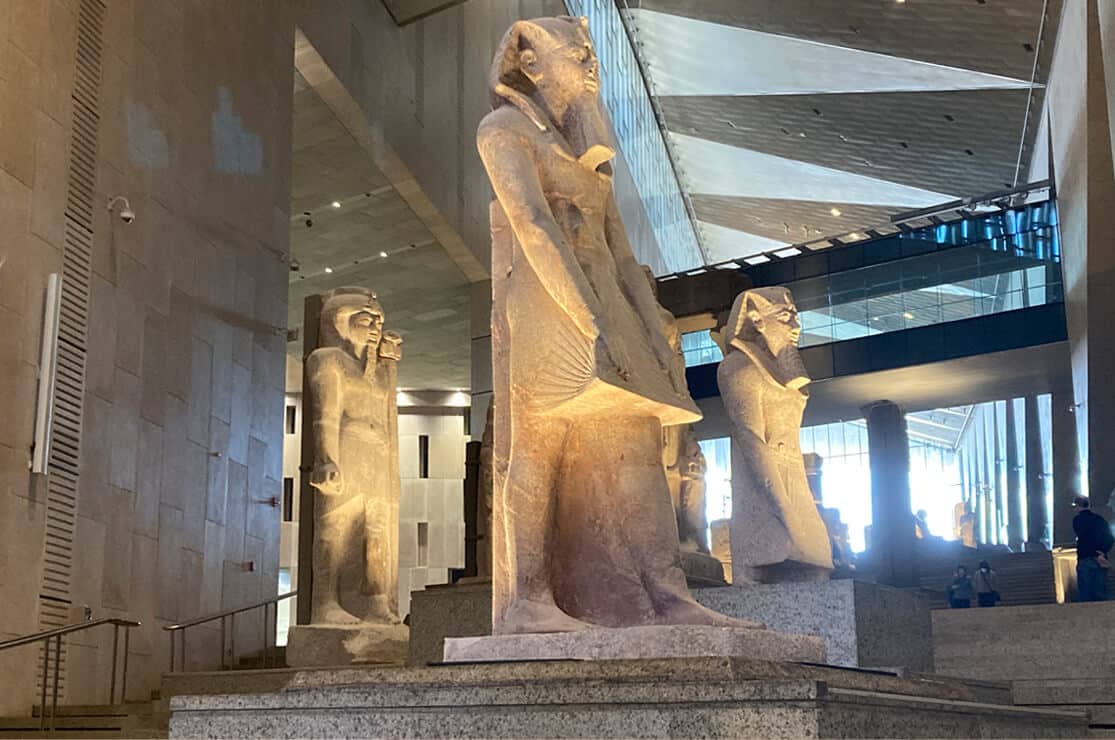
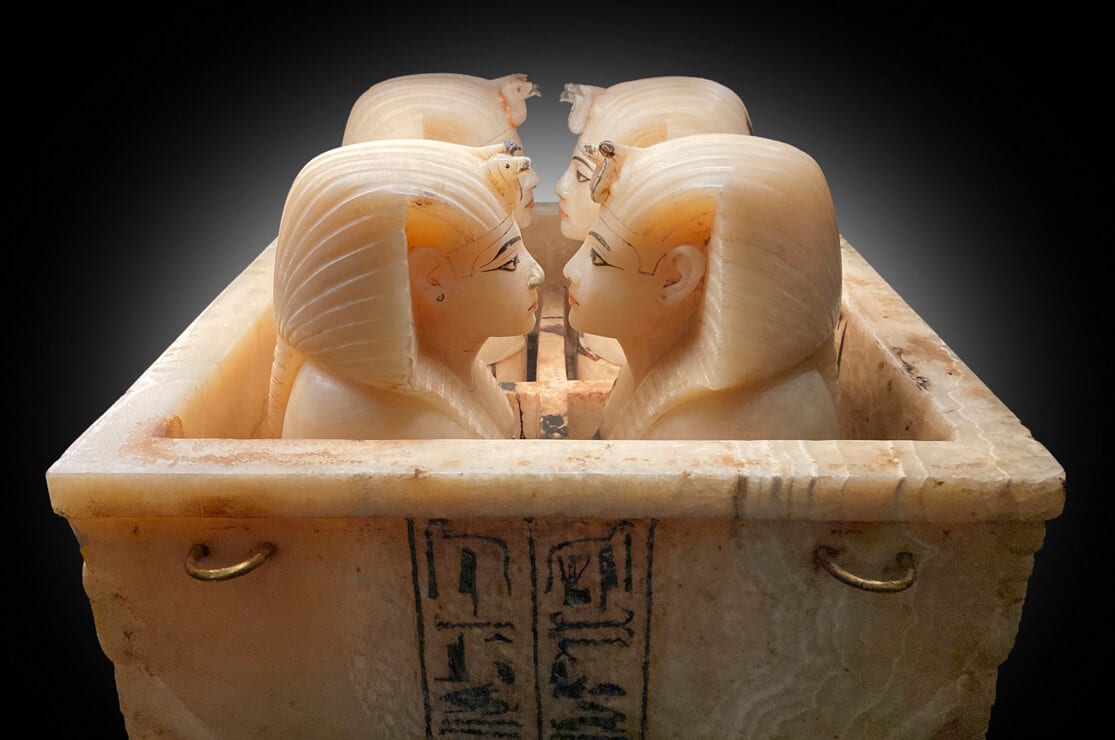
A full day at the Grand Egyptian Museum. Now fully open with plenty of time to view the long-awaited Tutankhamun galleries alongside the grand staircase and the more general galleries at your leisure. Time also to enter the new Khufu Boats Museum. Lunch will be own arrangements in one of the many food outlets in the main reception area. (B)
Day 11
- Thursday 21st January - The Timeless Monuments of Saqqara
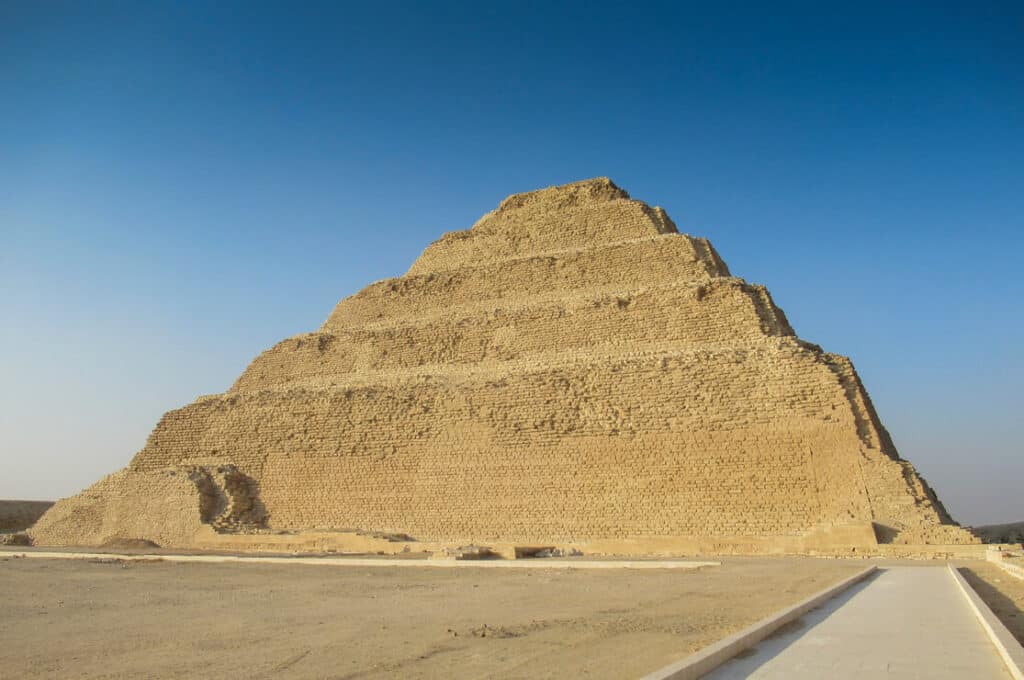
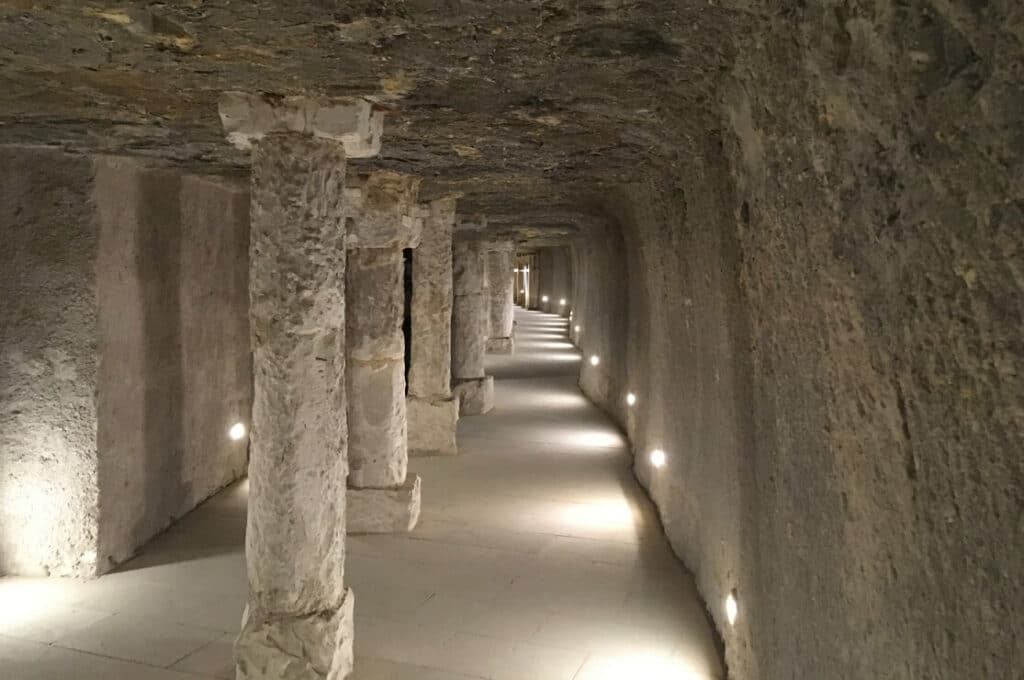
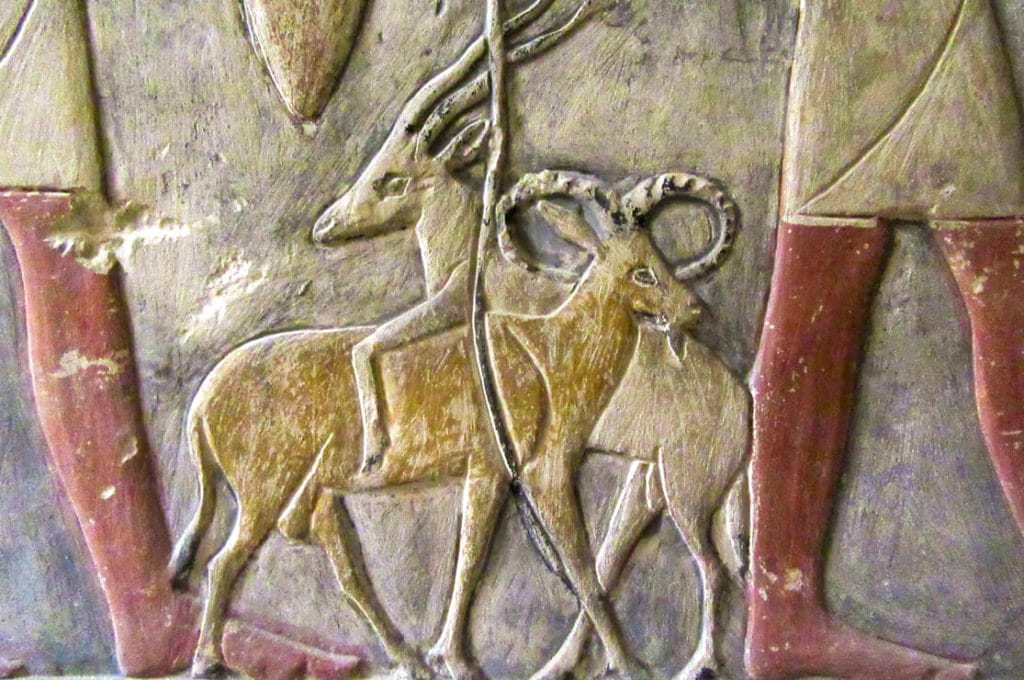
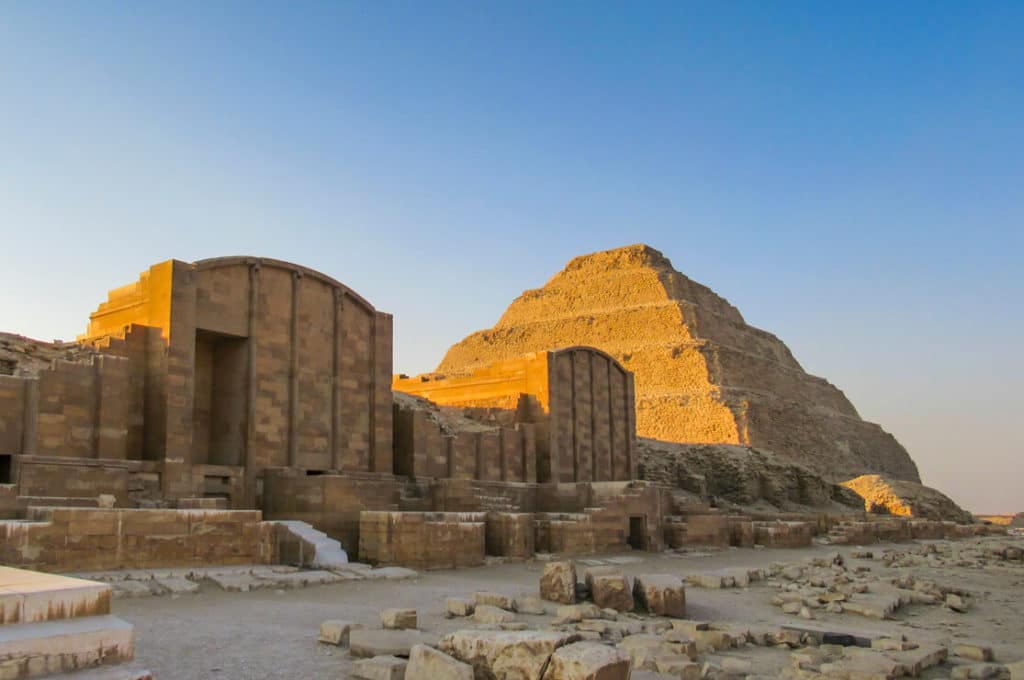
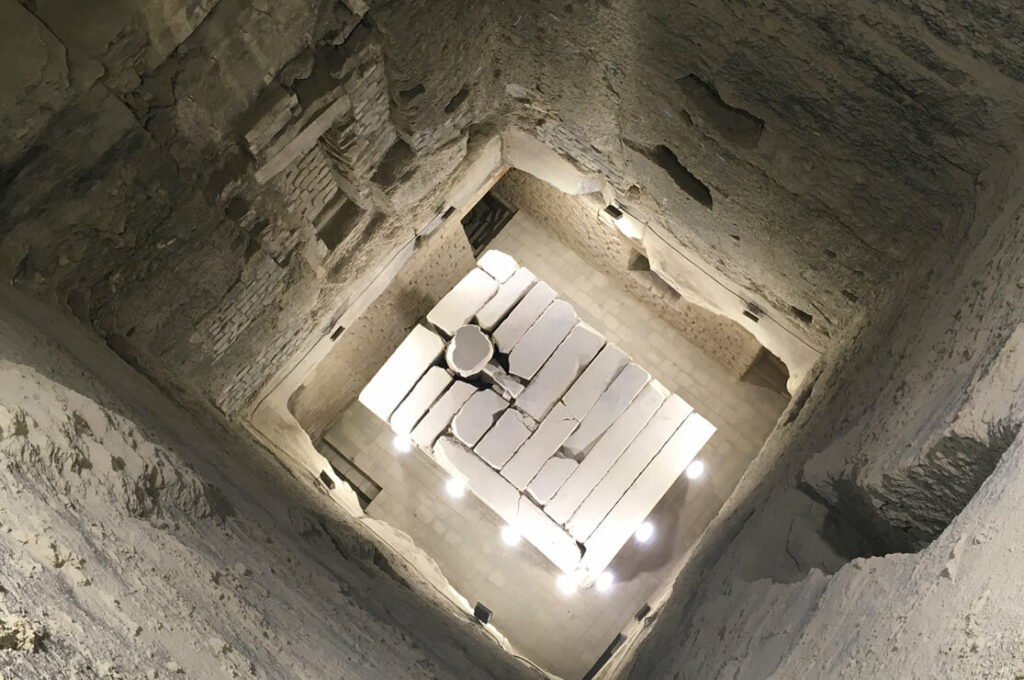
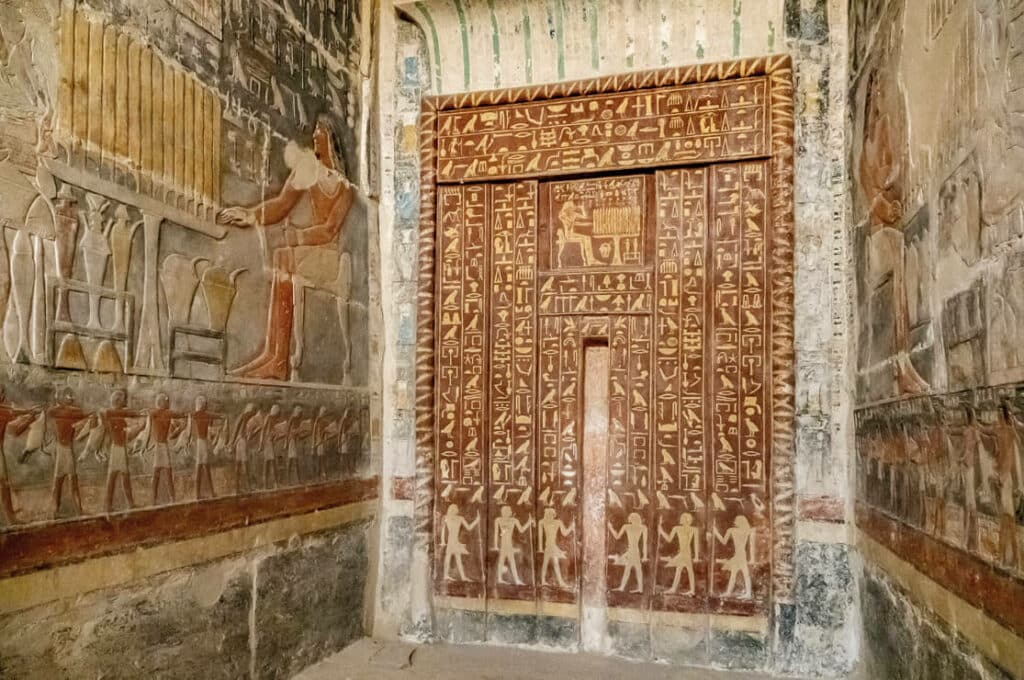
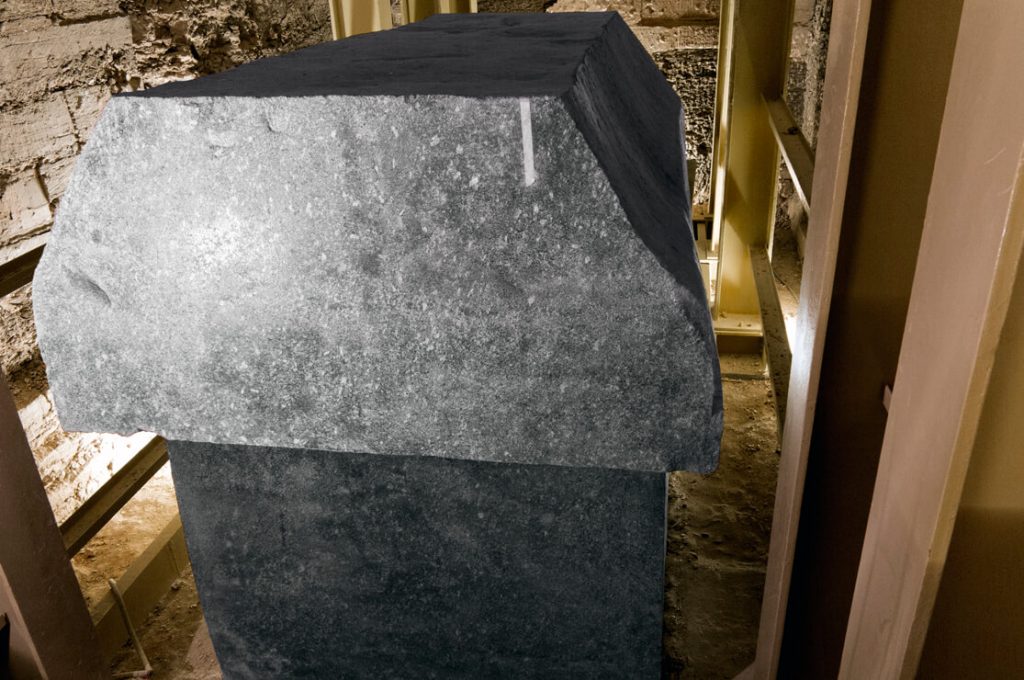
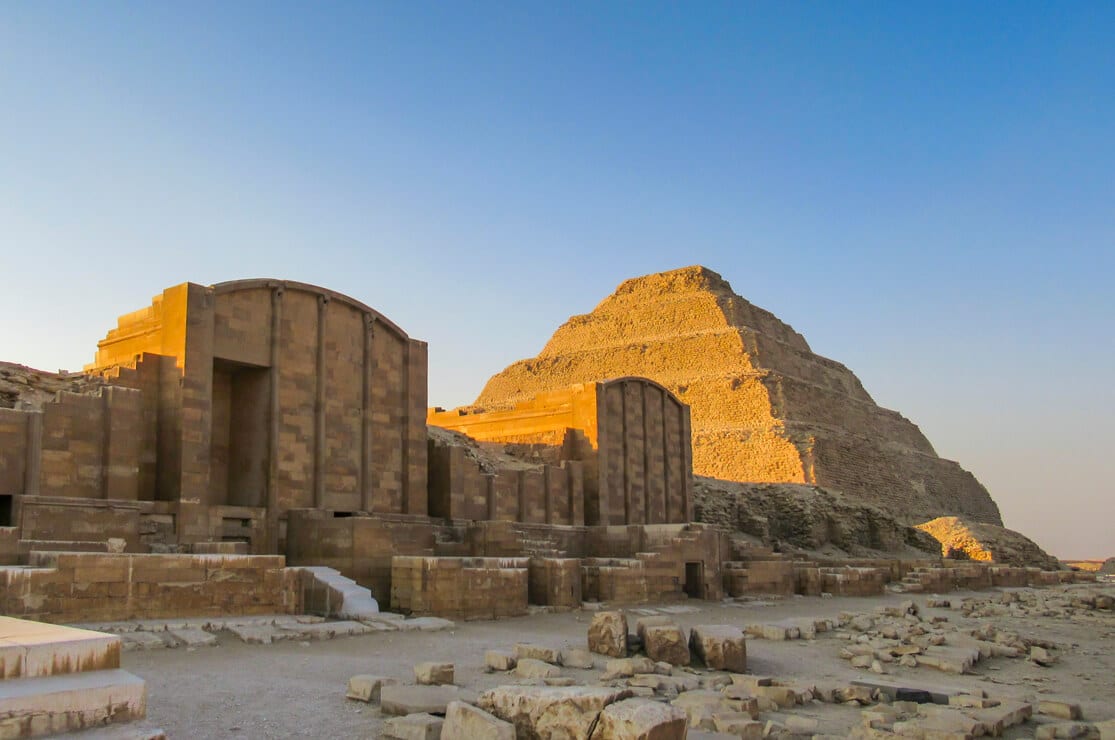
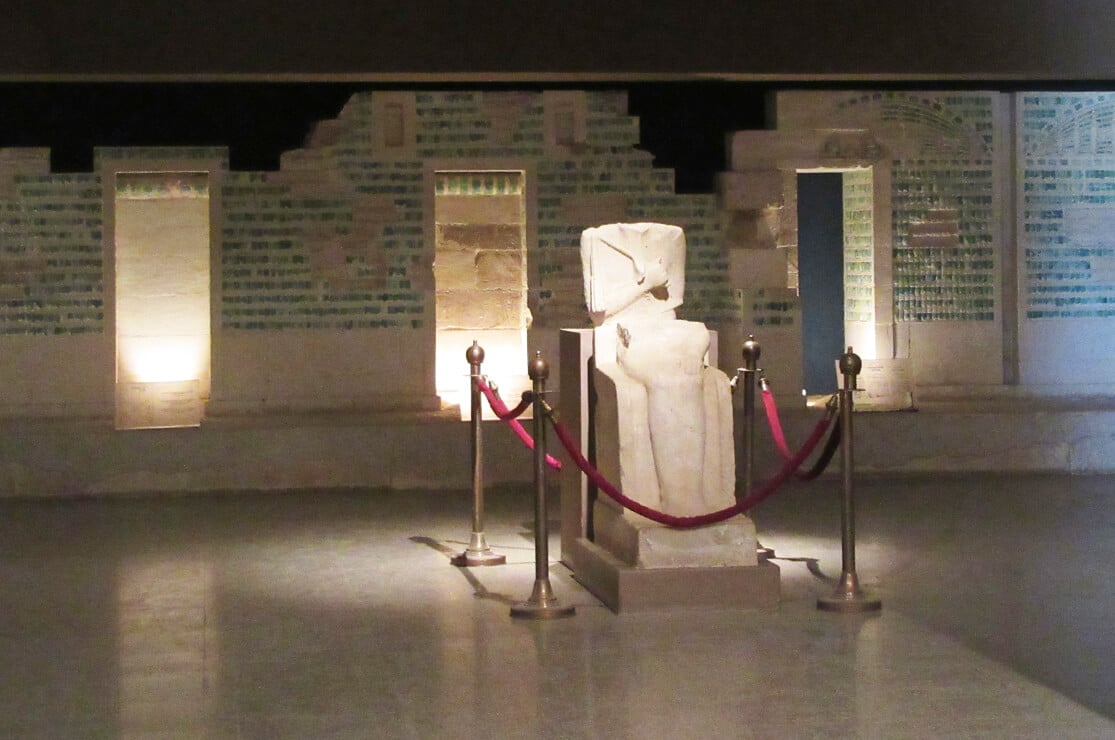
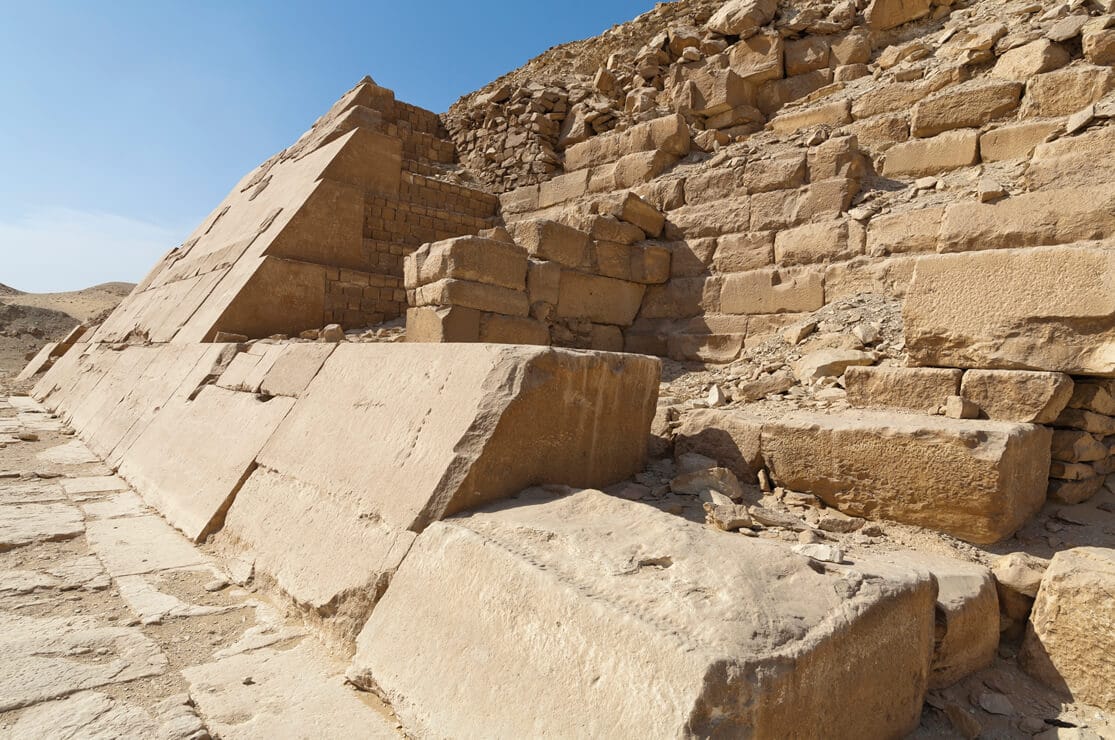
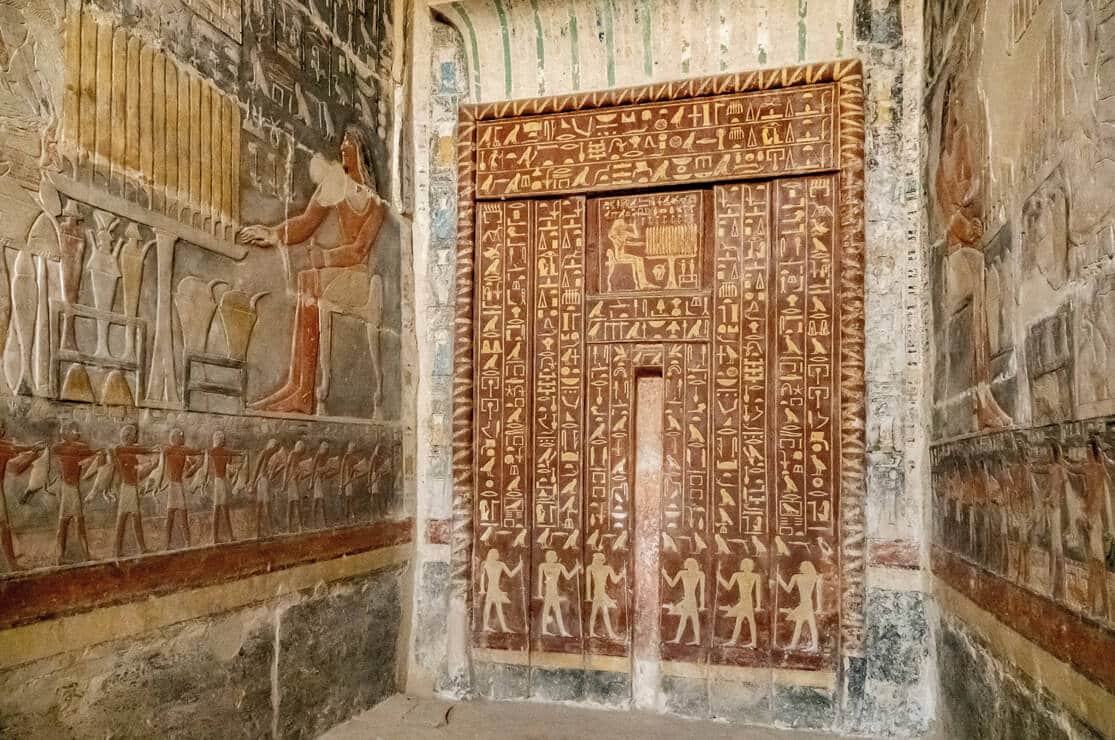
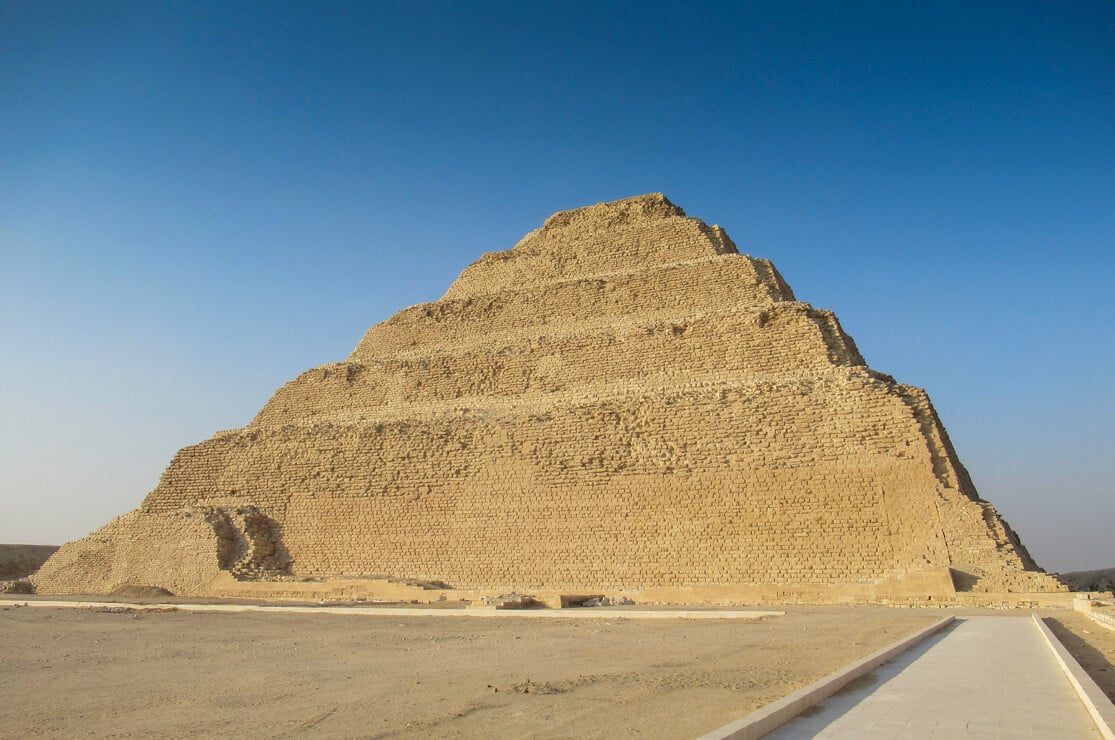
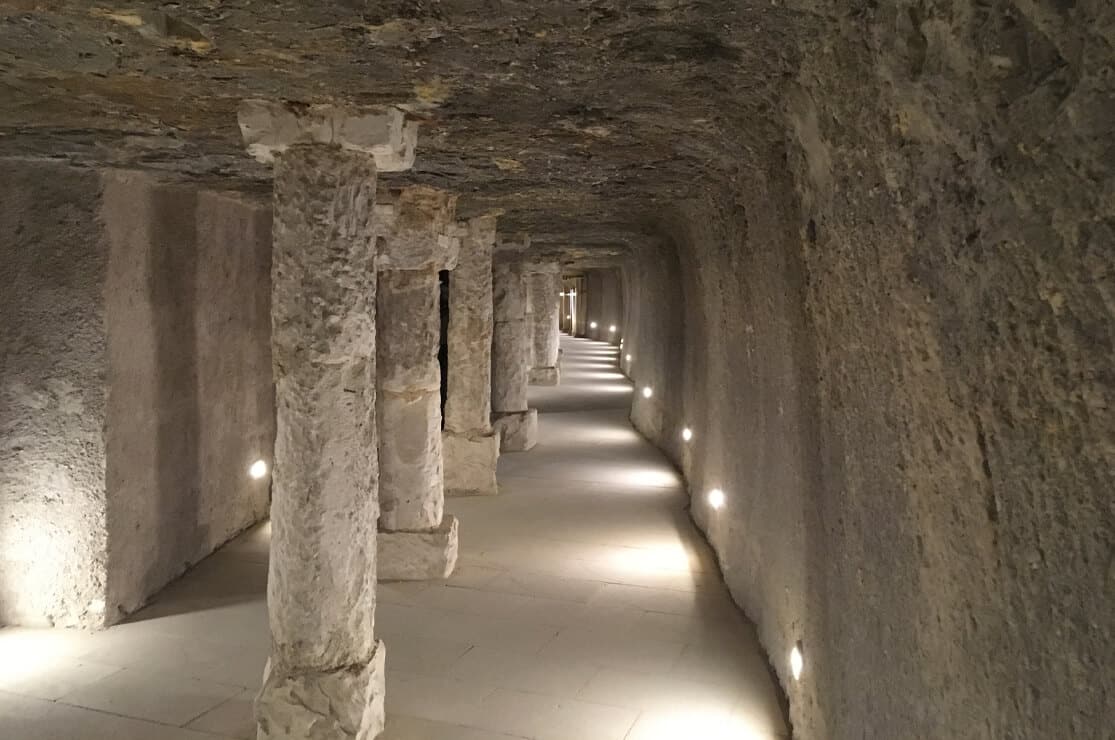
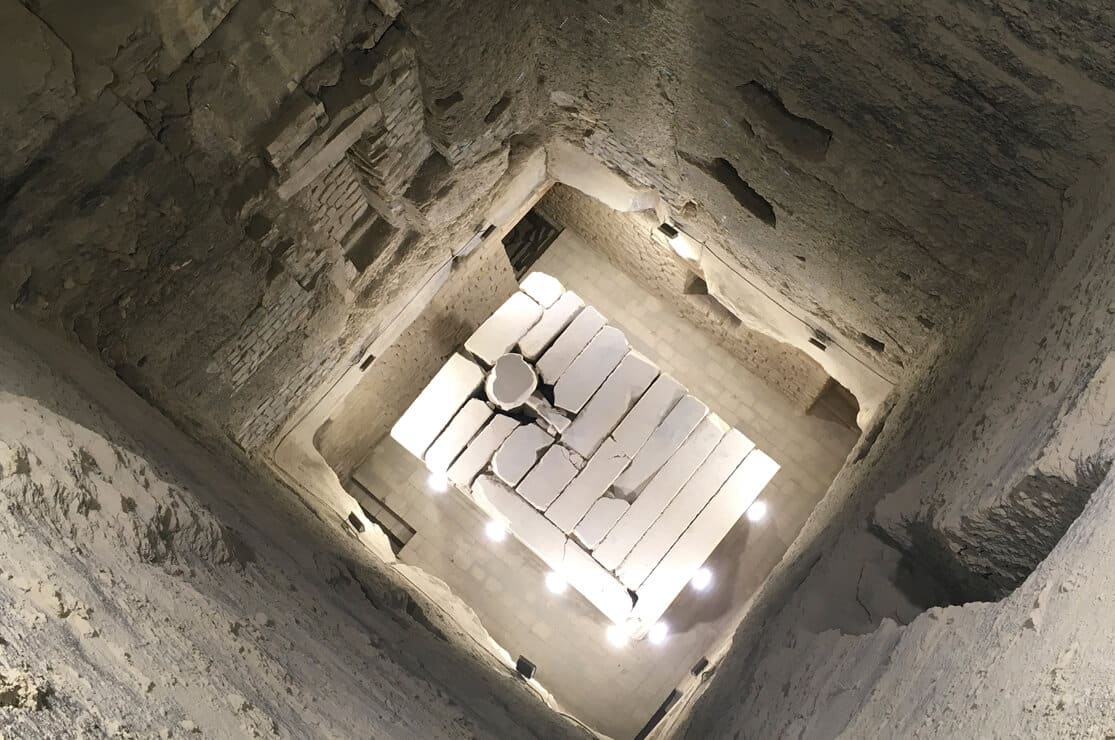
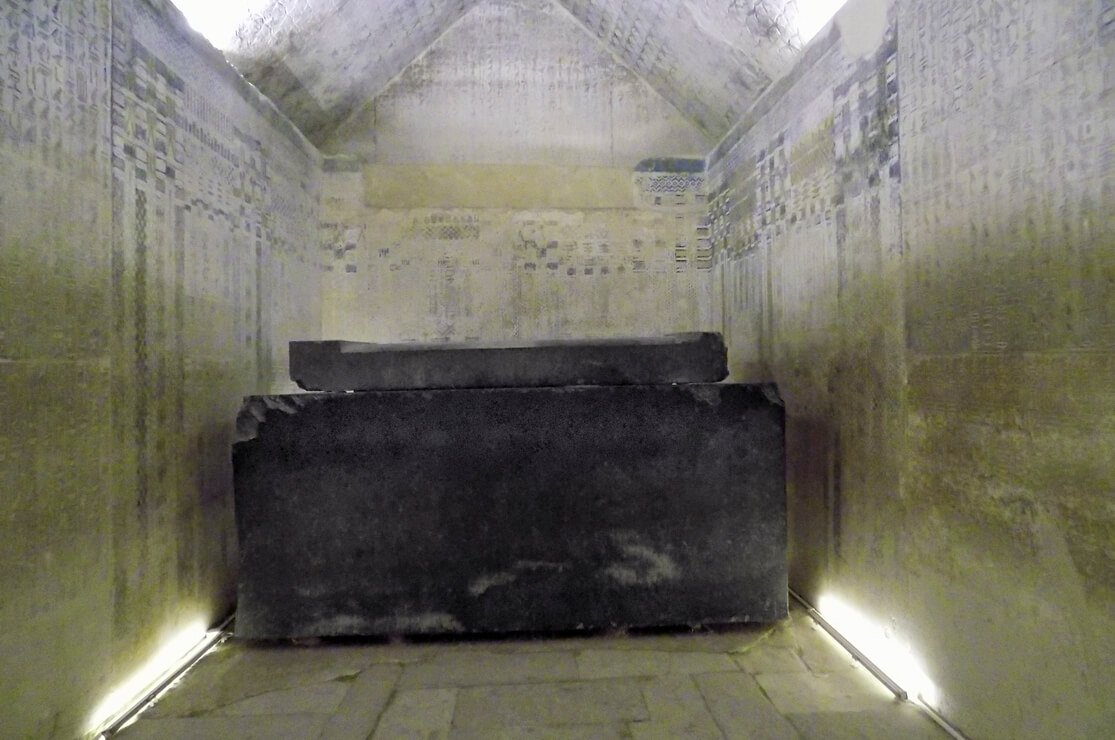
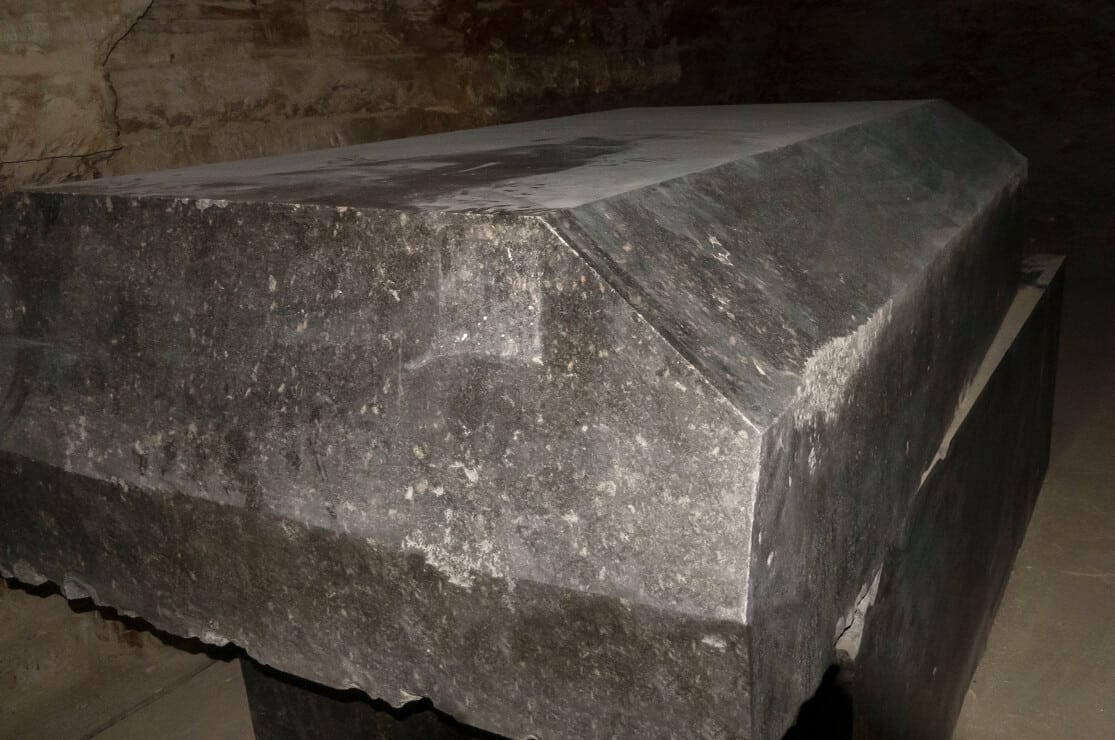
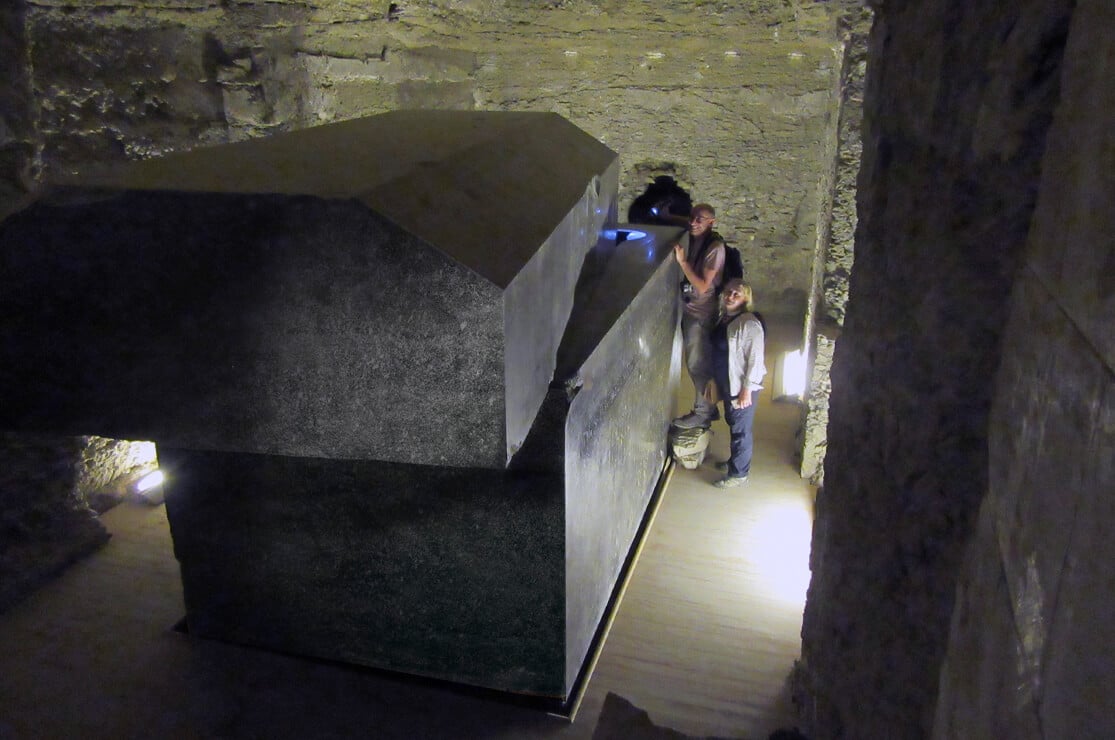
No visit to Egypt is complete without a visit to the monuments of Saqqara, but today we focus on the Amarna Period tombs here along with some better-known highlights. Of course, there is time to go back to the very beginning of history and enter Djoser’s Step Pyramid, the pyramid of Unas with the extraordinary Pyramid Texts, and some wonderful early tombs with astounding decoration. We also visit the Imhotep Museum, and the mind-boggling subterranean burial vaults for the Apis bulls. Add in a delicious lunch at the Sakkara Palm Club, and this will be both a memorable day and a fitting end to a wonderful tour. (BL)
Day 12
- Friday 22nd January 2027 - Homeward Bound
This morning we transfer to Cairo Airport and our return flight home, arriving in the early afternoon. (B)
Dr Bill Manley is a best-selling author and expert on Ancient Egyptian texts, currently working with the Wadi C2 Archaeological Project in Luxor. Bill’s books on hieroglyphs are known and used the world over; his book Egyptian Art (2017) is part of Thames & Hudson’s prestigious World of Art series; and his account of The Oldest Book in the World(2023) garnered a 5-star review from The Wall Street Journal. Bill’s next book, published by University College London in 2025, is about the old Coptic language.
B = Breakfast BL = Breakfast and Lunch BD = Breakfast and Dinner BLD = Breakfast Lunch and Dinner